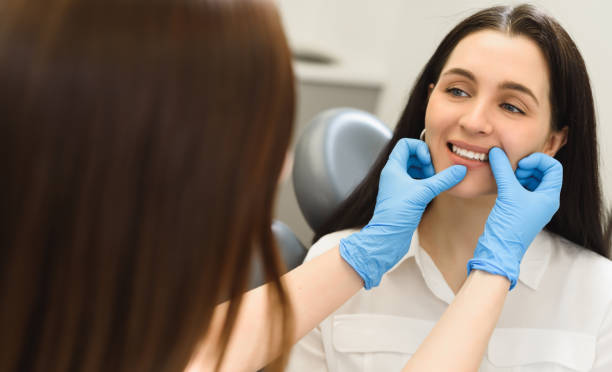

Your smile may look fine after cosmetic work, yet small problems can grow fast between visits. Preventive dentistry fills that gap. It guards your teeth and gums when you are not in the chair. Regular cleanings, checkups, and simple habits at home help stop decay, gum disease, and damage that can ruin cosmetic results. You invest money and time in whitening, veneers, or bonding. You deserve to keep that smile strong. A dentist in Roseville, MI can watch for early warning signs that you cannot see in the mirror. That includes tiny cracks, weak spots, and hidden plaque. Early care means shorter visits, less pain, and lower cost. This blog explains how routine exams, cleanings, and home care work together to protect your mouth between cosmetic visits. You will see clear steps you can start today to keep your smile steady and safe.
Why cosmetic work needs steady protection
Cosmetic care improves how your teeth look. It does not stop decay or infection. Veneers, bonding, and whitening all sit on top of living teeth and gums. Those teeth still face sugar, acid, and daily wear. Gums still react to plaque and smoke. Without steady care, new spots of decay can grow under or around cosmetic work and weaken it.
You and your family may feel proud after cosmetic work. That pride can hide quiet damage. Small cavities, gum bleed, and dry mouth can move fast. Regular preventive visits act like a guard. They keep cosmetic work stable and your mouth calm.
Key parts of preventive dentistry
Preventive dentistry is simple. It uses three main steps that work together.
- Routine cleanings and exams
- Daily home care
- Smart choices about food, drink, and habits
Each step supports cosmetic work. Each step lowers the chance of sudden problems that need urgent care.
Routine cleanings and exams
During a cleaning, the dental team removes plaque and tartar that brushing misses. That buildup often hides along the gumline and between teeth. It can stain whitening, weaken bonding, and inflame gums around veneers.
During an exam, the dentist checks for early signs of trouble. That includes tiny chips in bonding, loose edges on veneers, and early gum disease. The dentist may use X-rays to check for decay under fillings or crowns. Early spots are easier to fix and cost less.
The Centers for Disease Control and Prevention explains that untreated gum disease can cause tooth loss. That loss wastes cosmetic work and harms chewing and speech. Routine exams help you avoid that outcome.
Home care that protects cosmetic work
You spend a few hours a year in the dental chair. You spend the rest of the year at home, at school, or at work. Home care makes the biggest difference. It keeps cosmetic work clean and keeps gums steady.
Use three daily steps.
- Brush twice each day with a soft brush and fluoride toothpaste
- Clean between teeth once each day with floss or an interdental tool
- Rinse with water after sweet snacks or drinks
Children and older adults may need support. Younger kids need help with brushing until they can tie their shoes. Older adults may need tools with larger handles. That support protects cosmetic work for the whole family.
Food, drink, and habit choices
What you eat and drink affects cosmetic work and natural teeth. Sweet drinks and snacks feed bacteria. Acidic drinks soften enamel. Hard foods can chip bonding and veneers.
Try three simple shifts.
- Choose water over soda or sports drinks
- Limit sticky sweets like gummies and caramels
- Cut back on smoking and vaping
Smoking stains whitening and slows healing. Vaping dries the mouth. Dry mouth raises the risk of decay and gum disease. A dentist can suggest products that ease dry mouth and protect teeth.
How preventive visits compare with emergency care
Preventive care feels quiet. Emergency care feels sudden and harsh. The table below shows how they compare for time, cost, and stress.
| Type of care | Typical reason | Time in chair | Effect on cosmetic work | Stress level |
|---|---|---|---|---|
| Preventive visit | Cleaning and routine exam | About 45 to 60 minutes | Protects and maintains | Low |
| Small filling | Early cavity found at checkup | About 30 to 45 minutes | Minor impact, often preserves work | Moderate |
| Root canal | Deep decay or infection | About 60 to 90 minutes | May require new crown or bonding | High |
| Tooth removal | Severe decay or gum disease | About 45 to 60 minutes | Cosmetic work on that tooth lost | High |
You gain more control with preventive visits. You give up control when you wait for pain.
Special steps for common cosmetic treatments
Each type of cosmetic work needs a few extra steps.
For whitening.
- Use a soft brush and gentle pressure
- Limit dark drinks like coffee and tea
- Rinse with water after colored foods
For veneers.
- Avoid biting on ice or pens
- Use a night guard if you clench or grind
- See the dentist if edges feel rough or loose
For bonding.
- Do not use teeth to open packages
- Report chips or stains early
- Keep regular polishing visits
Family routines that keep smiles steady
Families do best when they share routines. You can set a short nightly plan that fits everyone.
- Brush together after the last snack or drink
- Set a two-minute timer for brushing
- Lay out brushes, floss, and toothpaste in one place
Teenagers with whitening or clear aligners need reminders. They should clean trays or aligners as directed and avoid smoking. They also should keep regular checkups, even when teeth look straight and bright.
How often to see the dentist
Most people need cleanings and exams every six months. Some people with a history of gum disease, diabetes, or heavy plaque need visits every three to four months. The dentist will set a schedule based on your mouth, not just your age.
The National Institute of Dental and Craniofacial Research stresses that tooth decay is common and preventable. Regular visits and steady home care cut the risk for children and adults.
Take the next small step
You already took a big step when you chose cosmetic work. Now you can protect that choice. Schedule your next cleaning and exam before you leave the office. Place reminders at home for brushing and flossing. Share the plan with your family.
Small actions, repeated often, keep your mouth strong between cosmetic visits. They protect your comfort, your budget, and your peace of mind.