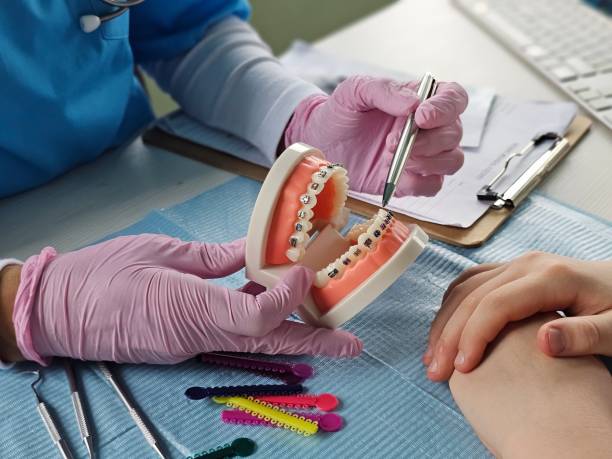

Your teeth do more than help you smile. They affect how you eat, speak, and feel about yourself. General dentistry protects your teeth from decay, infection, and pain. Orthodontic care guides your teeth and jaws into better alignment. Together, they form one clear plan for your mouth. A South San Jose orthodontist and your general dentist often share records, x rays, and treatment notes. They watch how your bite, gums, and jaw joints respond over time. Then they adjust care before small problems grow into large ones. You might see your dentist for cleanings while you wear braces or clear aligners. You might also need fillings or gum care before you start orthodontic treatment. This close teamwork helps you avoid extra visits, surprise costs, and preventable damage. It also builds a strong, steady path toward a healthier mouth and a more confident smile.
What General Dentistry Covers
General dentistry focuses on everyday needs. You see this provider for checkups, cleanings, and repair work. These visits keep your mouth stable and safe for orthodontic treatment.
General dentists usually handle three key tasks.
- Prevention through cleanings, fluoride, and sealants
- Detection of cavities, gum disease, and oral cancer
- Repair of teeth with fillings, crowns, or extractions
Regular checkups also help track your child’s jaw growth. Early notes about crowding or bite problems guide the timing of orthodontic care. The National Institute of Dental and Craniofacial Research explains that tooth decay is common but avoidable with steady care. That same steady care prepares the mouth for braces or aligners.
What Orthodontic Services Add
Orthodontic services focus on how teeth fit and how the jaws meet. Braces, clear aligners, and special appliances move teeth into safer positions.
Orthodontists usually aim for three results.
- Better bite so you chew and speak with less strain
- Straighter teeth that are easier to clean
- Improved jaw balance that can ease jaw joint stress
This care does more than change looks. According to the Centers for Disease Control and Prevention, poor alignment can make cleaning harder. That can raise the risk of decay and gum disease. Orthodontic treatment and daily brushing work together to cut that risk.
How Your Dentist and Orthodontist Work Together
Your dentist and orthodontist often share one roadmap. Each visit supports the other. This teamwork reduces pain, repetitive work, and long treatment times.
They usually coordinate in three stages.
1. Before Orthodontic Treatment
- Your dentist checks for cavities and gum disease.
- Needed fillings or extractions come first.
- Cleaning removes plaque and hardened buildup.
Healthy gums and teeth respond better to braces or aligners. Untreated decay under brackets can spread. Early repair stops that spiral.
2. During Orthodontic Treatment
- You still need cleanings, usually every six months.
- Your dentist teaches you how to brush and floss around wires.
- Your orthodontist adjusts appliances and tracks tooth movement.
If new problems appear, such as white spots or sore gums, your dentist and orthodontist will adjust plans. They may pause certain tooth movements. They may add fluoride or more frequent cleanings.
3. After Orthodontic Treatment
- Your orthodontist provides retainers.
- Your dentist checks how the new bite is working.
- Both watch for grinding, chipping, or gum changes.
This shared follow up protects the time and money you invested. Retainers work best when teeth and gums stay clean and strong.
Common Services Each Provides
| Need | General Dentist Role | Orthodontist Role |
|---|---|---|
| Routine checkups | Cleanings and cavity checks | Checks on tooth movement and bite |
| Cavities | Finds and treats decay | Adjusts wires or aligners around treated teeth |
| Crooked teeth | Identifies crowding or spacing early | Uses braces or aligners to move teeth |
| Jaw pain or jaw noise | Rules out tooth infection or fracture | Evaluates bite and jaw position |
| After braces | Watches for wear, decay, and gum changes | Provides and monitors retainers |
Why This Team Approach Protects Your Family
When your providers cooperate, you gain three clear benefits.
- Less risk of hidden problems during treatment
- Shorter treatment times with fewer surprises
- Stronger long-term results that last with less repair
Children and adults feel safer when care feels connected. You answer fewer repeated questions. You face fewer sudden changes in plans. You also get consistent messages about brushing, flossing, and food choices.
How To Support This Partnership At Home
Your role at home matters. You can keep everyone on the same page with three simple steps.
- Share your full treatment list and medicine list at each visit.
- Keep every cleaning and adjustment appointment.
- Follow daily care instructions for brushing, flossing, and retainer wear.
Tell both providers about pain, broken brackets, or bleeding gums. Quick reports prevent small troubles from turning into infections or tooth loss.
When To Ask About Orthodontic Care
You can ask your dentist about orthodontic needs at any age. Children often benefit from an early look around age seven. Adults can seek care when they notice grinding, jaw pain, or crowded teeth that are hard to clean.
Good questions include three basics.
- Will straighter teeth help with cleaning and reduce decay risk
- Could bite changes ease jaw pain or tooth wear
- What needs to happen before braces or aligners start
With clear answers, you can plan timing, costs, and family schedules with less fear.
Moving Forward With Confidence
Orthodontic services and general dentistry do not compete. They support each other. One guards tooth health. The other guides the tooth and jaw position. Together, they protect how you eat, speak, and smile. When you choose providers who communicate, you give yourself and your family a calmer, safer path to lasting oral health.