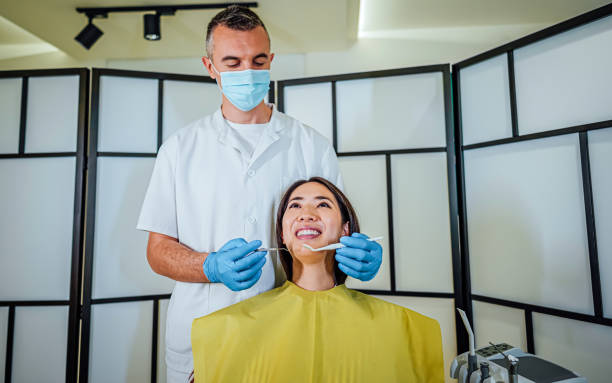

You want a smile that looks clean and natural. You also want teeth that stay strong. Preventive dental exams connect these two goals. During routine visits, your dentist finds small problems before they turn into stains, chips, or gum loss. Early care keeps your teeth bright and your gums even. As a result, whitening, veneers, and bonding look smoother and last longer. Without regular exams, cosmetic work often fails fast. Hidden decay, grinding, or infection can sit under new fillings or crowns and slowly destroy them. A trusted dentist in Surprise, AZ checks for these risks, cleans away buildup, and tracks tiny changes over time. Then cosmetic treatment works with a stable base, not against disease. You spend less time fixing damage and more time enjoying a calm, confident smile.
How Preventive Exams Protect Your Appearance
Every checkup does three simple things. Each step protects how your teeth look.
- Finds early decay and cracks before they show as dark spots or breaks.
- Removes plaque and tartar that cause stains and gum puffiness.
- Checks your bite so grinding and clenching do not chip teeth or wear edges.
These steps keep your mouth stable. Then any cosmetic work sits on a steady base. That base matters more than the shade of your whitening gel or the brand of veneer.
Healthy Gums Shape a Better Smile
Gums frame every tooth. When gums swell, bleed, or pull back, even straight white teeth look uneven. Routine exams and cleanings lower your risk of gum disease. The Centers for Disease Control and Prevention reports that nearly half of adults over 30 show signs of gum disease. That disease often stays silent at first.
During preventive visits, your dentist can
- Measure gum pockets to catch early infection.
- Clean below the gumline where your brush cannot reach.
- Teach you brushing and flossing that fit your mouth.
As gums heal, they look smoother and more even. Then crowns, veneers, and bonding line up with a neat gum edge. Your smile looks balanced, not patchy.
Why Cosmetic Work Fails Without Prevention
Cosmetic care often looks strong on day one. Trouble starts when a hidden disease spreads at work. Then you face pain, repeat visits, and higher costs. Common causes include
- Decay under fillings, crowns, or veneers.
- Grinding that chips porcelain and shortens teeth.
- Dry mouth from medicines that raise cavity risk.
Regular exams catch these problems early. Your dentist can adjust your bite, treat early decay, or suggest fluoride and saliva support. That early care protects the look of your smile and your budget.
Preventive Exams and Cosmetic Results Over Time
Cosmetic treatment is not a one-time event. It is a step in a long line of choices. The table below shows how routine exams change results over ten years for a typical adult patient. These numbers are estimates, not guarantees, and outcomes vary.
| Factor over 10 years | With regular preventive exams | Without regular preventive exams |
|---|---|---|
| Average number of new cavities | 0 to 2 | 3 to 6 |
| Chance veneers or bonding need early repair | Low | High |
| Risk of gum recession that shows dark edges | Lower | Higher |
| Teeth color change after whitening | Slow and mild | Fast and clear |
| Total time in the dental chair | Short visits for cleaning and checks | Long visits for root canals and repairs |
These patterns match what many clinics report. Routine care cuts problems. Fewer problems mean cosmetic work lasts longer and looks more natural.
What Happens During a Preventive Dental Exam
A standard exam is simple and family-friendly. You can expect three main parts.
- History and questions. You share changes in pain, diet, or habits.
- Cleaning. The team removes plaque, tartar, and surface stains.
- Exam and images. The dentist checks each tooth, your gums, tongue, and jaw.
The National Institute of Dental and Craniofacial Research notes that regular exams are key to preventing tooth loss. That same care protects your cosmetic work.
How Often You Need Exams for Best Cosmetic Results
Most people need a checkup and cleaning every six months. Some need visits more often. Your dentist may suggest three or four visits a year if you
- Wear braces or clear aligners.
- Have many fillings, crowns, or implants.
- Live with diabetes or other health conditions.
- Use tobacco or vape products.
Children also need regular exams. Early care protects adult teeth as they come in. That care can reduce the need for future whitening or reshaping.
Simple Habits That Support Preventive Care
Your daily habits decide how well cosmetic work ages. Combine exams with three core steps.
- Brush two times a day with fluoride toothpaste.
- Clean between teeth every day with floss or a water device.
- Limit sugary drinks and snacks between meals.
These habits keep stains and decay low. Then your dentist can focus on fine-tuning, not constant repair. Your smile keeps its color and shape longer.
Choosing Exams Before Cosmetic Treatment
If you plan whitening, veneers, or bonding, schedule a full exam first. Ask your dentist to
- Check every tooth for decay or cracks.
- Measure your gums and treat infection.
- Review grinding, clenching, or jaw pain.
Once your mouth is stable, you can plan cosmetic steps that match your health and budget. Preventive care is not extra. It is the base that holds your new smile steady.