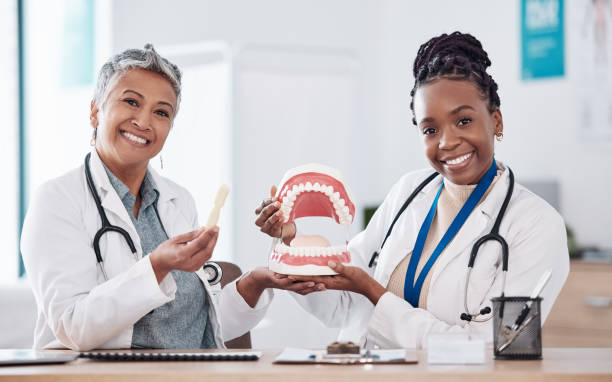

You deserve a smile that fits your life, not a one‑size‑fits‑all solution. Personalized dental prosthetics focus on your mouth, your habits, and your daily pain. Standard dentures or crowns often slip, rub, or crack. Then you feel shame, avoid certain foods, and hide your smile. Customized prosthetics change that. Your dentist studies your bite, jaw movement, and gum shape. Then you receive teeth that feel secure, look natural, and let you eat, speak, and laugh with less fear. This careful match lowers sore spots, repairs, and long appointments. It also supports better bone health and cleaner gums. If you already feel worn down by past dental work, you are not alone. Many people turn to tailored solutions, including Roanoke cosmetic dentistry services, to fix years of discomfort. You can move from constant worry to steady comfort and real confidence.
What “Personalized” Means For Your Mouth
Personalized prosthetics are not just about looks. They match the shape, size, and function of your teeth and gums. Your dentist gathers clear information before any device is made.
You may receive
- Custom dentures that match your bite and gum line
- Crowns that copy the height and width of your natural teeth
- Implant crowns that match bone level and chewing force
This planning cuts daily strain. It also supports better cleaning at home. The result is a mouth that feels calmer and more stable.
Why One‑Size Devices Often Fail
Standard dentures and crowns use rough averages. Your mouth does not match those averages. That gap can cause real harm.
Common problems include
- Slipping during meals or talk
- Sores on the tongue, cheeks, or gums
- Cracks in the device from uneven pressure
- Headaches from a bite that does not close right
Over time, you may chew on one side, avoid firm foods, or clench in your sleep. That pattern wears down other teeth and speeds bone loss in your jaw. The mouth becomes a chain of small injuries that never fully heal.
Health Gains From A Better Fit
Personalized prosthetics help more than your smile. They support your full health. The National Institute of Dental and Craniofacial Research shows that tooth loss is common with age. Wrong replacements can deepen that loss.
A custom fit can
- Spread chewing force across the full bite
- Lower rubbing on gums and cheeks
- Help you chew fruits, vegetables, and lean meats
Better chewing supports blood sugar control, heart health, and weight control. Your mouth becomes a help, not a threat, to your body.
Comfort And Confidence In Daily Life
Teeth are tools for daily life. You use them every time you speak, smile, or share a meal. Poor prosthetics chip away at your courage in social settings.
With a personalized device you can
- Laugh without holding your hand over your mouth
- Order the food you want instead of the food you fear
- Join family photos without dread
This change may feel small at first. Over time, it can ease stress and quiet long-standing shame. Your mouth begins to match who you are inside.
Comparing Standard And Personalized Prosthetics
| Feature | Standard Prosthetics | Personalized Prosthetics |
|---|---|---|
| Fit to gums and bite | Based on rough averages | Based on your scans and molds |
| Comfort during chewing | More rubbing and sore spots | Smoother contact and less pain |
| Speech clarity | Lisp or slur more common | Closer to natural speech |
| Repair frequency | More cracks and breaks | Fewer visits for fixes |
| Support for home cleaning | More food traps | Smoother lines and easier brushing |
| Effect on self image | More worry about slips or looks | Higher trust in your smile |
How Dentists Personalize Your Prosthetic
The process is careful and clear. You stay part of each step.
First, your dentist listens. You share what hurts, what feels loose, and what you fear. Then your dentist checks your teeth, gums, tongue, and jaw joints. You may receive X-rays or digital scans.
Next, your dentist
- Measures your bite and how your teeth meet
- Checks how much you show your teeth when you smile
- Looks at face shape and lip support
Then a lab builds your device based on this map. You test it in your mouth. Your dentist adjusts edges and bite points. This back and forth makes the device yours.
Safety, Quality, and Long-Term Care
Personalized prosthetics work best with steady care. The Centers for Disease Control and Prevention stresses the link between mouth health and long-term disease. You protect your prosthetic by protecting your gums.
You can
- Brush twice each day with fluoride toothpaste
- Clean between teeth with floss or small brushes
- Soak removable dentures as your dentist directs
- Keep regular checkups and cleanings
These steps help prevent infection and bone loss. They also catch small problems before they turn into urgent visits.
When To Talk With Your Dentist
You do not need to wait for a crack or break. You can ask about personalized prosthetics if you
- Use a denture that slips when you talk or eat
- Have crowns that feel too high or too wide
- Hide your smile because of shape or color
- Notice jaw pain, ear pain, or headaches after chewing
Bring a clear list of what you feel each day. Ask what options match your mouth, your budget, and your health. You deserve clear answers and a plan that respects your pain.
Choosing Comfort Over Constant Worry
Tooth loss and worn teeth are common. They do not need to control your days. Personalized dental prosthetics give you a way out of constant worry. They protect your mouth, support your body, and free your smile.
You can take the first step with a simple talk. Ask your dentist how a device built for your mouth can replace guesswork with steady comfort.