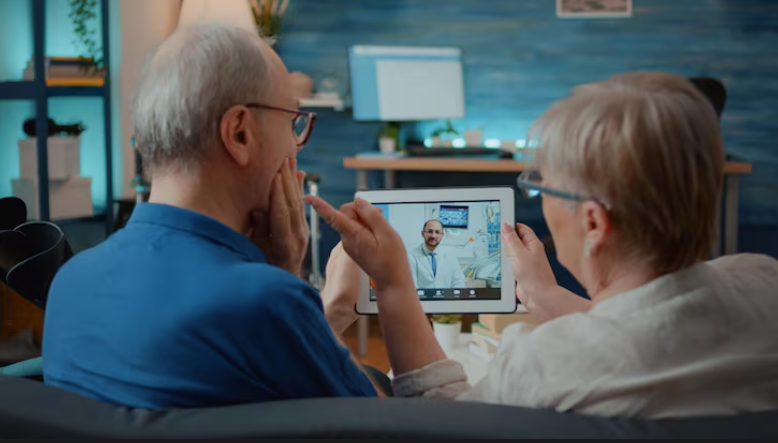

You might be feeling a mix of hope and worry right now. Maybe you are caring for a parent after a stroke, helping a partner recover after surgery, visiting a dentist in Hoffman Estates, IL, or trying to regain your own strength after a long illness. You keep hearing that technology can “help,” yet in the middle of appointments, medications, and exhaustion, it is hard to know what actually makes life easier and what just adds more passwords and screens.end
Because of this tension, you may be asking a simple question. Can technology really make restorative care smoother, kinder, and less overwhelming, or is it just one more thing to manage?
The short answer is that when it is chosen carefully and used in a thoughtful way, technology can reduce confusion, support safer recovery, and give you back some time and peace of mind. It can support everything from daily exercises and mobility training to communication with nurses and therapists. It does not replace human care. It supports it.
This guide walks through how technology can streamline restorative and rehabilitative care, where it can go wrong, and what to look for so that the tools you use actually serve you and the person recovering.
Why does restorative care feel so hard to organize in the first place?
Restorative care is about helping someone regain function, independence, and confidence after an illness or injury. It includes things like walking practice, strengthening exercises, personal care, and cognitive support. On paper it can look straightforward. In real life it often feels scattered and exhausting.
You may be trying to remember several different exercise routines, manage pain, track appointments, and coordinate with a range of professionals. A general dentist might be talking about oral health and swallowing, a physical therapist about walking, a nurse about skin care, and a doctor about medications. Everyone cares, yet it can still feel like you are the project manager of a very high-stakes situation.
According to nursing assistant training materials on rehabilitative and restorative care, successful recovery depends on routine, repetition, and clear communication. When routines are missed or instructions are forgotten, progress can slow and frustration rises on all sides.
So where does that leave you when you are already stretched thin and worried about doing something “wrong”?
Where do the biggest gaps show up, and how can technology help close them?
Think about a typical day in restorative care. There are several pressure points where things often break down.
Problem 1. Remembering and performing exercises correctly
You might leave a therapy session feeling confident, then get home and think, “Was my knee supposed to be bent this much?” or “How many times did they say to repeat this?” If you are supporting a loved one, you may be afraid of pushing too hard or not enough.
This is where simple technology can support technology supported restorative rehabilitation. Video exercise libraries, mobile apps, and printed plans with QR codes make it easier to see the movement again, at the right speed, with clear cues. Some systems even track how often and how well exercises are completed, so progress is visible rather than a guess.
Problem 2. Communication gaps between home and care providers
You might notice a new pain, a fall, or a change in mood, but by the time the next appointment comes around, details are fuzzy. Or different professionals might not see the same information, so each one has only a slice of the story.
Technology can support more connected restorative care management. Secure messaging portals, shared care plans, and digital logs allow caregivers and clinicians to see the same information. Instead of repeating the story five times, you can log it once. This can reduce errors and help the team adjust care more quickly.
Problem 3. Motivation and emotional strain
Restorative care is rarely a straight line. There are days when everything hurts, when progress seems invisible, and when you or your loved one feel tempted to give up. On those days, even simple tasks like brushing teeth or doing a short walk can feel like climbing a hill.
Some technologies build in encouragement. Apps that track small wins, reminders that feel like a nudge instead of a nag, and even simple progress charts can help people see that their efforts matter. For someone working on oral health with a general dentist, for example, tracking small changes in chewing comfort or mouth care can show that the work is paying off.
The key is not to use every tool available, but to choose a few that address the specific gaps that cause the most stress for you.
What does the research say about technology in restorative and rehabilitation care?
You may be wondering if all this is just marketing, or if there is actual evidence behind technology in restorative care. There is growing research that certain tools can support better outcomes when they are used thoughtfully.
Evidence summaries on technology in rehabilitation and restorative care highlight areas where technology can help. These include remote monitoring, telehealth, and guided exercise programs. They are not magic solutions. They are supports that tend to work best when combined with clear goals, human coaching, and regular review.
To make this more concrete, it can help to compare different approaches side by side.
How do different approaches to restorative care compare in real life?
The table below is a simple way to see how “traditional only” care compares with blended and more technology rich approaches. The right balance for you will depend on your situation, comfort with technology, and available support.
| Approach | What it looks like day to day | Main benefits | Main risks or limits |
|---|---|---|---|
| Traditional in person restorative care only | Exercises taught in clinic, paper handouts, phone calls for questions, in person follow up visits. | Personal contact, low tech, less setup. Good for those uncomfortable with devices. | Harder to remember instructions. Limited contact between visits. Progress tracking is based on memory. |
| Blended care with simple technology | In person visits plus printed plans with QR codes, reminder texts, basic apps, photo or video sharing with providers. | Better recall of exercises. Easier communication. More flexible timing. Often improves adherence to care plans. | Requires basic device access and minimal tech comfort. Some setup support may be needed. |
| High tech supported restorative care | All of the above plus remote monitoring devices, telehealth sessions, advanced exercise software or virtual reality tools. | More detailed data. Frequent feedback. Can reduce travel and allow close monitoring for complex cases. | Can feel overwhelming. Higher cost and learning curve. May not be necessary for mild or moderate needs. |
Seeing these options, you might notice that the middle path often offers the best balance. A few simple tools can make daily life smoother without turning recovery into a technology project.
What practical steps can you take to use technology without feeling overwhelmed?
It is easy to feel you must “keep up” with every new device or app. You do not. The goal is to choose technology that quietly supports restorative care, not to rebuild your entire routine overnight.
1. Start with one problem that causes the most stress
Instead of asking, “What technology should we use?” ask, “What is the hardest part of restorative care for us right now?”
For example:
- If you constantly forget exercises, consider a simple app or video playlist that matches the plan from your therapist.
- If communication is the issue, ask your providers if they use a secure portal, email summaries, or message system where you can share updates in between visits.
- If mood and motivation are slipping, look for tools that track small wins, such as steps walked, minutes of practice, or pain scores over time.
Once you define the single biggest pain point, you can match one technology to that problem and ignore the rest for now.
2. Ask every provider how technology fits into their part of care
During your next appointment, whether it is with a nurse, therapist, doctor, or general dentist, ask very direct questions.
- “What is the most important daily action for recovery, and is there a simple way to track or support it with technology?”
- “Do you have recommended apps, videos, or online resources that match what you are teaching us?”
- “How do you prefer we share updates or concerns between visits?”
This keeps the technology grounded in the actual care plan. It also reduces the risk of using random online tools that do not fit your situation.
3. Keep it human. Review and adjust often
Even the best tools can become clutter if they are not reviewed. Schedule a short check in every few weeks.
- Ask, “Which tools are we actually using, and which feel like a burden?”
- Discuss with your care team whether the data or support from technology is helping guide decisions.
- Be honest if something is confusing or frustrating. Good restorative care is flexible. The plan can change.
Technology should give you more connection and clarity, not less. If a tool is increasing stress, it is reasonable to simplify.
How can you move forward with more confidence in restorative care?
Restorative care asks a lot of you. It asks for time, patience, and emotional strength. When technology is used thoughtfully, it can remove some of the noise so you can focus on what matters most. It can help you remember exercises, communicate with your care team, and see progress that might otherwise be hidden.
You do not need to become a technology expert to support better restorative care. You only need to choose one or two tools that match your real needs, stay curious, and keep the conversation open with your providers.
As you consider your next step, you might start by reviewing trusted information on rehabilitative and restorative care principles and then exploring the current evidence on technology in rehabilitation and restorative care. Use what you learn to ask better questions, shape a clearer plan, and choose tools that truly support healing.
You are not behind. You are already doing the hard work of caring and showing up. Technology can simply become one more ally in that work, on your terms, at your pace.