
You might be feeling a little torn when a dental visit becomes about more than cleanings and cavities. Maybe your child needs reassurance before orthodontic work, or maybe you have been thinking about cosmetic changes for years and want to know what is realistic before you commit. That mix of hope, caution, and cost is real. When you are making choices for yourself or your family, you want clarity, not pressure. The good news is that digital smile previews are changing that conversation, and a Springfield dentist can help families use them to see possible results earlier, ask better questions, and feel more prepared before treatment begins.
That shift matters because family dental care often brings different needs into one room. One person wants a healthier bite. Another wants whiter, straighter teeth. A parent wants to know if a recommendation is necessary now or if it can wait. When everyone is trying to understand treatment at the same time, it is easy to feel overwhelmed. A visual preview can slow the process down and make it easier to talk through options with a family and cosmetic dentist.
Why do digital smile previews matter during family dental visits?
In many families, dental decisions are not only clinical. They are emotional and practical too. A teenager may worry about appearance. A parent may worry about timing and cost. A grandparent may want a simple way to understand whether cosmetic treatment will affect comfort or daily function. Because of that tension, you might wonder whether a preview is just a nice extra or something more useful.
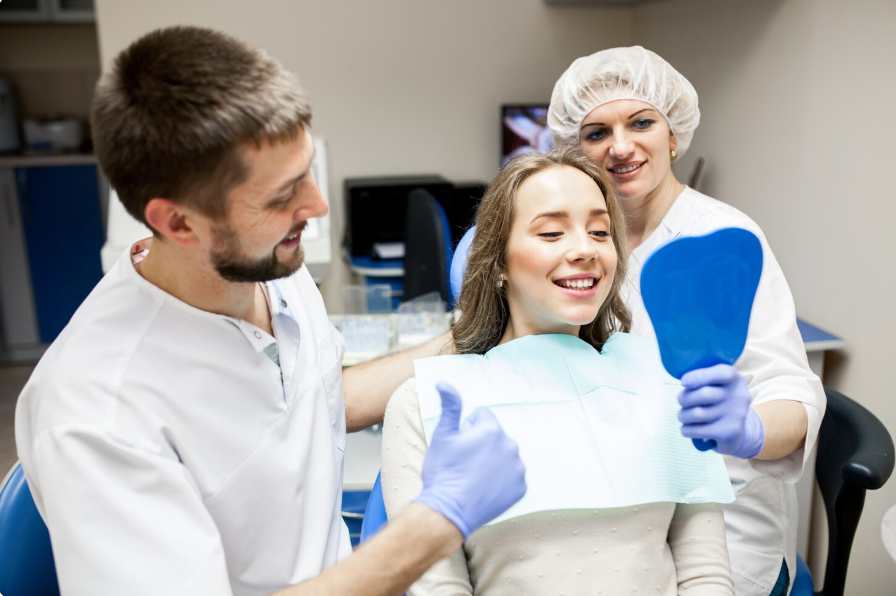
It often becomes much more than a nice extra. A digital smile preview gives you a visual model of what treatment may achieve, whether that treatment involves whitening, bonding, veneers, aligners, or other cosmetic planning. Instead of trying to imagine what the dentist means by “small shape changes” or “better symmetry,” you get something concrete to react to. That can reduce confusion and help you speak up sooner if something does not feel right.
For children and teens, the value can be just as clear. Some younger patients feel anxious because they do not know what comes next. Visual tools can make discussions more understandable and less intimidating. In some cases, digital communication and remote consultation tools also support access and planning. The American Academy of Pediatric Dentistry outlines key points in its policy on teledentistry, which helps explain how digital tools can support communication, education, and care coordination for families.
What problems can a smile simulation solve before treatment starts?
One common problem is mismatch. You think you are asking for a subtle change, but the dentist hears that you want a bigger cosmetic result. Or your child hears “braces” and assumes years of discomfort without understanding the goal. These gaps are small at first, but they can lead to disappointment later. A smile simulation for dental visits helps bring expectations into the open before money and time are invested.
Another issue is hesitation. You may postpone treatment because you are not sure the result will feel worth it. That is especially common with cosmetic care, where the goal is personal and visible. A preview does not promise a perfect outcome, and it should never replace a full exam, but it can help you decide whether to move forward, adjust the plan, or ask for another option.
There is also the trust factor. Families tend to feel more comfortable when they understand why a treatment is being recommended and what the likely result may be. Research on digital dental communication has shown that visual and remote tools can improve understanding and engagement in care planning. You can review one example in this open access pediatric dentistry publication, which highlights how technology can support patient communication and decision making.
How does a digital smile design compare with a traditional consultation?
So, where does that leave you when you are trying to choose the best path for your family? It helps to compare the old approach with the newer one. A standard consultation still matters, because the exam, X rays, and clinical judgment are essential. But adding a visual planning tool can make the visit feel less abstract.
| Approach | What You Get | Possible Limits | Best Use |
|---|---|---|---|
| Traditional consultation | Exam, diagnosis, verbal treatment explanation | Results may be hard to picture | Foundational oral health planning |
| Digital smile design consultation | Visual preview of possible cosmetic or functional changes | Preview is a guide, not a guarantee | Aligning expectations before treatment |
| Family discussion without visuals | Shared conversation about timing and budget | More room for misunderstanding | Early planning at home |
| Family discussion with visual preview | Clearer understanding of goals and likely outcomes | Still requires clinical review and follow up | Comparing options and making decisions together |
The table makes one thing clear. The preview does not replace the dentist. It supports the conversation. That distinction matters, especially in family care, where decisions often involve health needs, appearance goals, age specific concerns, and budget at the same time.
What can you do right now if your family is considering cosmetic or restorative care?
1. Ask what the preview is meant to show. Some images focus on cosmetic changes only. Others may help explain spacing, alignment, or bite related goals. Knowing the purpose of the preview keeps expectations realistic.
2. Bring the whole decision into the room. If treatment affects a teen’s confidence, a parent’s budget, and the family calendar, say that out loud. A family and cosmetic dentist can only guide those concerns if they are part of the discussion.
3. Use the preview as a question tool, not just a sales image. Ask what can change, what may not change, how long results may last, and whether there are simpler options. The best conversations happen when the image opens the door to honest planning.
Could this make family dental decisions feel less stressful?
For many families, yes. The new role of digital smile previews is not about making treatment flashy. It is about making care easier to understand. When you can see a possible outcome, ask informed questions, and talk through concerns before treatment begins, the visit often feels calmer and more collaborative. That matters whether you are exploring cosmetic work, preparing a child for care, or trying to make a decision that fits both health and budget.
If you are considering cosmetic or restorative options, ask about digital smile previews at your next visit and find out how they may support a clearer, more confident treatment plan.
Read More: The Link Between Periodontal Health And Heart Health