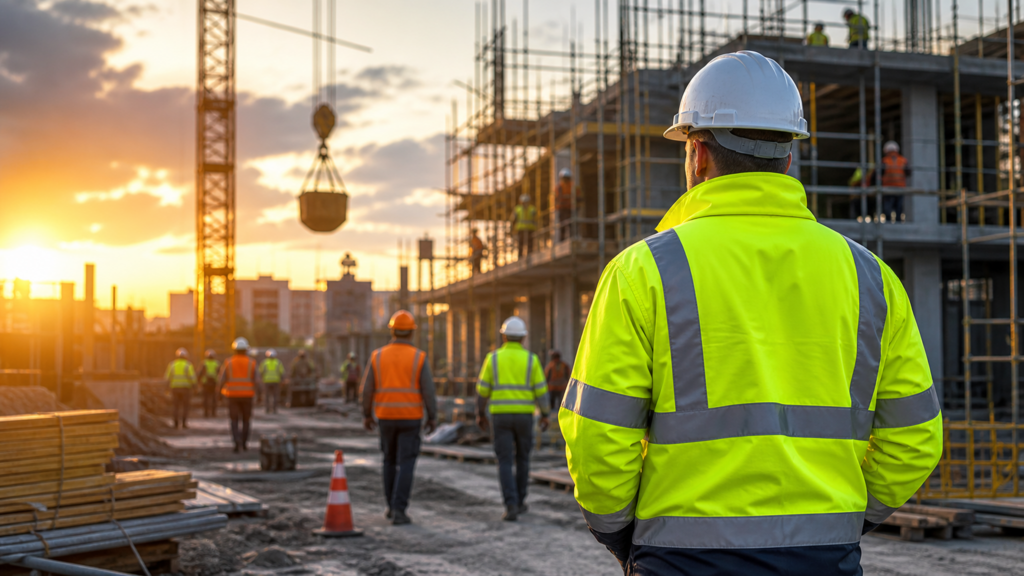

Safety compliance is a foundational requirement in real estate development, particularly in construction and property management environments where risks are inherent and often unpredictable. From large-scale commercial builds to residential housing projects, ensuring worker visibility and minimizing hazards are critical components of operational success. Among the many safety measures implemented across job sites, Hi Vis Jackets and custom screen printing have emerged as essential tools—not only for meeting compliance standards but also for improving coordination, accountability, and professionalism.
This article explores why high-visibility apparel, including Hi Vis Sweatshirts, is considered non-negotiable in real estate projects, the key factors that influence safety compliance decisions, and the trade-offs organizations must evaluate when balancing cost, performance, and long-term value.
The Role of Safety Compliance in Real Estate Projects
Real estate projects typically involve multiple stakeholders working simultaneously—contractors, subcontractors, engineers, inspectors, and labor crews. This complexity increases the likelihood of accidents, especially in environments with heavy machinery, moving vehicles, and constantly changing site conditions.
Safety compliance frameworks are designed to reduce these risks. While regulations vary by region, they generally require employers to:
- Provide appropriate personal protective equipment (PPE)
- Ensure worker visibility in high-risk areas
- Maintain clear identification of personnel
- Conduct regular safety audits and training
High visibility clothing plays a central role in meeting these requirements. It ensures that workers can be easily seen in low-light conditions, crowded job sites, and areas with moving equipment. This simple yet effective measure significantly reduces the risk of collisions and miscommunication.
Why High Visibility Apparel Is Non-Negotiable
1. Preventing Accidents in Dynamic Environments
Construction zones are fluid environments where conditions can change rapidly. Workers may be operating near cranes, forklifts, or delivery vehicles, often with limited lines of sight. High visibility outerwear increases the chances that operators can detect nearby personnel, even from a distance or in poor lighting.
Without such apparel, the risk of accidents rises sharply. Studies across construction industries consistently show that visibility-related incidents are among the most common causes of workplace injuries. In real estate projects, where timelines are tight and activity levels are high, the margin for error is minimal.
2. Enhancing Workforce Coordination
Visibility is not just about safety—it also affects efficiency. When workers can quickly identify team members, supervisors, or specialized personnel, communication becomes smoother. This is particularly important in large-scale developments where multiple teams operate across different zones.
Personalized screen printing can further enhance this benefit by adding roles, company logos, or identification markers to garments. While this introduces additional considerations such as cost and design management, it can significantly improve on-site organization.
3. Meeting Legal and Regulatory Requirements
Compliance with safety regulations is not optional. Failure to provide adequate protective gear can result in fines, project delays, or even legal action. In many jurisdictions, high visibility clothing is mandated for workers exposed to traffic or heavy equipment.
Real estate developers and contractors must therefore treat this requirement as a baseline, not an add-on. Investing in compliant gear is often more cost-effective than dealing with the consequences of non-compliance.
The Strategic Value of Branded Safety Apparel
While safety is the primary function of high visibility clothing, many real estate companies also recognize its strategic value. Custom shirt printing allows organizations to incorporate branding elements into workwear, turning every worker into a visible representative of the company.
This approach offers several advantages:
- Reinforces brand presence on active job sites
- Builds trust with clients and stakeholders
- Creates a sense of unity among workers
However, this strategy also involves trade-offs. Adding branding can increase production time and costs, particularly for large orders. Companies must balance the desire for professional presentation with the need for quick deployment and budget control.
Key Factors That Impact Safety Compliance Decisions
Cost vs. Quality
One of the most significant challenges in implementing safety measures is balancing cost with quality. High-quality high visibility jacket options often come with features such as weather resistance, durable materials, and reflective technology that meets industry standards. These features can improve longevity and performance but may require a higher upfront investment.
On the other hand, lower-cost alternatives may reduce immediate expenses but can lead to faster wear and tear, requiring more frequent replacements. Over time, this can negate initial savings and potentially compromise safety.
Comfort vs. Protection
Worker compliance is closely tied to comfort. If safety gear is uncomfortable, poorly fitted, or unsuitable for weather conditions, workers may be less likely to wear it consistently. This creates a gap between policy and practice.
Employers must therefore consider:
- Breathability for hot climates
- Insulation for colder environments
- Flexibility for ease of movement
Balancing these factors ensures that protective gear is both effective and wearable, increasing overall compliance.
Standardization vs. Customization
Standardized safety gear simplifies procurement and ensures consistency across teams. However, customization—such as personalized screen printing—can improve identification and branding.
The challenge lies in managing complexity. Custom orders may require additional coordination, longer lead times, and design approvals. For large real estate projects with tight deadlines, this can create logistical hurdles.
Organizations must decide whether the benefits of customization outweigh the operational challenges, particularly in fast-paced environments.
Challenges in Implementing Effective Safety Apparel Strategies
Supply Chain and Procurement Issues
Real estate projects often operate on strict timelines. Delays in sourcing safety gear can disrupt workflows and delay project milestones. Companies must work with reliable suppliers and maintain adequate inventory levels to avoid shortages.
Workforce Diversity and Training
Construction sites frequently involve workers from diverse backgrounds, including temporary or contract labor. Ensuring that all workers understand the importance of wearing high visibility outerwear—and how to use it correctly—requires consistent training and supervision.
Maintenance and Replacement
Safety gear is subject to wear and tear, especially in harsh construction environments. Dirt, damage, and fading can reduce visibility over time, making garments less effective.
Organizations must implement regular inspection and replacement protocols to maintain compliance. This adds an ongoing operational cost that must be factored into project budgets.
Trade-Offs in Decision-Making
Every decision related to safety compliance involves trade-offs. For example:
- Investing in premium gear may improve safety and durability but increase initial costs.
- Opting for basic equipment may reduce expenses but require more frequent replacements.
- Customizing apparel can enhance branding and coordination but introduce logistical complexity.
Real estate companies must evaluate these trade-offs in the context of their specific projects. Factors such as project scale, location, workforce size, and budget constraints all play a role in determining the most effective approach.
The Broader Impact of Safety Decisions
Safety compliance is not just about avoiding accidents—it has broader implications for business performance and reputation. Projects with strong safety records are more likely to:
- Attract skilled workers
- Gain client trust
- Avoid costly disruptions
Conversely, poor safety practices can lead to negative publicity, financial losses, and long-term damage to brand credibility.
In this context, high visibility clothing becomes more than a regulatory requirement—it is a strategic investment in operational stability and organizational reputation.
Looking Ahead: Evolving Standards and Expectations
As the real estate industry continues to evolve, so do safety standards and expectations. Advances in materials, design, and technology are making safety apparel more effective and adaptable. Features such as moisture-wicking fabrics, enhanced reflectivity, and ergonomic designs are becoming increasingly common.
At the same time, stakeholders—including clients, regulators, and workers—are placing greater emphasis on safety performance. This trend is likely to continue, making compliance an even more critical factor in project success.
Wrapping Up
Safety compliance in real estate projects is a complex and multifaceted challenge, but one principle remains clear: visibility is essential. High visibility clothing plays a critical role in reducing risks, improving coordination, and meeting regulatory requirements.
While implementing effective safety strategies involves balancing cost, comfort, and customization, the consequences of inadequate measures are far greater. By prioritizing visibility and investing in appropriate protective gear, real estate companies can create safer, more efficient job sites and position themselves for long-term success.
Ultimately, the decision to prioritize safety is not just a regulatory obligation—it is a reflection of an organization’s commitment to its workforce, its projects, and its reputation.