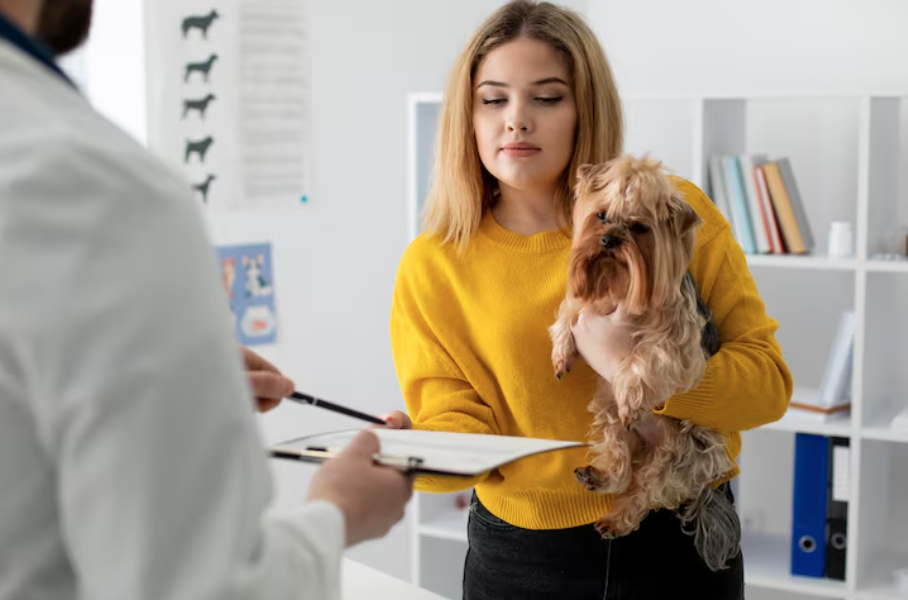

You might be feeling a little guilty every time you pull out the carrier or leash and see your pet disappear under the bed or start to shake. What used to be a simple checkup with a veterinarian in Charlotte, MI now feels like a full emotional workout, for both of you. By the time you get to the clinic, your heart is racing almost as fast as your pet’s.end
That tension is real. Many caring owners start to dread vet visits because they know their dog will tremble on the exam table or their cat will hiss and claw to get away. You may even find yourself putting off appointments, which adds a layer of worry about your pet’s health on top of everything else.
The good news is that modern veterinarians take anxiety in pets seriously. There are practical, kind ways to make exams easier. In simple terms, the approach combines preparation at home, gentle handling at the clinic, and sometimes medical support to help your pet feel safer. When you understand how vets reduce stress and how you can support that process, visits can shift from chaotic to manageable, and sometimes even calm.
Why do pets get so anxious at the vet in the first place?
Think about the experience from your pet’s point of view. The carrier comes out only when something “bad” is about to happen. The car ride might be rare and bumpy. The clinic smells like other animals, some of them frightened or sick. Then strangers touch sensitive areas, sometimes give injections, and your pet has no idea why.
Because of this, many dogs and cats start to link the entire process with fear. A dog that once only panted a little may, over time, begin to bark, lunge, or even snap. A cat that simply hid at first might start growling, scratching, or refusing to come out of the carrier. This is not your pet being “difficult.” It is a survival response to what their brain reads as danger.
That is where the stress builds for you too. You might worry that staff are judging you, or that your pet’s behavior means you have failed in some way. You may be afraid your pet will injure someone, or that the exam will be cut short and something important will be missed. Anxiety in pets during vet visits can easily turn into anxiety for their humans as well.
So where does that leave you when you know your pet needs care but the visit feels overwhelming?
How do veterinarians actually calm anxious pets during exams?
Many clinics now use what is often called stress free veterinary care, which focuses on safety, comfort, and choice. The goal is not to “force” your pet through an exam. The goal is to create conditions where your pet can relax enough for a good physical check, vaccines, and any needed tests.
Here are some of the main tools veterinarians use.
1. Gentle handling and low-stress techniques
Trained staff will often change how they move, speak, and touch your pet. They may use soft voices, move slowly, and avoid looming over your pet. Cats might be examined in the bottom of their carrier or on a non-slip mat. Nervous dogs might be allowed to stay on the floor instead of the table.
Many clinics also limit how many people are in the room, dim the lights, or use calming pheromone sprays. These small adjustments can make a big difference. For more detail, you can see how one veterinary teaching hospital explains tips for stress free veterinary trips.
2. “Happy visits” and gradual exposure
If your pet is very nervous, some veterinarians will suggest short, positive visits where nothing medical happens. Your dog might come in, get a few treats, say hello to staff, then go home. Your cat might simply sit in the lobby in their carrier for a minute, then leave.
Over time, this teaches your pet that the clinic does not always mean needles and procedures. It is a way to soften the fear link in their brain. For dogs especially, this kind of slow, positive exposure is a powerful tool to reduce anxiety related to vet care.
3. Medication and supplements when needed
Sometimes kindness and training are not enough on their own. Some pets have such strong fear that they need medical help to get through an exam safely. A veterinarian may prescribe an anti anxiety medication before the visit, or use a mild sedative for particularly stressful procedures.
Using medication for fear free vet visits is not a failure. It is often the most humane choice. A calm pet is easier to examine, which means more accurate findings and better care. It also prevents your pet from rehearsing intense fear again and again, which can make things worse over time.
If you are unsure about medication, you are not alone. Many owners worry that it will change their pet’s personality or be unsafe. A good vet will walk you through options, explain side effects, and tailor the plan to your pet’s age, health, and specific fears.
What are your options to reduce vet visit anxiety, and how do they compare?
When you think about how veterinarians address anxiety in pets during exams, it helps to see different approaches side by side. Owners often try to “tough it out” before they realize there are kinder alternatives. The table below compares common strategies.
| Approach | What it looks like | Short term impact on stress | Long term effect on future visits | When it may be appropriate |
|---|---|---|---|---|
| Forcing the visit without support | Dragging carrier or leash, holding pet tightly while they panic | Very high stress for pet and owner | Fear usually increases, behavior may worsen | Best avoided except in life threatening emergencies |
| Basic comfort only | Bringing a favorite blanket or toy, speaking softly, quick in and out | Moderate relief, some pets still highly anxious | May keep fear stable, does not always improve it | Pets with mild worry who tolerate exams fairly well |
| Fear aware clinic practices | Calm handling, treats, slow exams, exam on floor or in carrier | Noticeably lower stress for many pets | Often leads to gradual improvement over multiple visits | Most anxious but manageable pets |
| Fear aware care plus training and “happy visits” | Practice visits, positive reinforcement, short no procedure appointments | Effort upfront, stress often reduced visit by visit | Can transform severe fear into tolerable or even relaxed visits | Pets with strong fear but owners able to invest time |
| Medical support (anti anxiety meds or sedation) | Pre visit medication, sometimes sedation for procedures | Can greatly lower stress and protect everyone’s safety | Prevents repeated trauma, can support behavior improvement | Pets with extreme anxiety, aggression, or painful conditions |
Research and clinical experience show that a mix of environment changes, behavior support, and medical tools often works best. For example, one canine health resource from a major veterinary college describes how combining rewards, gentle handling, and planning can make veterinary visits less stressful for dogs.
What can you do right now to help your pet feel safer at the vet?
You do not have to fix everything overnight. Small, steady changes can dramatically improve how your pet handles exams and any general veterinarian care they need.
1. Prepare at home so the carrier, leash, and car are no longer “bad news”
Keep the carrier out all the time with a soft blanket and treats inside. Feed your cat in or near it so it becomes a normal, even pleasant, object. For dogs, clip the leash on for short, happy walks or play sessions, not just for vet trips.
Practice short car rides that end in something your pet enjoys, like a walk or a quiet return home. The goal is to break the pattern where carrier plus car always equals stress at the clinic.
2. Talk openly with your veterinarian about your pet’s anxiety
Before the appointment, call the clinic and explain what you see at home and during visits. Be specific. Does your dog start to shake as soon as you park. Does your cat pant or vocalize in the carrier.
Ask what fear aware options they offer. Some clinics can schedule you at quieter times, move you quickly into an exam room, or allow you to wait in the car until they are ready. This simple conversation can change the entire tone of the visit.
If you think medication might help, say so. Your vet can suggest a trial at home to see how your pet responds before the stress of the clinic is added.
3. Build positive associations during and after each visit
Bring high value treats your pet only gets at the vet. For dogs, this might be small pieces of chicken or cheese. For cats, a favorite lickable treat or canned food can work well. Offer these during calm moments in the waiting room, during the exam when safe, and right after.
Once you are home, keep the day low key. Offer extra affection or quiet time, depending on what your pet prefers. Over time, your animal’s brain can begin to pair the vet visit with care, food, and comfort, not just fear.
Moving forward with more confidence and less fear
You are not alone if every appointment feels like a hurdle. Anxiety around veterinary exams is common, and it does not mean you are doing anything wrong. It simply means your pet needs a different approach and a team that understands how to support them.
When you understand how veterinarians address anxiety in pets during exams, you can become an active partner in that process. With preparation at home, clear communication with your clinic, and a willingness to use modern tools like stress aware handling or medication when needed, you give your pet the best chance at calm, safe care.
Your pet still needs regular checkups and timely treatment, and with thoughtful planning, those visits do not have to be traumatic. They can become just another part of caring for an animal you love, handled with the same patience and kindness you show them every day.