
You might be looking at your dog or cat right now, noticing a little bad breath or some yellow on their teeth, and wondering if it really matters. After all, they are eating, they seem happy enough, and life is already full of appointments and expenses. It is completely understandable if pet dental care and pet testing and diagnostics in Murrieta, CA has slipped to the bottom of the list.end
Then something changes. Maybe your pet drops a piece of food, or cries out when chewing a toy, or you notice blood on a chew stick. Suddenly, what used to feel like a small issue starts to feel serious. You might feel guilty for not acting sooner, or worried about what it will cost to fix. That mix of concern and confusion can be heavy.
The good news is that you are not alone, and you are not too late. With a bit of guidance, you can protect your pet from pain, avoid many emergencies, and often save money over time. In short, 5 reasons dental care should not be ignored for pets include preventing chronic pain, stopping infection, protecting organs, saving long term costs, and improving daily quality of life.
So where does that leave you right now? It starts with understanding why your pet’s mouth matters far more than most people realize.
Why does pet dental health matter more than “just bad breath”?
It often starts with something small. Your dog’s breath smells stronger. Your cat suddenly resists chin scratches. You tell yourself it is normal, because many people assume pets naturally have bad breath. The problem is that what looks minor on the surface can hide serious disease under the gumline.
The American Veterinary Medical Association explains that most dogs and cats show some signs of dental disease by age 3. You can read more about that on this pet dental care overview from AVMA. When plaque and tartar build up, they irritate the gums, cause infection, and slowly destroy the tissues that hold the teeth in place.
Because this damage happens gradually, pets adapt. They keep eating. They may chew on the other side of their mouth, or swallow food without chewing much. To you, it can look like everything is fine, until it is not.
So what are the real risks of overlooking routine dental care?
What really happens if you ignore your pet’s teeth?
Think of this as a slow burn problem. At first, it is invisible. Over time, it becomes painful, then expensive, and sometimes even life threatening.
1. Silent, ongoing pain
Pets rarely show pain in obvious ways. A dog with a cracked molar may still chase a ball. A cat with severe gingivitis may still groom. They do not complain the way people do, so dental pain often goes unnoticed for months or years.
Imagine trying to eat with a constant toothache. That is what many pets experience when tartar, infection, and loose teeth are left untreated. They may become irritable, avoid being touched around the face, or sleep more. It is easy to mistake these changes for “getting older” when they are actually signs of discomfort.
2. Infection that spreads beyond the mouth
When gums are inflamed and bleeding, bacteria have a direct path into the bloodstream. Over time, this can affect the heart, liver, and kidneys. Chronic oral infection has been linked to more serious systemic illness in pets, not just dental loss.
This is one of the biggest reasons that pet dental health care is about more than a clean smile. It is about protecting the rest of the body from a constant source of bacteria and inflammation.
3. Tooth loss and difficulty eating
Untreated periodontal disease destroys the structures that hold teeth in place. Teeth become loose, abscessed, and eventually fall out or need to be removed. By the time you see obvious swelling or drainage, the disease is usually advanced.
Some pets begin avoiding dry food, dropping kibble, or taking longer to finish meals. Others appear to eat normally but lose weight over time. Again, this is often blamed on age, when the real issue is dental discomfort.
4. Higher long term costs
It is natural to worry about the cost of professional dental cleanings. However, waiting until there is a crisis usually leads to larger bills. Multiple extractions, hospital stays, advanced imaging, and strong medications can add up quickly.
Regular checkups and earlier cleanings are usually simpler, safer, and less expensive. They also reduce the chance of emergency visits for facial swelling, broken teeth, or severe oral infection.
5. Lower quality of life
When the mouth hurts, everything becomes harder. Eating, playing, even resting can be affected. Pets may become withdrawn or less interactive. Once their mouth is treated and comfortable again, many owners are surprised to see their pet act younger, more playful, and more relaxed.
So how do you balance the reality of your time and budget with what your pet truly needs?
How does home care compare with professional pet dental care?
You might wonder if you can manage your pet’s oral health at home, or if professional care from a general veterinarian is always necessary. In truth, both matter, and they work best together.
The table below offers a simple comparison.
| Approach | What it includes | What it can do well | What it cannot replace |
|---|---|---|---|
| Home care (brushing, dental chews, rinses) | Daily or frequent brushing, approved dental treats, oral gels or rinses | Slows plaque and tartar buildup, supports gum health, extends time between professional cleanings | Cannot remove hardened tartar, cannot treat existing periodontal pockets or hidden tooth root problems |
| Professional veterinary dental cleaning | Exam under anesthesia, scaling above and below gumline, polishing, dental X rays when needed | Removes tartar, treats disease under the gums, identifies fractured or infected teeth, sets a clean baseline | Needs follow up home care to maintain results, may require repeat procedures over the years |
| No dental care or “wait and see” | Occasional visual checks at home, no structured cleaning plan | May feel easier in the short term, no immediate cost | Higher risk of pain, tooth loss, advanced disease, emergency visits, and greater long term expense |
For many families, the most realistic choice is a mix. Periodic professional cleanings to reset the mouth to a healthy state. Simple, sustainable home habits to protect that investment and keep your pet comfortable.
If you are unsure what home care looks like, there are practical, step by step guides, such as this pet tooth brushing guide from UC Davis. Even a few minutes a day can make a real difference.
What can you do this week to protect your pet’s teeth?
You do not have to fix everything at once. Start with small, clear steps that fit your life.
1. Take an honest look inside your pet’s mouth
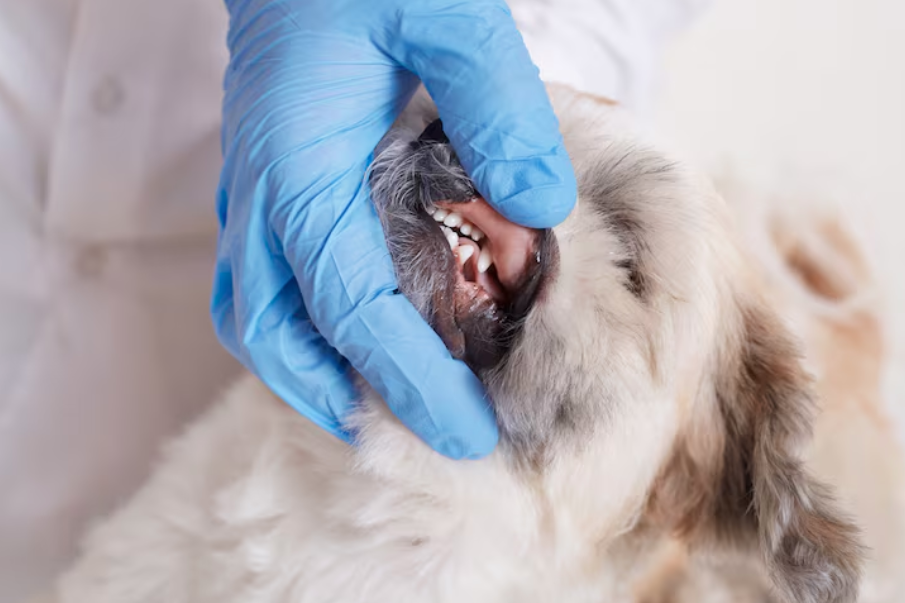
Choose a calm moment. Gently lift your pet’s lips and look at the teeth and gums. You are not diagnosing anything. You are just noticing.
- Is there strong, persistent bad breath
- Do you see yellow or brown buildup near the gumline
- Are the gums red, swollen, or bleeding
- Are any teeth broken, loose, or missing
If you see any of these, it is a sign that your pet would benefit from a professional dental exam. Even if things look fairly clean, a regular checkup is still important to catch issues early.
2. Schedule a dental focused visit with your veterinarian
Ask for an appointment specifically to discuss your pet’s teeth and gums. Share what you have noticed at home, even if it seems small. Your veterinarian can examine the mouth, discuss anesthesia and cleaning options, estimate costs, and recommend timing that makes sense for your pet’s age and health.
If you want more background before that visit, you can review this detailed pet dental care resource from AVMA. It can help you prepare questions and feel more confident about your choices.
3. Choose one simple home habit and make it routine
You do not need a perfect routine. You just need a realistic one. Some options include:
- Brushing your pet’s teeth a few times a week using pet safe toothpaste
- Using veterinarian approved dental chews or diets that reduce plaque
- Adding an oral rinse or water additive recommended by your veterinarian
Pick one habit that feels doable and start there. Once that feels normal, you can add more if needed. Consistency matters more than intensity.
Moving forward with more confidence about your pet’s dental care
It is easy to feel regret when you learn how much your pet’s mouth affects their comfort and health. Try to give yourself some grace. Most people were never told how significant dental care is for animals, and you are paying attention now. That matters.
By understanding the reasons pet dental care should not be ignored, you are already protecting your companion from avoidable pain and serious disease. With regular checkups from a trusted general veterinarian, and small daily habits at home, you can help your pet eat comfortably, play freely, and enjoy more good years by your side.
Your next step does not have to be big or complicated. A simple look in your pet’s mouth, a conversation with your veterinarian, and one new home care habit can change their future in a quiet but powerful way.