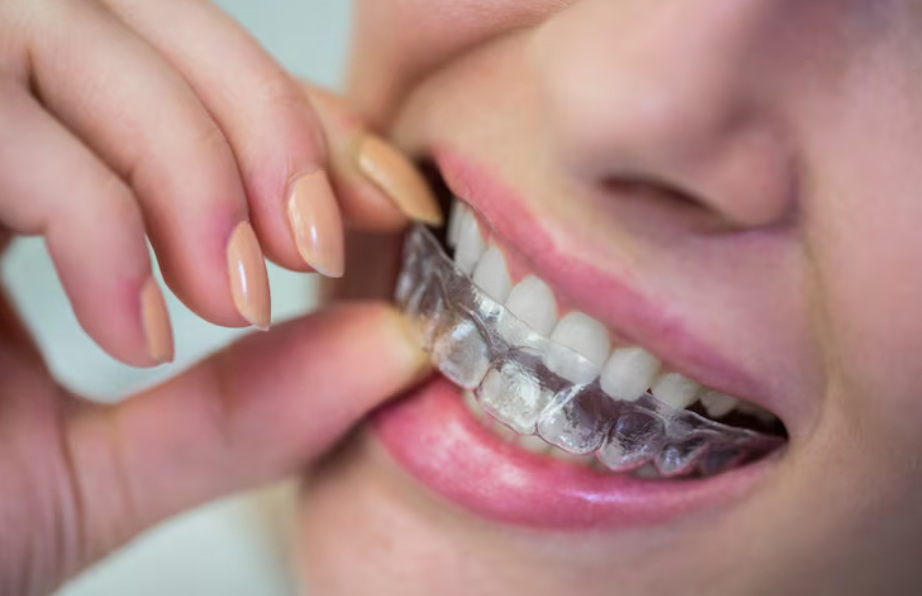

You might be feeling a mix of hope and worry right now. Maybe you are tired of hiding your smile, or your teenager has been asking about clear aligners because “everyone at school has them.” Perhaps you are also considering other treatments, such as a root canal in deer park, to address ongoing dental pain. At the same time, you may have heard stories about trays that hurt, do not seem to work, or end up half-finished in a bathroom drawer.end
This tension is real. You want straighter teeth and a healthier bite, but you also do not want to waste time or money on something that might not work. You may be wondering why some people get great results with clear aligners, while others feel disappointed or stuck in the middle of treatment.
The short version is this. Successful clear aligner treatment depends heavily on how well those trays fit your teeth and your bite. A truly custom fit is not just about comfort. It affects how your teeth move, how long treatment takes, and whether you reach the smile you were promised.
So where does that leave you? It means that before you choose a clear aligner path, it helps to understand why fit matters so much, what can go wrong when it is off, and how you can protect yourself by working closely with a trusted family dentist or orthodontic provider.
Why does a custom fit matter so much for clear aligners?
Clear aligners work by applying gentle, constant pressure to your teeth. That pressure has to be planned and controlled, step by step, in a sequence of trays. If the aligners are not precisely tailored to your teeth and jaw, the pressure is off. When the pressure is off, the movement is off.
Harvard School of Dental Medicine explains that clear aligner therapy relies on careful planning, digital scans, and ongoing supervision for predictable movement. You can read more about that process in their explanation of what clear aligner orthodontic therapy involves. The key detail is this. The software plan and the physical aligners must match your mouth, not an average model of “someone like you.”
When the fit is truly custom, each tray hugs the teeth closely. Attachments placed by your family dentist help the aligners grip and move specific teeth. Your bite is checked. Your jaw joints are considered. The result is a smoother journey and a much higher chance you finish on time with the results you expected.
When the fit is not truly custom, small problems start to appear. Trays feel loose in some spots and too tight in others. Certain teeth lag behind the plan. Gaps between the plastic and teeth show up. Those “little” issues are often early warning signs that the treatment is drifting away from the original plan.
What happens when clear aligners do not fit quite right?
Imagine you start aligner treatment through a mail-order kit. You take impressions at home. The aligners arrive in a nice box. At first, it feels exciting. Then after a few weeks, you notice one tooth is not following the plan. The trays are hard to seat fully on one side. You send an email, maybe get a scripted response, and you are left wondering if you should just push through.
Now picture another situation. Your child is using aligners, but they keep complaining that the trays feel strange around one tooth. You look closely and see a small gap where the plastic does not fully touch the tooth. You wonder if this is “normal” or if something is going wrong.
These are not imaginary worries. Research has shown that if aligners do not fit closely, tooth movement becomes less predictable and treatment can stall or go off track. One clinical review in the National Library of Medicine discusses how aligners can be very effective, but only when they are well planned and monitored, and when the fit is maintained throughout the process. You can see a summary of outcomes and limitations in this scientific review of clear aligner therapy.
When fit is off, here is what can happen.
Emotionally, you may feel frustrated or even misled. You followed the rules, wore the trays, and still do not see the changes you were promised. This can lead to shame about your smile and a sense that you “failed” treatment, when in reality the problem was the system, not your effort.
Financially, poor fit can mean extra months of treatment, more trays, or even the need to switch to braces or a different aligner system. That often means more cost on top of what you already paid. Some people end up paying twice. Once for the original aligners, then again to a local family dentist or orthodontist to fix the outcome.
From a health standpoint, misfit aligners can increase the risk of uneven bite forces, gum irritation, and unwanted tooth movements. A study on clear aligner side effects has highlighted that without proper supervision, patients can face problems like root resorption, bite changes, and gum issues. You can read more about that in this article on complications and side effects of clear aligners.
So the question becomes very real. Is this treatment truly designed around your mouth, or are you being fitted into a one-size-fits-most system?
How does custom fit compare to more generic aligner approaches?
To make this clearer, it helps to compare a carefully managed, custom clear aligner fit with a more generic or do-it-yourself style approach. The difference is not just about comfort. It reaches into planning, safety, and long term results.
| Aspect | Custom fit with in-person family dentist | Generic or mail-order style aligners |
|---|---|---|
| Initial records | Digital scans, photos, bite check, full exam | Home impressions, limited photos, no full exam |
| Fit accuracy | Aligners adjusted and verified in your mouth | Fit judged mostly by you at home |
| Monitoring | Regular visits to track movement and refine plan | Remote check ins, often by text or portal only |
| Handling problems | On the spot changes, new scans, or attachments | Possible replacement trays, limited bite adjustment |
| Risks | Issues caught early and corrected quickly | Higher chance of drift, bite changes, or unfinished care |
| Emotional impact | Guidance, reassurance, and clear expectations | More uncertainty, self monitoring, and guesswork |
For many people, the convenience of at home aligner options is tempting. Less time off work. No waiting room. No repeated visits. But because clear aligners move living tissue, not just shapes on a screen, the human oversight that comes with a trusted clear aligner treatment provider makes a real difference.
What can you do right now to protect your smile?
So where do you go from here if you are considering aligners or already using them and feeling unsure about the fit?
1. Ask direct questions about how “custom” your aligners really are
Before starting or continuing treatment, ask your family dentist or orthodontist very clear questions. How are my aligners planned for my specific bite, not just my teeth? How often will you check the fit in person? What happens if a tray does not seat fully or a tooth falls behind the plan?
A confident provider will welcome these questions. You are not being difficult. You are protecting your mouth, your time, and your budget.
2. Pay attention to early warning signs of poor fit
Trust what you notice. If a tray will not seat all the way, if you see gaps between plastic and teeth, if only a few teeth feel pressure while others feel nothing, or if your bite starts to feel “off,” do not ignore it. Take photos. Write down what you feel. Bring that to your family dentist as soon as you can.
Good treatment is not about “toughing it out.” It is about small corrections along the way so that the overall plan stays on track.
3. Choose partnership over convenience when possible
If you are still deciding where to start, consider the value of having a local, in person partner. A family dentist who understands your history, your bite, and your goals can guide you through clear aligner therapy with far more control than a distant provider ever could.
Even if you have already begun through a mail-order program, you can still schedule an evaluation with a local dentist. An honest opinion about your current progress and fit can save you from bigger problems later.
Bringing it all together so you can move forward with confidence
You do not have to become an orthodontic expert to make a good decision. You only need to understand one core truth. Clear aligners are not magic plastic. They are tools that work well when they are truly custom to your mouth and carefully supervised over time.
If you feel discouraged, confused, or worried about your current or future treatment, that feeling is understandable. Many people are sold the dream of a quick, invisible fix without being told how much the outcome depends on fit, planning, and follow up care.
You deserve clear answers, not pressure. You deserve a plan that respects your health, your budget, and your peace of mind. The next step is simple. Talk with a trusted family dentist, bring your questions about fit, and ask how they would design and monitor your aligner journey so you are not left guessing.
Your smile is personal. Your care should be too.