
You might be feeling a quiet mix of guilt and frustration every time you say, “Did you brush your teeth?” and your child shrugs or rolls their eyes. Maybe mornings feel rushed, nights feel chaotic, and somewhere in the middle you are trying to squeeze in flossing, fluoride, and the right toothbrush. You care about your child’s health, and you want the support of family-focused dental care in Grand Valley, ON, yet it can feel like you are fighting a losing battle with sugar, screens, and busy schedules.end
At the same time, you probably know this matters. You have heard that cavities are common in kids, you might even have paid for a filling or two already, and you do not want your child to grow up afraid of the dentist or dealing with preventable dental problems. You want oral care to feel normal, not like a daily argument.
This is where family dentistry and strong oral hygiene routines come together. A good family dentist does more than clean teeth. They help you create a simple, realistic structure at home, so brushing and flossing become habits your kids keep for life, not just while you are standing over them with a timer.
So where does that leave you? It means you do not have to figure this out alone. With the right support, you can move from stress and guesswork to a calmer, more confident routine that actually works for your whole family.
Why does family dentistry matter so much for your child’s daily habits?
Think for a moment about what you are up against. Sugary snacks at school. Sports drinks. Late nights. A tired child who insists they already brushed when you know they did not. You might feel like you are constantly reminding, nagging, and negotiating around a toothbrush.
The problem is not that you are careless. The problem is that building any routine with kids is hard, and oral care is easy to push to the side because the consequences do not show up right away. Cavities take time to form. Gum issues build slowly. That delay makes it tempting to skip “just this once” until “just this once” becomes the new normal.
Because of this tension, you might wonder if you are doing enough. Are you brushing long enough? Is flossing realistic for your child’s age? Are you choosing the right toothpaste? According to the Centers for Disease Control and Prevention, tooth decay is one of the most common chronic conditions in children, yet it is largely preventable with consistent home care and regular dental visits. You can read more about those facts and prevention strategies in the CDC’s guidance on oral health.
This is where a family dentist becomes more than “the place you go for cleanings.” A steady, child-friendly dental team can:
- Show your child exactly how to brush and floss in a way that feels simple and not scary.
- Tailor advice to your child’s age, habits, and risk for cavities.
- Back you up as the parent, so you are not the only voice saying, “This matters.”
- Spot small problems early, so they do not turn into painful emergencies.
When your child hears the same message from a trusted professional, routines start to feel less like “mom or dad being strict” and more like a normal part of growing up.
How does a family dentist turn brushing and flossing into daily habits?
Imagine two different evenings. In one, you are exhausted, your child is stalling, and brushing becomes a rushed 20 seconds with toothpaste smeared everywhere. In the other, your child knows exactly what to do, they have a toothbrush they like, and you have a simple rhythm that you both follow. Same house. Same people. Very different energy.
The difference often comes from clear guidance and small, consistent changes. A family dental care routine is not about perfection. It is about building a pattern your child can repeat, even on the messy days. A good family dentist helps you map that out step by step.
For example, during a visit, the hygienist might show your child how to angle the toothbrush, use gentle circles, and reach the back teeth. They might use a disclosing solution that briefly stains plaque so your child can “see” the spots they missed. That turns brushing from a chore into a small learning moment.
They can also help you decide on practical things, such as:
- Which toothbrush size and bristle type fit your child best.
- Whether your child needs fluoride toothpaste and how much to use.
- When to start flossing and how to make it easier with floss picks or tools.
- How often your family should come in based on your specific risk, not just a generic schedule.
Because of this, you are not guessing. You are following a simple plan. The American Dental Association offers clear home care guidelines on brushing, flossing, and fluoride that many family dentists follow and expand on. You can review those details in their resource on home oral care so you know the basics are covered.
Is “doing it yourself” enough, or do you really need a family dentist?
You might be wondering if you can just handle this at home with good toothbrushes and a bit of discipline. That is an understandable question, especially if you are trying to watch your budget or manage a full schedule.
Here is a simple comparison to help you see the difference between trying to manage everything on your own and working together with a trusted family dentist.
| Approach | What It Looks Like At Home | Common Risks | Key Benefits |
|---|---|---|---|
| DIY routines without a family dentist | Parents set brushing rules, choose products, and monitor habits based on online tips or guesswork. | Missed early cavities, confusing product choices, inconsistent habits, fear of the dentist if visits are rare or only for emergencies. | Lower short term cost, flexible schedule, full control over home routine. |
| Partnering with a family dentist | Regular checkups, personalized advice, child friendly education, and a clear plan that matches your family’s needs. | Requires scheduling and visit costs, some children need time to warm up to the office environment. | Early detection of problems, stronger habits, support for parents, less fear, and often lower long term costs due to fewer major treatments. |
When you look at it this way, it becomes clearer that family dentistry for strong home oral care is really a partnership. You handle the day to day brushing and flossing. Your dental team handles the training, the early warning signs, and the adjustments as your child grows.
What can you start doing right now to build better routines?
You do not need to overhaul everything overnight. A few focused changes can make a real difference in how your family approaches oral care.
1. Create a simple, repeatable brushing ritual
Instead of relying on reminders, try building brushing into fixed moments. For example, “After breakfast, we brush. After pajamas, we brush.” Keep it in the same place, with the same steps every day. Use a two minute timer or a favorite song to keep time, especially for younger kids.
Stay close while your child brushes until you are sure they are thorough. Many children need help or supervision until around age 7 or 8, sometimes longer. Think of it like teaching them to tie their shoes. You guide first. Independence comes later.
2. Use your family dentist as your “coach,” not just your cleaner
At your next visit, bring your questions. Ask about your child’s brushing technique, whether they are at higher risk for cavities, and what products your dentist recommends for your specific situation. Share your real struggles, such as “My child hates mint toothpaste” or “We always forget at night.”
A good family dentist will help you problem solve. That might mean flavor changes, different tools, or small rewards for consistency. The goal is not perfection. It is steady, realistic progress that fits your family’s life.
3. Model the habits you want your kids to keep
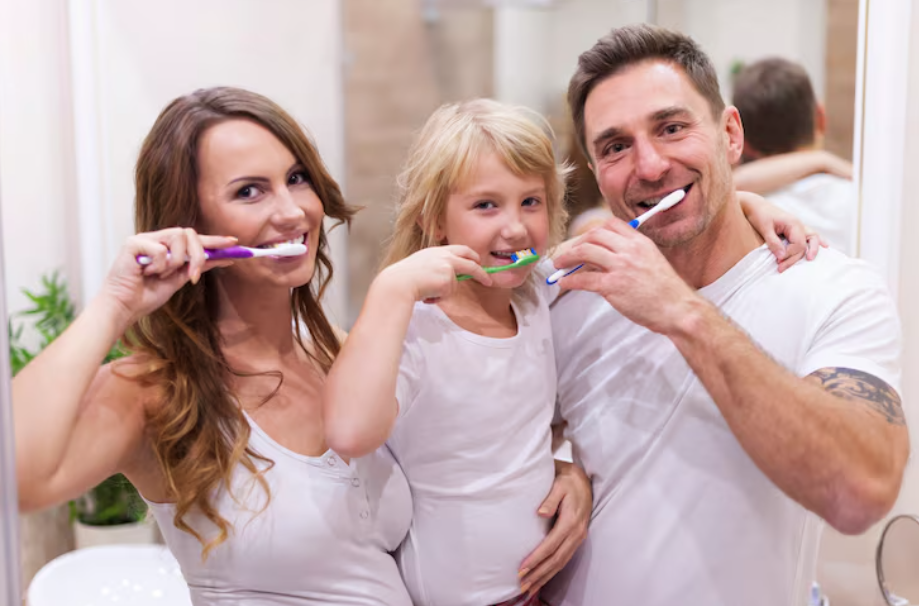
Children notice what you do more than what you say. If they see you brushing and flossing every day, they learn that oral care is just part of being an adult, not a punishment for kids. When possible, brush together. Turn it into a short family routine instead of a solo chore.
You can say things like, “I am tired too, but we still brush. Our teeth only get one chance.” That message, repeated calmly over time, carries more weight than any lecture.
Moving forward with more confidence and less stress
You are not expected to know every detail about oral health or manage your child’s habits perfectly. You are already doing something important by caring enough to ask these questions and look for better options.
With the support of a trusted family dentist, clear home routines, and small consistent steps, you can raise children who see brushing and flossing as normal, not as a battle. That means fewer surprises, less fear, and a healthier mouth for your whole family over the long term.
You and your child deserve that kind of ease. The next step is simple. Choose a family dentist you feel comfortable with, schedule regular visits, and use those visits to fine tune your home routine. Over time, the stress will ease, and the habits will stick.