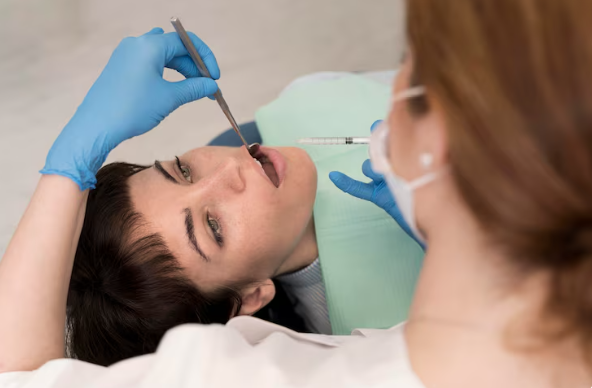

When you lose teeth in the back of your upper jaw, the bone near your sinus can shrink. Then an implant has less support. A sinus lift adds bone to this thin space so an implant can hold strong. You may feel uneasy when you hear about work near your sinuses. That reaction is normal. A sinus lift is a careful surgery with a clear goal. You gain enough bone height so your implant can last. Your Green Bay cosmetic dentist may suggest this when an implant would fail without it. The procedure raises the sinus floor, places bone, and protects nearby structures. You get a stronger base, fewer problems, and better chewing. This blog explains why a sinus lift matters, who needs it, and what you can expect before, during, and after treatment.
Why bone loss in the upper jaw is a problem
Missing teeth cause bone to fade over time. Your body no longer receives pressure from chewing in that spot. So it stops keeping the bone strong. In the upper back jaw, the sinus sits close to the roots of your teeth. When teeth are gone, the sinus space can expand. The bone between your mouth and sinus becomes thin.
Then a regular implant has little to hold onto. If the bone height is too low, an implant can shift, fail, or even break into the sinus. That risk is not small. Studies show that enough bone height and width are key to implant success. The National Institutes of Health notes that bone loss around teeth can lead to tooth loss and affect replacement options.
What a sinus lift does for your implant
A sinus lift changes the structure above your missing tooth. The dentist gently lifts the sinus floor and places bone material under it. The new bone raises the sinus and thickens the jaw. During healing, your body grows new bone into this graft.
After healing, the implant can sit inside strong bone. The sinus is protected. The implant has enough height to grip. This extra support lowers the risk of movement and loss. It also improves chewing strength. Food breaks down better. Your jaw joints carry less strain.
Who needs a sinus lift
You may need a sinus lift if you have one or more of these issues in the upper back jaw.
- Missing teeth for many years
- Advanced gum disease in that region
- Natural thin bone from birth
- Large sinus spaces that limit bone height
- Past tooth infections that damaged bone
Your dentist checks with X-rays and 3D scans. These images show the height and width of bone. They also show the size and shape of your sinus. If bone height is too low, a sinus lift becomes part of your plan.
Sinus lift versus no sinus lift
The choice to add a sinus lift can change your long-term outcome. The table below compares implants placed with enough bone after a sinus lift and implants placed in thin bone without it. The numbers are sample figures that reflect patterns seen in research and practice. They help you see the contrast.
| Factor | With sinus lift and good bone | Without sinus lift and thin bone |
|---|---|---|
| Average implant success over 10 years | 90 to 95 percent | 60 to 75 percent |
| Risk of sinus issues | Low when planned and placed well | Higher risk of sinus lining tear or implant entering sinus |
| Chewing strength | Strong and stable for daily meals | May feel weak or loose over time |
| Need for repair surgery | Less common | More common due to implant loss or infection |
| Bone support seen on X rays | Thick, steady bone around implant | Thin, shrinking bone over the years |
The extra step of a sinus lift often raises the chance that your implant will still be in place many years later. It protects your health and your budget. You avoid repeat work and repeat stress.
What to expect before the procedure
First, your dentist reviews your health history. You share any heart disease, diabetes, sinus infections, or smoking. These can affect healing. Then you receive a full exam with images. Your dentist measures bone height and plans the amount of graft needed.
You discuss pain control. Most sinus lifts use local numbing. Some people choose medicine to help them relax. You receive clear steps on food, drink, and medicines before surgery. You also plan for a ride home if sedation is used.
What happens during a sinus lift
On the day of surgery, the numbing medicine blocks pain. You may still feel pressure and touch. The dentist makes a small opening in the gum and bone near the sinus wall. The sinus lining is gently raised. Bone graft material fills the new space under the lining.
The gum tissue is closed with stitches. The graft now rests under the sinus like a support block. Over the next few months, your body grows new bone into this graft. In some cases, an implant goes in at the same time. In other cases, the dentist waits for healing before placing the implant.
Recovery and healing
Most people go home the same day. You receive clear rules.
- Avoid blowing your nose
- Sneeze with your mouth open
- Use prescribed rinses and medicine as directed
- Eat soft, cool food for the first days
Swelling and pressure feel strongest in the first two or three days. Then they fade. Stitches may dissolve or come out at a follow-up visit. New bone forms over several months. Your dentist checks the healing with X-rays before placing the implant.
How sinus lifts protect your long-term health
A stable implant supports more than your smile. It restores chewing on both sides. That balance protects your jaw joints and neck. It also helps your nutrition. You can eat firm fruit, nuts, and meat again. Your speech improves when teeth in the back support your bite.
A failed implant can lead to infection, bone loss, and more surgery. A sinus lift reduces those outcomes. It respects the sinus while giving your implant what it needs. You gain strength, comfort, and peace of mind.
Questions to ask your dentist
Before you agree to a sinus lift, ask direct questions.
- How much bone do I have now
- What type of bone graft will you use
- How long will healing take before an implant
- What are my risks based on my health
- What signs of trouble should I watch for at home
Clear answers give you control. You deserve to know why each step is needed and how it protects you.
Taking the next step
If you are missing teeth in the upper back jaw, a sinus lift may sound intense. Yet it often means the difference between an implant that fails and an implant that lasts. With good planning, skilled hands, and patient care at home, the outcome is often steady. Your jaw gains bone. Your sinus stays safe. Your implant stands strong for daily life.