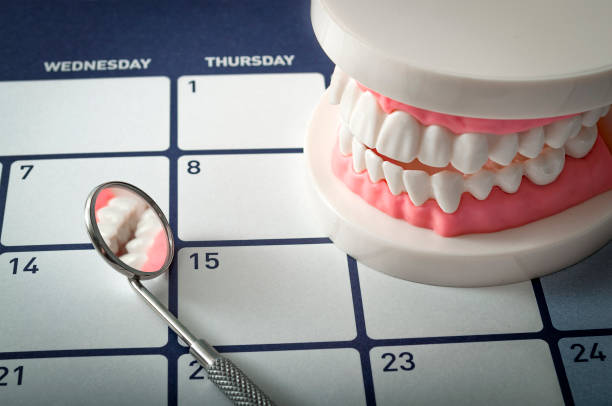

Regular checkups protect your mouth, your comfort, and your confidence. You may feel tempted to wait until something hurts before you call a dentist. That choice often leads to emergency visits, bigger bills, and stressful decisions. Preventive visits work the opposite way. They help you stay ahead of cavities, infections, and gum problems before they grow. They also give you clear answers about what is happening in your mouth right now. During regular visits, a dentist in Kamloops, BC can spot early warning signs that you might miss in the mirror. Small problems stay small. Cleanings remove stubborn buildup that brushing and flossing cannot reach. Regular appointments also support other health needs, because your mouth often shows early signs of disease in the rest of your body. This blog explains four simple benefits you gain when you schedule preventive visits on a steady routine.
1. You Catch Problems Early Before They Hurt
Tooth pain often shows up late. By the time you feel a sharp ache, the cavity or infection is already deep. Preventive visits flip that script. The dentist looks for small changes in your teeth and gums that you cannot see or feel yet.
During a routine exam, the team may use simple tools and X rays. They look for:
- Soft spots in enamel that signal early decay
- Red or swollen gums that point to gum disease
- Wear from grinding or clenching
The Centers for Disease Control and Prevention explains that untreated cavities remain one of the most common chronic problems in children and adults.
Early care costs less money and less time. A small filling is simple. A broken tooth or deep infection may need a root canal or even removal. Regular visits keep problems at a small stage.
2. You Save Money And Time Over The Long Term
Preventive care often feels like “one more appointment” on your calendar. Yet it protects your budget. It also protects your time away from work, school, and family.
The table below compares common preventive services with treatments that often follow when care is delayed. Costs are estimates. Actual costs vary by clinic and coverage. The pattern stays clear. Waiting usually costs more.
| Type of visit | Example service | Typical frequency | Relative cost | Time in chair |
|---|---|---|---|---|
| Preventive | Exam and cleaning | Every 6 to 12 months | Low | 30 to 60 minutes |
| Preventive | Fluoride or sealants for children | Every few years | Low | 15 to 30 minutes |
| Delayed care | Filling for untreated cavity | As needed | Medium | 30 to 60 minutes |
| Delayed care | Root canal and crown | As needed | High | 1 to 2 visits |
| Delayed care | Tooth removal and replacement | As needed | Very high | Several visits |
Routine visits also reduce surprise absences. A sudden toothache can pull you or your child out of school, work, or sports. Planned checkups fit your schedule. They also lower the chance of emergency trips at night or on weekends.
3. You Protect Your Whole Body Health
Your mouth connects to the rest of your body. Gum disease is linked to heart disease, diabetes, and other serious problems. Inflammation in your gums can strain your immune system. It can also make blood sugar harder to control.
The Canadian Dental Association notes that poor oral health is connected to conditions like diabetes and heart disease.
During a preventive visit, the dentist checks for signs that may point to health concerns such as:
- Dry mouth from medications
- Slow healing sores
- Changes that may signal oral cancer
Early notice gives you time to talk with your doctor. It also supports safer care if you live with a chronic condition. Clean teeth and healthy gums reduce strain on your body. They also lower the bacteria that can move into your blood.
4. You Build Healthy Habits For Your Whole Family
Children learn from what you do. When you book regular visits and stay calm in the chair, your child absorbs that. The dental office becomes a normal part of life, not a place for fear.
During visits, you can ask clear questions about brushing, flossing, and diet. You can also ask how to manage sports guards, braces, or teeth grinding. The team can show you simple steps that fit real life, such as:
- How long to brush
- Which snacks cling to teeth
- How to clean around braces or retainers
Three steady habits support strong teeth and gums.
- Brush two times each day with fluoride toothpaste
- Clean between teeth every day with floss or another tool
- See the dentist on a regular schedule
When you repeat these steps, they turn into routine. Your child grows up expecting cleanings and checkups. That pattern can protect them through school, work, and older age.
How To Get Started With Preventive Visits
If it has been a long time since your last visit, you may feel uneasy. You might feel ashamed or worried about judgment. A good office will focus on your next step, not your past. You can start with three simple moves.
- Call a local office and ask for a checkup and cleaning
- Share your health history and any fears before the visit
- Ask for a written plan that lists any next steps in plain words
You do not need a perfect mouth to schedule a preventive visit. You only need a decision to protect your health. Each regular appointment gives you knowledge, control, and relief. Your future self will thank you for the care you choose today.