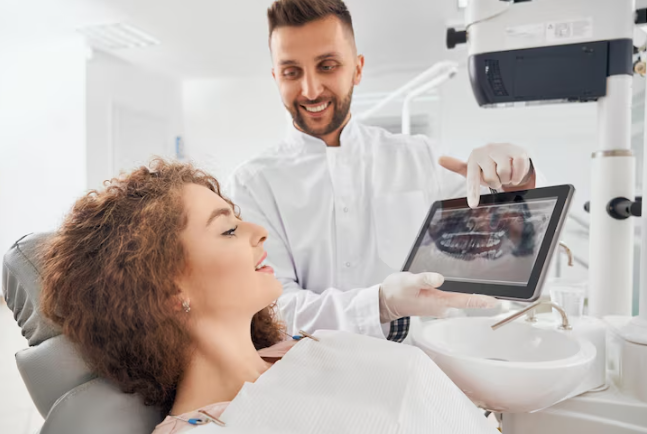

You want a smile that looks natural, feels strong, and lasts. Digital dentistry helps you reach that goal with less stress and more control. Today, your North Houston dentist can use 3D scans, digital photos, and computer planning to replace old guesswork. You no longer sit through messy impressions or unclear treatment plans. Instead, you see clear images of your teeth and gums on a screen. You understand what needs repair and what can change. Then you decide with confidence. Digital tools also help reduce repeat visits, uneven bites, and painful surprises. Your care becomes more exact. Your results look more even. Your mouth feels more stable. This blog explains four clear benefits of digital dentistry in cosmetic and restorative care. You will see how these tools protect your time, your comfort, and your long term health.
1. Clearer answers and more personal planning
Digital scans and photos give you a clear picture of your mouth. You see what your dentist sees. You can ask direct questions. You can point to a tooth on the screen and talk through choices.
Digital planning helps with many treatments.
- Whitening and bonding
- Veneers and crowns
- Implants and dentures
- Night guards and aligners
Instead of guessing how a new crown or veneer will look, your dentist can show a digital mock up. You see shape, length, and color before anything touches your tooth. You can request small changes early. That reduces surprise and regret later.
The National Institute of Dental and Craniofacial Research explains that custom care and early planning help prevent more serious mouth problems and tooth loss.
2. More comfort during visits
Many people fear dental visits because of pain, strong smells, and a long time in the chair. Digital tools can ease each of these worries.
First, digital scanners replace many old mouth trays. A small camera glides over your teeth. You breathe and speak more easily. Children and adults with a strong gag reflex often feel calmer.
Second, digital X-rays use less radiation than many old film X-rays. That protects children, pregnant people, and those who need frequent checks. The U.S. Food and Drug Administration describes how digital X-rays use controlled radiation and strong safety steps.
Third, digital planning can shorten time in the chair. Your dentist can plan crown shapes, implant spots, and bite changes before you arrive. That can mean fewer shots, less drilling, and shorter visits.
3. Stronger results and fewer repeat visits
Digital dentistry also helps your teeth stay strong after treatment. When a crown or filling does not fit, it can crack, leak, or cause pain. Digital tools cut this risk.
Digital scans capture tiny grooves and edges. Computer design helps shape crowns and bridges to fit that map. The lab or in-office mill then follows that plan with high accuracy.
A strong fit can lead to three gains.
- Less biting pain and tooth sensitivity
- Lower risk of cracks and breakage
- Fewer repairs and emergency visits
Some offices also use digital bite checks. These show where your teeth hit first when you close. Your dentist can adjust high spots before they strain your jaw. That protects teeth, fillings, and implants from extra pressure.
4. Faster care and same-day options
Time away from work, school, or caregiving is a heavy burden. Digital dentistry can shorten treatment from weeks to a single visit in some cases.
Here is a simple comparison of common steps for a crown using older methods and digital methods.
| Step | Traditional method | Digital method |
|---|---|---|
| Impressions | Thick trays with putty material | Quick scan with small camera |
| Number of visits | Two or more visits | Often one visit for many cases |
| Time wearing a temporary crown | One to three weeks | Often none |
| Risk of lost or broken temporary | Higher | Lower |
| Chair time per visit | Longer | Shorter |
For busy families, fewer visits mean less strain. Parents do not need to arrange many rides. Workers do not need to miss repeated shifts. Older adults do not need to make many trips when driving feels hard.
How digital dentistry supports your family
Digital tools help every age group.
- Children can avoid gagging from thick trays
- Teens in braces or aligners can track progress with photos and scans
- Adults can see options for whitening, bonding, and veneers
- Older adults can plan implants and dentures with clear 3D images
You also gain better records. Digital files store your tooth shapes, color, and bite pattern. If a crown breaks years later, your dentist can often use old scans to remake it. That can save time and money.
Questions to ask your dentist
You do not need to know every tool name. You only need to ask direct questions. Here are three simple ones.
- Do you use digital scans or still use trays for impressions
- Can you show me a digital plan or preview of my smile before treatment
- Can any of my crowns, veneers, or bridges be made in one visit?
Your dentist can then explain what fits your mouth, your health, and your budget.
Take your next step with confidence
Digital dentistry does not replace skill. It strengthens it. With clear images, careful planning, and strong records, you gain more control over your cosmetic and restorative care. You see your choices. You understand risks and gains. You protect your time, your comfort, and your long-term health.
At your next visit, ask how digital tools might help your care plan. You deserve a smile that feels safe and steady. You also deserve a process that respects your body, your schedule, and your peace of mind.