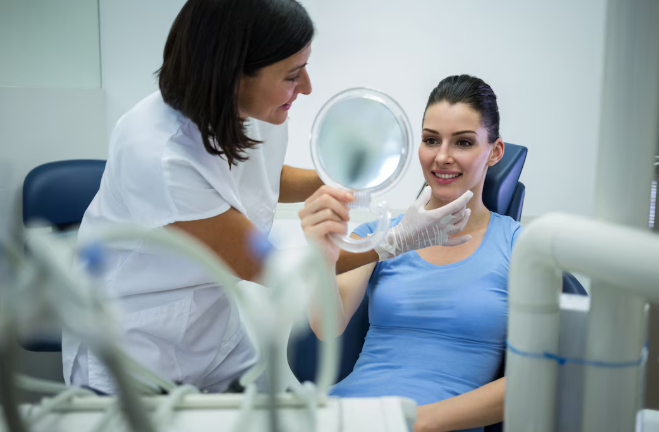

You might be feeling a mix of things about your teeth right now. Maybe you avoid smiling in photos. Maybe you worry every time you feel a twinge when you drink something cold. Or you have not seen a general dentist in a while, and a small worry in the back of your mind has grown into something heavier. You know you “should go” to a dentist in Leduc, Alberta, but the idea of sitting in that chair feels stressful, maybe even a little embarrassing.end
That tension is very common. Many people carry quiet shame about their teeth or fear about what a dentist might find, so they put it off, which only makes the worry stronger. The irony is that regular oral health screenings are not just about finding problems. They are about giving you clarity, control, and confidence over what is going on in your mouth and your overall health.
So the short version is this. Consistent checkups with a general dentist catch issues early, reduce pain and cost over time, and give you peace of mind about your smile and your body. They do not just protect your teeth. They help you feel more at ease in your own skin.
Why do skipped dental visits quietly chip away at your confidence?
Think about how often your mouth is involved in your daily life. You speak, you eat, you laugh, you meet new people. If you are worried about your breath, or you are hiding a tooth when you smile, that worry shows up in every one of those moments. You might hold back a laugh, cover your mouth, or avoid eye contact without even realizing it.
When you skip regular oral health screenings, a few things often happen over time. Plaque builds. Gums get irritated. Small cavities become larger. You might notice bleeding when you brush or persistent bad breath. Instead of seeing these as early warning signs that a dentist can help with quickly, many people blame themselves and feel ashamed. That shame can be heavy.
Because of this tension, you might wonder where the real problem lies. Is it your teeth, or is it how you feel about them. The truth is, it is usually both. Physical issues in the mouth affect how you show up socially and professionally. According to the American Dental Association’s research on oral health and well-being, many adults report that the condition of their mouth and teeth affects their ability to interview for jobs, feel relaxed, and even enjoy social interactions.
So a missed appointment is rarely “just a cleaning.” It can be the difference between feeling comfortable smiling during a presentation and worrying whether people are noticing your teeth.
How do regular screenings turn fear into control?
Once you understand what is actually happening in your mouth, a lot of the fear loses its power. That is where regular oral health checkups come in. They give you information, and information gives you choices.
Here is the basic pattern many patients experience.
First, there is the problem. Maybe your gums bleed, or you have a tooth that sometimes hurts, or your breath is not as fresh as you would like. You feel uneasy, but you are not sure how serious it is.
Then comes the agitation. You put off scheduling an appointment, and your mind fills in the blanks. You imagine painful procedures, high bills, or being judged for not coming in sooner. This mental story can be much worse than reality. Meanwhile, small issues can quietly grow. Research summarized in the NIH’s oral health overview shows that untreated gum disease and tooth decay are linked with infections, tooth loss, and even conditions beyond the mouth.
The solution is not a miracle product. It is a simple, repeated habit. Regular visits with a general dentist for screenings and cleanings. During these visits, your dentist checks your gums, teeth, bite, and soft tissues. X-rays, when needed, help catch problems that you cannot see. Many serious issues start small and pain free. Catching them early means easier treatment, less cost, and far less stress.
There is also another quiet benefit. Each time you go in and see that you are either stable or improving, your confidence grows. Even if a problem is found, you know about it early and have a plan. Instead of “something might be wrong and I have no idea,” it becomes “we found this, and here is how we are handling it.” That shift from guessing to knowing is powerful.
What are the real tradeoffs of regular dental screenings?
It is fair to ask what you are actually gaining by going in every 6 months compared to waiting until something hurts. To make that clearer, here is a simple comparison of irregular visits versus consistent routine dental exams.
| Approach | Short-term Experience | Long-term Oral Health | Typical Costs Over Time | Impact on Confidence |
|---|---|---|---|---|
| Waiting until there is pain | Fewer appointments at first, but more anxiety about symptoms | Higher risk of advanced decay, gum disease, and tooth loss | More emergency visits and expensive treatments like root canals or extractions | Ongoing worry about appearance, breath, and unexpected problems |
| Regular oral health screenings every 6 to 12 months | Predictable, brief visits with preventive cleanings | Early detection, healthier gums, and more preserved natural teeth | Lower long-term costs through prevention and small, timely treatments | Greater peace of mind, more comfortable smiling, and trust in your own health habits |
Many people are surprised to learn that routine care is usually less expensive over several years than waiting for emergencies. A small cavity treated early is far cheaper and easier than a tooth that needs a crown or extraction. The same is true emotionally. A calm, planned checkup is much easier on your nerves than rushing in because of sudden pain.
So where does that leave you. It leaves you with a choice between hoping things are fine and knowing they are.
What can you do right now to feel more confident about your oral health?
You do not have to overhaul your entire life to start feeling better about your teeth. A few focused steps can create real momentum.
1. Schedule a “reset” visit with a general dentist
If it has been a while, think of your next appointment as a reset, not a test you can fail. When you book, you can say something as simple as, “It has been longer than I meant, and I am a little nervous. I would like a full checkup and cleaning.” A good dental team hears this every day and will meet you where you are.
During that visit, ask the dentist to walk you through what they see. Which areas are healthy. Where is there early concern. What is the priority if any treatment is needed. Understanding the “why” behind each recommendation helps you feel like a partner in your care, not a bystander.
2. Create a simple home routine you can actually stick with
Confidence does not come from perfection. It comes from consistency. Aim for brushing twice a day with fluoride toothpaste and flossing once a day. If flossing feels like too much at first, start with three nights a week and build up. The goal is to create a routine you can keep, not one that looks perfect on paper.
Knowing you are caring for your teeth between visits makes those appointments feel less scary. You are not walking in hoping for the best. You are showing up knowing you have done your part.
3. Ask one question at every visit
Each time you see your dentist or hygienist, ask a single clear question. For example. “What is the one thing I could do at home that would make the biggest difference for my mouth.” Or “Is there anything you see that could affect my overall health if I ignore it.”
These questions open a short, focused conversation. They turn a routine exam into a chance to learn about your own body. Over time, this knowledge adds up. You begin to understand your patterns, your risks, and your strengths. That understanding is a strong foundation for lasting confidence.
Moving forward with more trust in your smile and your health
You do not need a perfect smile to feel confident. You need a smile you understand and care for. Regular oral health screenings with a trusted general dentist give you that. They catch problems early, reduce surprises, and help you feel in control instead of at the mercy of pain or fear.
If you have been putting off a visit, you are not alone, and you are not too late. One appointment can start to quiet a lot of worry. From there, each small step you take, at home and in the dental chair, builds a little more trust in your own smile.
Your mouth is part of your overall well-being, and you deserve to feel comfortable using it to speak, eat, laugh, and live without holding back. The next move is simple. Choose a general dentist you feel you can talk to, schedule that reset visit, and give yourself the chance to feel genuinely confident again.