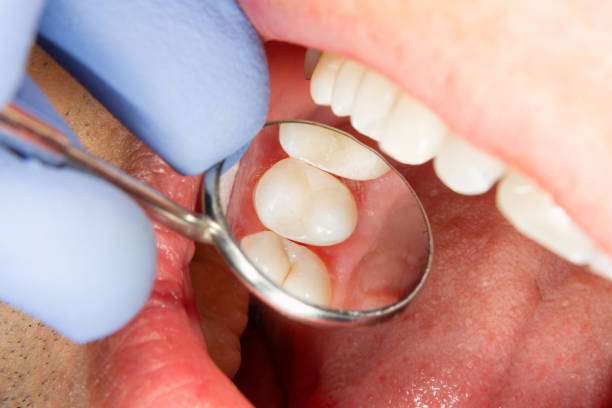

Healthy gums do not happen by luck. They grow from steady choices you make long before pain or bleeding starts. Preventive dentistry gives you tools to protect your gums every single day. You learn how plaque forms, where it hides, and how simple habits can stop it from tearing at your gumline. Regular cleanings and checkups catch small gum problems early, before they turn into loose teeth or costly treatment. Care at home matters just as much. You brush with purpose, clean between teeth, and watch for small changes in color or tenderness. A trusted Sunnyvale dentist can guide you, explain what they see, and build a plan that fits your daily life. Early action lowers fear, saves time, and helps you keep your own teeth longer. Your gums hold your smile in place. They deserve attention before trouble starts.
Why Your Gums Need Protection
Your gums cover bone, protect tooth roots, and help you chew. When they weaken, problems spread fast. Bleeding, swelling, and bad breath often come first. Loose teeth and bone loss can follow.
According to the Centers for Disease Control and Prevention, almost half of adults over 30 show signs of gum disease. Many do not feel pain until damage grows. That is why prevention matters. You act early. You control what you can.
Three simple facts guide gum care.
- Plaque irritates gums and forms every day.
- Daily cleaning removes most plaque.
- Professional care removes what you miss and spots trouble early.
How Preventive Dentistry Protects Gums
Preventive dentistry means regular steps that stop disease before it starts or spreads. You and your dental team share this work.
In the dental office
- Routine exams. Your dentist checks gums, measures pockets, and looks for color changes or recession.
- Professional cleanings. A hygienist removes hardened plaque that brushing cannot remove.
- X rays as needed. These show bone levels and hidden infection.
The National Institute of Dental and Craniofacial Research explains that early gum disease can improve with good cleaning at home and in the office. You often avoid surgery when you act soon.
At home
- Effective brushing two times a day.
- Cleaning between teeth every day with floss or small brushes.
- Healthy food choices with less sugar and fewer snacks.
- No tobacco, which weakens blood supply to gums.
Daily Habits That Build Stronger Gums
Small habits repeated every day shape gum strength. You do not need complex routines. You need clear steps and consistency.
Brushing for gum health
- Use a soft toothbrush.
- Place bristles at the gumline where tooth and gum meet.
- Use small circles. Move slowly from tooth to tooth.
- Brush the outer, inner, and chewing surfaces.
- Brush for two minutes.
Cleaning between teeth
- Slide floss gently between teeth.
- Curve it around each tooth in a C shape.
- Move it up and down under the gumline.
- Repeat for every tooth, even the back ones.
If floss feels hard, you can ask about small interdental brushes or water flossers. The key is daily cleaning where a brush cannot reach.
Healthy choices that support gums
- Drink water often.
- Limit sugary drinks and sticky snacks.
- Eat crunchy fruits and vegetables that help clean teeth.
- Cut out tobacco in any form.
Comparing Preventive Care and Late Treatment
Preventive care protects your health and your budget. Late treatment often costs more in money, time, and stress.
| Factor | Preventive gum care | Late gum treatment |
|---|---|---|
| Main goal | Keep gums firm and infection free | Control infection and limit damage |
| Typical visits | Checkup and cleaning every 6 to 12 months | Deep cleanings, more frequent visits, possible surgery |
| Comfort level | Low stress and gentle care | More soreness, more time in the chair |
| Cost over time | Lower and easier to plan | Higher and less predictable |
| Impact on teeth | Teeth stay stable and strong | Risk of loose teeth and tooth loss |
Warning Signs You Should Never Ignore
Gum disease often grows in silence. You may not feel pain. Still, your body sends signals. Pay close attention to these signs.
- Gums that bleed when you brush or floss.
- Red or puffy gums instead of firm pink tissue.
- Gums that pull away from teeth.
- Bad breath that does not go away.
- Spaces between teeth that feel new.
- Teeth that feel loose or change position.
If you notice even one of these, contact your dentist soon. Early visits protect your mouth and your confidence.
How Often You Should See Your Dentist
Most people need a checkup and cleaning every six months. Some need visits more often. Your dentist sets a schedule based on your gum health, medical history, and habits.
You may need more frequent care if you:
- Have diabetes.
- Use tobacco.
- Take medicines that dry your mouth.
- Have a history of gum disease.
Regular visits create a record of your mouth. Changes stand out early. Treatment stays simple.
Protecting Your Family’s Gums
Gum health affects every age. Children, adults, and older adults all need prevention. You can guide your family with three simple steps.
- Set a shared brushing time in the morning and at night.
- Keep floss where you see it and use it together.
- Schedule checkups for everyone and keep them.
You teach children that gums matter. You show that strong teeth rest on strong gums. You give older family members support if they struggle to clean well.
Taking Your Next Step Today
You do not need perfect habits to start. You only need one clear choice. You can pick a time today to brush with care, floss every tooth, and check your gums in the mirror. You can call your dentist to set your next visit. Your gums respond to steady attention. With preventive dentistry and simple daily steps, you protect your smile and your comfort for years to come.