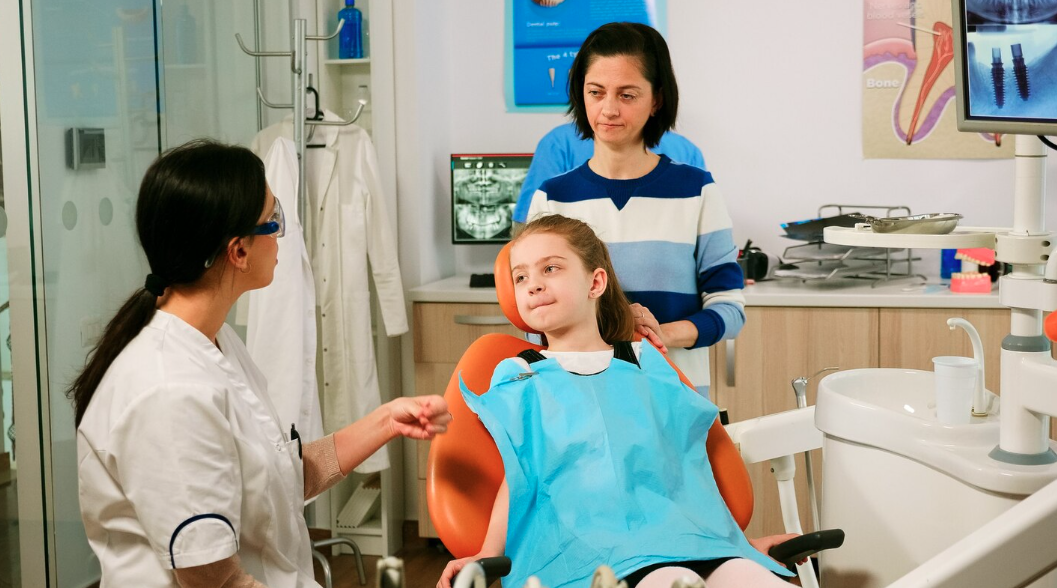

You might be feeling torn every time you think about the dentist. On one hand, you know your child’s teeth matter, especially if they already face so many medical appointments. On the other hand, the idea of forcing another unfamiliar, possibly overwhelming experience on them at a Corona dentist can feel unbearable. You may be wondering if skipping “just one more” checkup is really such a big deal.end
Then something small happens. A new sensitivity to cold water. A tooth your child will not let you brush. A bite that suddenly looks different. In that moment, it can hit you how fragile the balance is between “we are getting by” and “we have a full-blown crisis.”
This is where preventive care becomes more than a dental slogan. It becomes a way to protect your child from pain, avoid emergencies, and give them the best chance at a calm, predictable relationship with a family dentist over time. The short version is this. When preventive dentistry is tailored to children with special needs, it can reduce the number of invasive procedures, lower long term costs, and make visits far more manageable for your child and for you.
Why does preventive care matter so much for children with special needs?
Children with developmental, physical, or medical conditions often face higher risks for dental problems. Medications can dry the mouth. Certain diets are higher in sugar or require frequent snacking. Muscle tone or coordination challenges can make brushing and flossing hard. Some children may not be able to express pain clearly, so cavities progress quietly until they are severe.
Because of these factors, the American Academy of Pediatric Dentistry describes children with special health care needs as at increased risk for oral disease and in need of adapted care and planning. Their guidance on managing dental patients with special health care needs emphasizes prevention early and often.
So where does that leave you as a parent or caregiver who is already stretched thin. You are not just fighting plaque. You are also managing sensory overload, anxiety, transportation, time off work, and sometimes insurance barriers. It can feel like too much.
Here is the hard truth. When preventive dentistry is delayed, problems tend to surface in the worst possible way. A toothache at night. An infection that sends you to the emergency room. A child who now associates dental care with severe pain and restraint instead of patient, gentle care. The emotional toll on everyone can be heavy.
The flip side is more hopeful. When you work with a supportive family dentist who understands special needs preventive dental care, small, frequent, and carefully planned visits can keep problems minor. Your child can gradually build trust. You can plan ahead instead of scrambling in crisis mode.
What makes preventive dentistry different for special needs children?
Preventive care is not just cleanings and fluoride. For children with special needs, it often includes behavior strategies, medical coordination, and flexible scheduling. Think of it as building a protective shield layer by layer, so your child is less likely to need fillings, extractions, or emergency treatment.
Consider a few “what if” scenarios.
What if your child is extremely sensitive to touch in their mouth. A rushed dentist who focuses only on “getting it done” might trigger a meltdown, require physical restraint, and still not complete the cleaning. A dentist experienced with special needs might instead schedule shorter visits, use desensitization techniques, and celebrate small wins, like simply sitting in the chair or allowing a toothbrush for a few seconds.
What if your child uses a liquid medication with sugar several times a day and cannot rinse well. Without planning, this can quietly cause multiple cavities. With a preventive approach, your dentist might suggest higher fluoride toothpaste, fluoride varnish in the office, and a realistic brushing routine that fits your child’s abilities.
What if your child has a seizure disorder or cardiac condition. Dental infections can increase overall health risks. Proactive care, thoughtful timing of visits, and coordination with your child’s physician become part of the prevention plan, not an afterthought.
So the question becomes. Do you wait for dental problems to appear, or do you use preventive dental care for children with special needs as a way to reduce those crises before they start.
What does the research say about prevention for children with developmental disabilities?
Research has shown that children with developmental disabilities often receive less preventive dental care than their peers, even though they face higher risks. A 2024 report on preventive dental care among children with developmental disabilities highlights gaps in access and use of services such as cleanings and fluoride treatments.
When preventive care is missed, the result is predictable. More cavities. More extractions. More general anesthesia. More cost. More stress. This is not because parents do not care. It is usually because systems are hard to navigate, providers lack training, or benefits do not clearly prioritize prevention.
On the positive side, organizations such as the American Academy of Pediatric Dentistry promote model benefit designs that put prevention at the center. Their guidance on a model dental benefits plan underscores regular exams, cleanings, sealants, and fluoride as essential, especially for higher risk children.
How does preventive dentistry compare to “wait and see” care?
To make this more concrete, it can help to compare what life often looks like with consistent preventive care versus a pattern of reacting only when something hurts.
| Approach | Short term experience | Long term impact on child | Long term impact on family |
|---|---|---|---|
| Regular preventive visits with a family dentist | More frequent but shorter visits. Focus on gentle cleanings, fluoride, and building trust. | Fewer cavities and infections. Less need for emergency visits or general anesthesia. More comfort with the dental environment. | More predictable schedule and costs. Less crisis-driven time off work. Emotional relief from fewer painful episodes. |
| “Wait and see” or only going when something hurts | Fewer visits at first, but visits are often urgent and stressful. Treatment may be longer and more invasive. | Higher chance of severe decay, extractions, and traumatic experiences. Greater fear of dental care. | Unplanned expenses. Emergency visits. Greater caregiver stress and guilt about “missing the signs.” |
| Home care without professional support | Brushing and flossing may be inconsistent or very challenging without guidance or adapted tools. | Even with good effort, hidden issues can progress without being noticed early. | Parents feel they are carrying the entire burden alone, often unsure if what they are doing is enough. |
Most families fall somewhere in the middle. You do what you can at home, you go to the dentist when you can, and you hope it is enough. A thoughtful preventive plan shifts that middle ground in your favor.
Three practical steps you can take now to support your child’s oral health
1. Find a dentist who truly welcomes children with special needs
Not every family dentist is equally prepared to care for children with complex needs. When you call an office, ask specific questions. Do you see many children with special health care needs. Can we schedule a “get to know you” visit with no treatment. Are you comfortable coordinating with my child’s physician or therapist.
Look for a team that listens more than they talk, is willing to adjust the environment, and does not minimize your concerns. A good fit will make preventive visits feel safer for your child and for you.
2. Build a realistic home routine that matches your child’s abilities
Perfect brushing twice a day for two minutes may not be realistic right now. That is alright. Start where your child is. For some children, this might mean brushing once a day with help. For others, it might mean beginning with just touching the toothbrush to their lips until they tolerate more.
Ask your dentist or hygienist to show you adapted tools, such as toothbrushes with larger handles, floss holders, or flavored toothpaste your child can tolerate. Consistency is more important than perfection. The goal is to create a routine your child can gradually accept, not a battle you both dread.
3. Use preventive treatments to “stack the odds” in your child’s favor
Professional fluoride varnish, sealants on the back teeth, and regular cleanings are powerful tools. For a child who struggles with brushing, these treatments act as an extra safety net. Talk with your dentist about how often your child should come in for preventive visits. Children with higher risk may need more frequent checkups.
This pattern of professional prevention, combined with whatever home care is realistic, can significantly lower the chance of cavities. It is one of the simplest ways to protect your child from pain and avoid more complex procedures later.
Moving forward with more confidence and less fear
You carry a lot already. Medical forms. Therapy schedules. School meetings. It is understandable if dental care has felt like “one more thing” that keeps sliding down the list. You are not failing your child. You are working within a system that often makes good care harder to access for families like yours.
Shifting toward a preventive approach with a supportive family dentist does not erase every challenge. It does give you a path that is quieter, more predictable, and kinder to your child. By focusing on preventive dentistry for special needs children, you are not just protecting teeth. You are protecting comfort, confidence, and a little more peace in your daily life.
You do not have to change everything at once. One call to a new dentist. One shorter visit focused only on getting used to the space. One small improvement in brushing at home. Each step is a win, and over time, they add up to a much safer future for your child’s smile.


