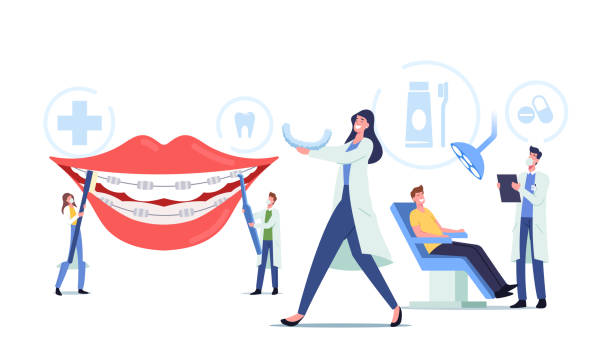

Long term oral health is not only about clean teeth. It is about how your teeth fit, how your jaw works, and how your smile holds up as you age. Orthodontists plan for that long view. They look at tooth position, bite, and jaw growth, then guide them into a stable pattern. As a result, you can chew with less strain, clean your teeth with less effort, and avoid many painful problems later. Crooked or crowded teeth trap plaque. A poor bite wears teeth down and stresses joints. Early and thoughtful orthodontic care cuts these risks. It also supports clear speech and calm confidence in social moments. Treatment options now fit many lives. Braces, clear aligners, and services such as Invisalign in Bellevue, WA all aim at the same goal. You keep strong teeth and a steady bite for decades, not just during treatment.
Why Tooth Alignment Matters For Your Health
Teeth that line up well are easier to clean. That simple fact protects you from gum disease and tooth decay. The National Institute of Dental and Craniofacial Research explains that plaque and bacteria around the gums cause ongoing infection. Crowded teeth give that plaque more hiding spots.
When your bite is off, your body pays a price. You may notice
- Chipped or worn teeth from grinding
- Jaw pain or tightness
- Headaches after long chewing
Orthodontists study how teeth and jaws work together. They use that training to move teeth into positions that spread chewing forces. That protects enamel and helps jaw joints move in a smooth path. Steady joints and even pressure lower the chance of long-term pain.
Orthodontists As Long Term Health Partners
Orthodontic care is not only about a straight smile in photos. It is about planning your mouth for the rest of your life. Orthodontists think in stages.
- Early childhood. Watch jaw growth and guide harmful habits like thumb sucking.
- Teen years. Move permanent teeth into better positions as the face finishes growing.
- Adult years. Correct old crowding, close spaces, and support worn teeth.
Each stage supports the next one. When teeth meet well in youth, the gums and bone carry less strain later. That lowers the risk of loose teeth and tooth loss. The Centers for Disease Control and Prevention links gum disease with tooth loss and other health problems. Straight teeth make daily brushing and flossing more effective, which helps you avoid that path.
Benefits You Feel Every Day
Orthodontic treatment touches many parts of daily life. You may notice
- Cleaner teeth with less bleeding when you brush
- Smoother chewing with less jaw fatigue
- Clearer speech
- More ease in social and work settings
These changes are not cosmetic extras. They influence how you eat, talk, and relate to others. A steady bite also protects dental work. Crowns, fillings, and implants last longer when biting forces are balanced. That can save time and money over many years.
Comparing Common Orthodontic Options
Different treatments can reach the same health goal. Each option has strengths. This simple table can help you see how they compare.
| Treatment type | Best for | Visibility | Removable | Typical daily effort |
|---|---|---|---|---|
| Traditional metal braces | Most bite and crowding problems | High | No | Careful brushing and flossing around brackets |
| Ceramic or tooth colored braces | People who want less visible brackets | Medium | No | Similar cleaning needs as metal braces |
| Clear aligners | Mild to moderate crowding or spacing | Low | Yes | Wear 20 to 22 hours and clean trays each day |
| Lingual braces | People who want braces hidden behind teeth | Very low | No | More careful cleaning and slower speech at first |
Your orthodontist matches these tools to your mouth, your age, and your daily life. The goal stays the same. You get a bite that works well and teeth that last.
Why Early Evaluation Helps Families
Parents often wonder when to bring a child to an orthodontist. Many experts suggest a first check by age seven. At that age, a mix of baby and adult teeth shows how the jaw is growing.
An early visit can
- Spot crowding before it gets worse
- Guide jaw growth with simple devices
- Reduce the need for tooth removal later
- Shorten treatment time in the teen years
Early checks do not always lead to braces right away. They give you a clear plan. That knowledge reduces fear and helps your family prepare for future care.
The Role Of Retainers In Protecting Your Results
Teeth always try to drift back toward old positions. That is why retainers matter for long-term health. After active treatment ends, you wear a retainer as directed. This may be each night or a set number of hours.
Retainers
- Hold teeth in their new positions
- Let bone and gums adapt around them
- Protect the time and cost you invested
When you stop wearing a retainer, teeth can shift. That movement can bring back crowding, cleaning trouble, and bite strain. A simple habit at night can prevent years of regret later.
Working With Your Orthodontist For Life
Orthodontic care does not replace brushing, flossing, and regular cleanings. It strengthens them. Straight teeth and a balanced bite make every other step of oral care more effective.
You can support that work when you
- Keep all scheduled visits
- Follow food and care instructions
- Wear elastics and appliances as directed
- Continue regular checkups with your general dentist
When you and your orthodontist work as a team, treatment often moves faster and feels smoother. The result is a mouth that works well today and holds up under tomorrow’s stress. That is the true role of orthodontists in long-term oral health. They help you keep strong teeth, steady jaws, and a confident smile for the rest of your life.