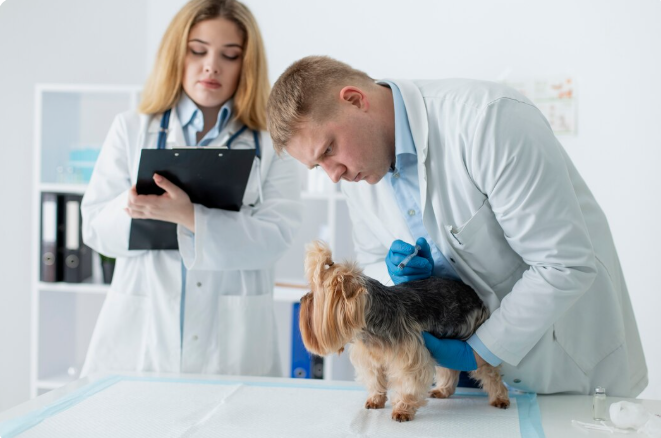

You might be reading this with your stomach still in a knot. Maybe you remember the last time your pet suddenly limped, started vomiting, or just “wasn’t themselves,” and you found yourself scrolling, calling, and begging for an appointment with a veterinarian in Midlothian, Virginia. You were stuck between a regular vet that was booked out for days and a crowded emergency room that felt overwhelming and expensive.end
That moment changes how you see pet care. Before, the vet was a routine stop for vaccines and checkups. After a scare, you start wondering how you are supposed to get help quickly when something feels urgent, but not life threatening. You are not alone in that tension, and you are not overreacting. The system really is strained right now.
The short version is this. Veterinary medicine is shifting toward new models of veterinary urgent care that sit between general practice and full emergency hospitals. These clinics are designed to handle same day needs, extend hours, use technology in smarter ways, and support both pet owners and overworked veterinary teams. If you understand how these models work and how to use them, you can reduce stress, avoid unnecessary ER visits, and get more predictable care for your pet.
Why does getting timely care for your pet feel so hard right now?
To understand where innovative veterinary care models are heading, it helps to sit with what is going wrong today. Many pet owners describe the same pattern. They call their regular vet. The receptionist is kind but says the next open appointment is next week. They are told to try an emergency hospital if it cannot wait. At the ER, the wait is hours, the cost is high, and the case may not truly be an emergency, but it is too risky to ignore.
This is not about you being demanding. It is about a system under pressure. There is a national shortage of veterinarians and support staff. Pet ownership has grown. Medical standards are higher. That is good for animal health, but it also means each case can take more time, more diagnostics, and more follow up. Because of this tension, you may feel you have to choose between “wait and worry” or “rush and overspend.”
Imagine your dog eats something odd in the evening. He is alert, breathing normally, but vomiting. Your general practice is closed. The ER is open, but you know it is packed and expensive. You sit on the floor with him, searching online, trying to judge the risk. You are afraid of both choices. If you go, you fear the bill and the chaos. If you stay home, you fear missing something serious. That emotional whiplash is exhausting.
On top of that stress, there are financial and practical concerns. Emergency hospitals are designed for the worst cases. They have specialists, advanced imaging, and intensive care. The cost reflects that. For many families, using emergency care for every urgent but not critical situation is simply not sustainable. Staff at those hospitals are also stretched, which can lead to longer waits and burnout for the people caring for your pet.
So where does that leave you when something cannot wait, but does not seem like a true emergency?
How are new veterinary urgent care models changing the picture?
This is where newer animal urgent care and “urgent care style” clinics enter the story. They are designed to bridge the gap between a daytime general practice and a full emergency hospital. Think of them as the place for “I am worried and it is time sensitive, but my pet is stable.”
These clinics often focus on same day access, extended hours, and a specific type of case. Things like minor wounds, ear infections, eye issues, mild vomiting or diarrhea, lameness, allergic reactions without breathing trouble, and other problems that cannot wait days, but usually do not require intensive care.
Some models, such as those described in this Cornell discussion of urgent care practice development, explore how to structure staffing, technology, and triage so teams can work more efficiently without sacrificing compassion. Others, like the program outlined through Atlas Veterinary Urgent Care’s collaboration with Ohio State, show how urgent care clinics can also train future veterinarians in these fast paced, focused environments.
Underneath the different brands and models, a few themes repeat.
Many urgent care clinics offer online check in or virtual triage so you are not sitting in a lobby for hours without answers. Some use telehealth for quick follow up, rechecks, or medication questions. Teams are trained to recognize what truly must go to a 24 hour ER, and what can safely be treated in clinic, which protects your pet and your budget.
At the same time, these models can actually relieve pressure across the system. When urgent care clinics take on non critical but time sensitive cases, general practices can focus on ongoing care and chronic conditions, and emergency hospitals can focus on life threatening emergencies. Everyone is used more appropriately. Your pet is less likely to be “stuck in the middle.”
How do urgent care, emergency, and general practice compare in real life?
It can still be confusing to know where to go when something happens. A simple comparison can make choices clearer when you are stressed and time is short.
| Type of Veterinary Care | Typical Use | Examples of Problems | Cost Range (Relative) | Average Wait Experience |
| General Practice | Routine and ongoing care | Vaccines, wellness exams, chronic disease management | Lowest | Short once you have an appointment, but visits may be booked days or weeks out |
| Veterinary urgent care | Same day, time sensitive but stable problems | Ear infections, minor wounds, mild vomiting, lameness without severe pain, eye redness | Moderate | Walk in or same day spots, some wait, often managed with online check in or triage |
| Emergency / Specialty Hospital | Life threatening or very complex cases | Severe breathing trouble, collapse, uncontrolled bleeding, major trauma, seizures | Highest | Can be long, based on severity. Critical cases are seen first |
Of course, every pet and every situation is different. A “mild” problem can become serious if it is ignored. That is why triage, either by phone, video, or in person, is so important in any modern urgent vet care model.
What can you do right now to prepare for urgent care needs?
You cannot predict every accident or illness. You can, however, lower the panic level when something does happen. A few practical steps make a real difference.
1. Map out your local care options before you need them
Take 20 minutes on a calm day and look up what is actually available near you. Identify your primary vet, the nearest 24 hour emergency hospital, and any animal urgent care clinics in your area.
Write down their hours, addresses, and phone numbers. Save them in your phone under clear names like “Dog vet primary,” “Cat ER hospital,” or “Pet urgent care.” Many clinics list what conditions they handle on their websites. Read these once and you will feel less lost when a problem appears.
2. Ask your regular vet how they use urgent care partnerships
At your next appointment, ask your veterinarian what they recommend if your pet has an urgent problem outside their normal hours. Some clinics have formal relationships with nearby urgent care or ER hospitals. Others may offer same day “squeeze in” slots for specific concerns.
This simple question can reveal a lot about how your care team thinks about access, technology, and referrals. It also tells you whom to call first when you are unsure. Clear guidance before a crisis can prevent a lot of late night panic.
3. Build a basic plan and budget for urgent visits
Even the best veterinary urgent care models cannot remove cost entirely, but you can plan for it. Consider setting aside a dedicated pet emergency fund, even if it grows slowly. If you have pet insurance, review what it covers for urgent or emergency visits and how claims are handled.
Post a simple checklist on your fridge or notes app for urgent situations. It might say “Check breathing, check gums, note appetite and bathroom habits, call primary vet or urgent care, bring medications and recent records if you go in.” When you are scared, following a written plan feels steadier than trying to think from scratch.
Where does this leave you and your pet?
You are not wrong to feel that getting timely care for your pet has become more complicated. It has. Yet you are not powerless in this shift. As veterinary urgent care and other innovative models grow, you gain more options that are designed for the exact situations that used to leave you stuck between “wait it out” and “rush to the ER.”
By understanding how these clinics fit between regular practices and emergency hospitals, mapping your local options, and having a simple plan, you can move through the next urgent situation with more clarity and less fear. Your pet still may scare you from time to time. That is part of loving an animal. But you will not be facing the unknown in the same way.
The next time your pet worries you, remember that there are new paths opening in veterinary care. Reach out to your trusted veterinary team, ask about urgent care options near you, and give yourself credit for planning ahead for the animal who depends on you.