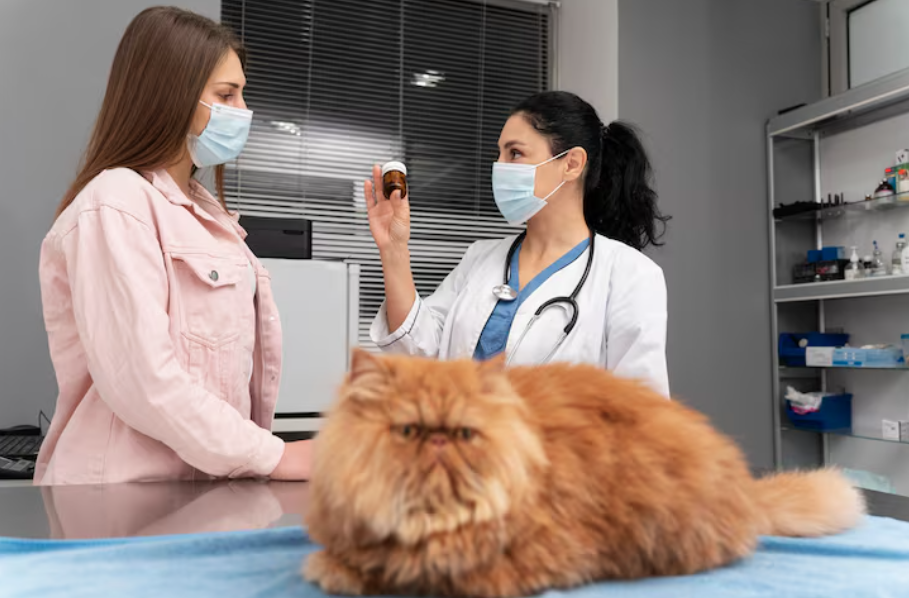

You might be feeling like your whole world split into a “before” and “after” the day you heard the word cancer about your pet. Before, life was mostly about walks, naps, and small routines, or even searching for kitten wellness North York when things were simpler. After, it became about test results, treatment plans, new bills, and a quiet fear that sits in your chest even on good days.end
If that is where you are, you are not alone. Many families sit in their car outside the veterinary clinic and cry before they walk in. You may be torn between hope and realism, between wanting to try everything and worrying about your pet’s comfort and your own limits. Because of this tension, you might wonder what a veterinary clinic can really do, beyond tests and medicine, to make this easier for your pet and for you.
The short answer is that good clinics focus on comfort just as much as they focus on treatment. They work to ease pain, reduce fear, and support you emotionally so each day still has moments of peace and connection. They use tools from advanced oncology services to simple, gentle handling and clear communication. Understanding how veterinary cancer care works at its best can help you choose the right team and feel a little less lost in the process.
Why does cancer feel so overwhelming and how do clinics respond?
Cancer in a pet does not show up as just a medical problem. It shows up as a knot of questions. How long do we have. Will they suffer. Can we afford this. Are we making the right choices. On top of that, your pet may be tired, nauseated, or in pain, and you might feel guilty that they do not understand what is happening.
Many veterinary oncology teams know this and build their care around three main challenges. Your pet’s physical comfort. Your pet’s emotional safety. Your family’s capacity to cope with decisions and costs.
On the medical side, oncology services at teaching hospitals, such as those described by Washington State University’s veterinary oncology program, focus on tailored treatment. That can mean chemotherapy, radiation, surgery, or palliative care. What often surprises people is that, for many pets, cancer treatment is not like human treatment. Side effects can be milder because the goal is quality of life, not pushing the body to the limit.
On the emotional side, clinics train their staff to read body language, move slowly, and create a calm space. Some clinics use low-stress handling, separate dog and cat waiting areas, soft bedding, and quiet exam rooms. Because of this approach, many pets tolerate frequent visits better than their owners expect.
So where does that leave you when you are trying to decide what is right for your pet.
What are the hardest parts for families and how can a veterinary clinic ease them?
Think about three common “pressure points” for families dealing with pet cancer. Uncertainty, guilt, and financial strain.
Uncertainty shows up in questions. Are we buying time that feels good to our pet, or just time. How do we know when enough is enough. Clinics that focus on comfort will talk openly about prognosis and quality of life. They will explain what to expect from each treatment, how often you will need to come in, and what good days and bad days might look like. For example, Oregon State University’s hospital explains in clear terms what to expect from a veterinary oncology visit. That kind of clear outline can be deeply calming when everything feels uncertain.
Guilt often comes from feeling like you might be failing your pet if you choose less aggressive treatment or focus on comfort care. A thoughtful veterinary team will remind you that your job is not to cure at all costs. Your job is to protect your pet’s comfort and dignity. They can help you track quality of life with simple tools. Things like daily appetite, interest in family, ability to move without severe pain, and enjoyment of favorite activities. When you have this framework, decisions become less about guilt and more about compassion.
Financial strain is real and can be heavy. You may be balancing rent, kids, other pets, and now oncology bills. A supportive clinic will be honest about costs early. They will explain different paths for care, from full treatment plans to focused palliative care that emphasizes pain relief and comfort at home. You should never feel shamed for asking about cost or choosing a plan that fits your reality.
When you put all of this together, you start to see that comfort is not just a soft word. It is a guiding principle for the entire process of pet cancer treatment.
How does comfort-focused cancer care compare to a more aggressive approach?
It can help to see the differences between a comfort-centered plan and a more aggressive plan laid out side by side. This is not about right or wrong. It is about what fits your pet and your family.
| Aspect | Comfort-Focused Veterinary Cancer Care | More Aggressive Treatment Approach |
|---|---|---|
| Main goal | Quality of life, pain control, low stress | Maximum tumor control, longer survival time if possible |
| Typical treatments | Pain medication, anti-nausea drugs, appetite support, gentle procedures, occasional low-dose chemo or radiation | Full-dose chemotherapy, complex surgery, multiple diagnostics, radiation series |
| Clinic visits | Less frequent, focused on comfort checks and home-care support | More frequent, structured schedule for treatments and monitoring |
| Pet experience | Shorter visits, quieter handling, fewer invasive tests | More pokes and procedures, often still well tolerated but more demanding |
| Family involvement | Emphasis on home routines, comfort measures, and recognizing “good day vs bad day” signs | Emphasis on keeping to treatment schedules and monitoring for side effects |
| Emotional focus | Preparing for change, creating meaningful time, reducing fear | Balancing hope for more time with honest talk about trade-offs |
Many families choose something in between. For example, a period of treatment to shrink a tumor, then a shift to comfort care when the pet starts to slow down. A good veterinary clinic will revisit the plan often so it continues to match your pet’s needs, not just the original diagnosis.
What can you do right now to support your pet’s comfort?
Even when the situation feels out of your control, there are clear steps you can take that make a real difference today.
1. Ask detailed questions about comfort, not just about cure
When you meet with your veterinary team, bring a short list of questions that go beyond “How long will my pet live.” For example. What will you do to control pain. How will we manage nausea or diarrhea if they happen. What signs should tell me my pet is having a bad day versus an emergency. How can we adjust the plan if my pet seems stressed by visits. These questions signal to the clinic that comfort is your priority, and they help you leave with a clearer picture of what life at home will look like.
2. Create a gentle, predictable routine at home
Comfort does not happen only at the clinic. Your home environment matters just as much. Try to keep feeding times, walks, and rest periods predictable. Offer soft bedding in a quiet spot. Make it easy for your pet to reach water, food, and the outdoors without stairs if possible. Short, calm interactions can be better than long, tiring play. Many pets with cancer do well when their days feel familiar and safe, even if their body is changing.
Pay attention to small joys. A warm patch of sunlight. A slow walk to the mailbox. A favorite toy or blanket. These are not small things to your pet. They are the moments that make whatever time you have feel like a real life, not just a medical story.
3. Build your own support system
Your pet feels you. If you are overwhelmed and alone with this, it is harder to make choices and to be present. Reach out to your clinic and ask if they can recommend support groups, grief counselors, or online communities for families facing pet cancer. Many veterinary teams understand that supporting you is part of supporting your pet. If you share your fears honestly, they can often adjust communication, offer more frequent check-ins, or connect you with resources you did not know existed.
You can also ask if there is a primary contact person at the clinic for your pet’s case. Having one nurse or doctor who knows your story can spare you from repeating painful details each time you call.
Finding steady ground when your pet has cancer
Cancer changes the story you thought you were living with your pet, and that hurts. Yet within this hard chapter, there is still room for comfort, connection, and even moments of simple happiness. Thoughtful veterinary clinic teams work every day to protect those moments through careful pain control, low-stress handling, honest conversation, and support for your whole family.
You do not have to have every answer today. Start by asking your current clinic how they focus on comfort. If something does not sit right, consider seeking a second opinion with a veterinary oncologist who can walk you through options that fit your pet and your life.
Your love for your pet is already clear. With the right veterinary partners, that love can guide choices that bring as much ease as possible, one day at a time.