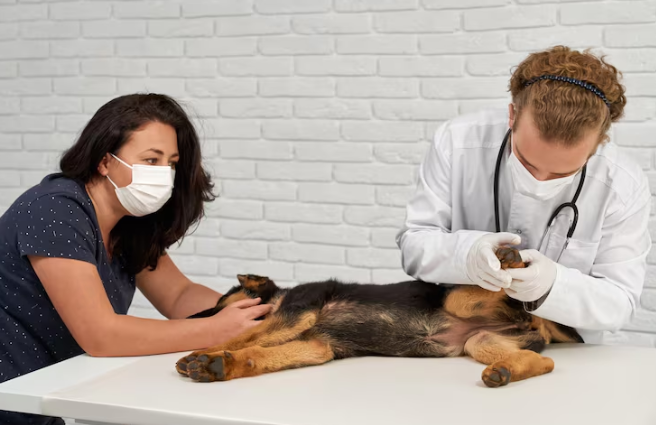

Your pet depends on you for everything. Food. Safety. Love. Yet one quiet habit protects your pet’s life more than anything else. Routine checkups. You might only notice changes when your pet limps, hides, or stops eating. By then, problems have often grown for months or years. Regular exams catch silent threats early. Heart disease. Dental infection. Weight gain. Kidney trouble. Skin disease. Each one chips away at your pet’s comfort and lifespan. Routine care helps your pet stay active longer. It also lowers emergency costs and stress. During checkups, your East San Jose veterinarian checks eyes, ears, teeth, heart, lungs, joints, and weight. Then you get clear steps you can follow at home. No guesswork. No guilt. Just simple choices that keep your pet here with you. This blog explains how routine visits turn into extra healthy years for your dog or cat.
Why routine checkups matter more than you think
Most pets hide pain. You see a wagging tail or a steady purr and assume all is fine. Inside the body, slow damage can build without clear signs.
Routine checkups give your veterinarian a baseline. This means your vet knows what is normal for your pet. Any shift in weight, heart rate, or lab tests stands out. Then you can act early.
You protect your pet in three main ways.
- You catch the disease early when treatment works better.
- You prevent problems through vaccines, parasite control, and diet.
- You plan care as your pet ages, so change never feels sudden.
The American Veterinary Medical Association explains that dogs and cats need exams at least once a year. Many pets need visits more often as they age.
What happens during a routine visit
Routine visits follow a clear pattern. Each step gives you new facts about your pet’s health.
- History. You share changes in appetite, thirst, mood, or activity.
- Full exam. Your vet checks eyes, ears, mouth, skin, heart, lungs, belly, and joints.
- Weight check. Even small weight gain or loss can signal trouble.
- Teeth and gums check. Gum disease can affect the heart, liver, and kidneys.
- Vaccines and parasite control. Your vet updates protection against common threats.
- Lab tests. Blood, urine, or stool tests can reveal hidden disease.
Each visit ends with a simple plan. Food. Exercise. Home care. Next steps. You walk out with clear actions, not fear.
How checkups extend your pet’s life
Routine care adds years by finding and slowing common problems. Three of the most common are weight gain, dental disease, and silent organ disease.
1. Weight checks prevent long-term damage
Extra weight puts pressure on joints and the heart. It also raises the risk of diabetes. A few pounds can cut years from your pet’s life.
During each visit, your vet tracks weight and body shape. Then you get a clear feeding and exercise plan. Small changes in food and play often protect joints and organs.
2. Dental exams protect the whole body
Dental disease is common in pets over age three. Infection in the mouth spreads through the blood. It can damage the heart, liver, and kidneys.
Routine checkups catch early plaque and gum redness. Your vet can suggest cleaning, brushing, or special food. This care protects comfort and lifespan.
3. Screening tests catch “silent” disease
Kidney disease, heart disease, and thyroid disease grow slowly. Your pet may act normally while organs struggle.
Simple blood and urine tests can show problems years before clear signs appear. The U.S. Food and Drug Administration explains how certain medicines affect pets and why blood tests matter.
Early treatment often means a longer, more comfortable life.
How often you should schedule exams
Every pet is different. Age, size, and health shape the schedule. The table gives general guidance. Your vet may adjust this plan.
| Pet life stage | Approximate age | Suggested visit frequency | Main goals of visits |
|---|---|---|---|
| Puppy or kitten | Birth to 12 months | Every 3 to 4 weeks until vaccines are complete. Then every 6 to 12 months. | Vaccines. Parasite control. Growth checks. Behavior guidance. |
| Adult | 1 to 6 years for dogs. 1 to 7 years for cats. | At least once per year. | Weight control. Dental checks. Early disease screening. |
| Senior | Over 7 years for most pets. Over 10 years for some small dogs and cats. | Every 6 months or as your vet advises. | Blood and urine tests. Pain checks. Organ function tracking. |
You can use this schedule to plan ahead. Mark visits on your calendar. Treat them as fixed, like school or work.
Costs, emergencies, and peace of mind
Many families wait to see a vet until there is a crisis. A sudden emergency visit often costs more money and brings more fear.
Routine checkups spread costs over time. Early care often means simpler treatment. This often costs less than surgery or long hospital stays.
You also gain peace of mind. You know you are not missing hidden pain. You can talk about money and limits during calm visits. Then you and your vet can plan care that fits your budget and your values.
How to prepare for your pet’s next checkup
You can make each visit count. Three simple steps help.
- Write a list of changes you have seen. Eating. Drinking. Breathing. Moving. Mood.
- Take photos or short videos of anything odd. Limping. Coughing. Shaking.
- Bring records of food, treats, and medicines. Include supplements and over-the-counter products.
These details help your vet see the full picture. Small clues often point to early disease. Honest answers also help your vet build a plan that you can follow.
When to call between routine visits
Routine checkups do not replace urgent care. You should call your vet right away if you see any of these signs.
- Sudden trouble breathing.
- Not eating for more than 24 hours.
- Repeated vomiting or diarrhea.
- Collapse or seizures.
- Bleeding that does not stop.
- Strong pain. Crying. Refusal to move.
Routine visits make these emergencies less common. They also help your vet treat your pet faster because records are current.
Your next step
You cannot control time. You can control how you protect your pet’s body as the years pass. Routine checkups are the simplest way to gain more good days together.
Call your veterinarian and schedule the next visit now. Treat that call as an act of love. Your pet gives you trust every day. Routine care gives some of that care back and often adds precious extra years to share.