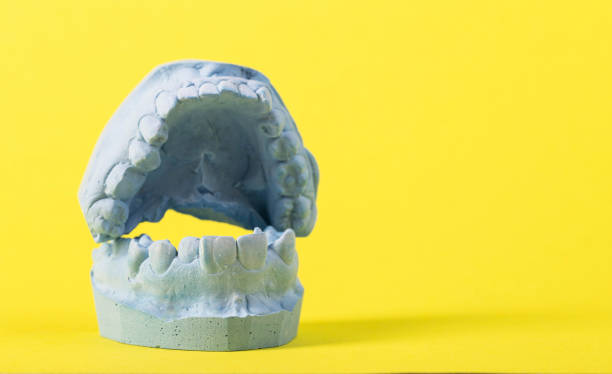

Healthy speech and jaw growth shape how you eat, breathe, and speak. Early orthodontic care guides these changes before small problems become permanent. Crooked teeth and a narrow jaw can affect how your tongue moves. They can change certain sounds, wear down teeth, and strain jaw joints. Early braces, expanders, or aligners can open space, guide bone growth, and support clear speech. They can also improve chewing and help you sleep with fewer breathing problems. Many parents first hear about these options during a visit with a pediatric dentist in West Covina. You may feel worry or guilt when you hear that your child needs orthodontic care. That reaction is common. Yet early action gives your child a better bite, a more relaxed jaw, and clearer speech. This guide explains how orthodontic treatment shapes the growing jaw and supports strong speech from childhood through the teen years.
Why jaw growth matters for speech
Your child’s jaw holds the teeth, tongue, and lips in place. These parts must work together for clear speech. When the jaw grows too small or too far forward or back, the tongue and lips cannot move in a smooth way.
Common growth problems include:
- Upper jaw too narrow
- Lower jaw set back or pushed forward
- Open bite where front teeth do not touch
Each pattern can block certain sounds. It can also strain muscles in the face and neck. The National Institute of Dental and Craniofacial Research explains that jaw growth and tooth alignment affect how you chew and speak throughout your life. /p>
How crooked teeth change speech
Teeth guide the tongue and shape the air that leaves your mouth. When teeth tilt or crowd, the tongue may press in the wrong place. That can blur sounds or cause a lisp.
Speech sounds that often change include:
- S and Z sounds that need a thin stream of air
- T, D, and N sounds that need a firm tongue tip on the front teeth or ridge
- F and V sounds that need the top teeth on the lower lip
When teeth do not meet in the front, air can escape through the gap. That makes it hard to control these sounds. Braces and clear aligners move teeth into a straight row. That gives the tongue a clear path and a firm edge to touch for each sound.
Orthodontic tools that guide jaw growth
Early care often uses simple tools to guide bone growth. You may hear about these three options:
Common orthodontic tools and their main effects
| Treatment | Main purpose | Common speech and jaw effects |
|---|---|---|
| Palate expander | Widen the upper jaw | Creates tongue space. Can reduce crossbite and nasal crowding. |
| Braces | Straighten teeth and adjust bite | Improves tooth contact for S, T, and F sounds. Supports steady chewing. |
| Clear aligners | Move teeth with thin trays | Aligns teeth for speech and chewing. Trays may cause short term lisp. |
These tools work best while your child is still growing. Bone responds to light, steady pressure. That is why early care can guide the jaw instead of only moving teeth.
Short term speech changes during treatment
Every device in the mouth changes speech at first. You may hear a lisp, extra saliva sounds, or slower speech. This stage feels rough for many children.
You can support your child with three simple steps:
- Plan short reading out loud each day
- Practice common words that feel hard
- Stay patient and praise steady effort
Most children adjust in one to two weeks. The tongue learns the new path. Speech then often sounds clearer than before treatment.
When orthodontics and speech therapy work together
Sometimes, tooth and jaw changes alone do not fix speech. The tongue may hold old habits. In that case, a speech-language pathologist can teach new patterns once the teeth and jaw are in better positions.
Joint care can help when your child has:
- A long term lisp
- Open mouth posture or tongue thrust
- History of ear or hearing problems
The American Speech Language Hearing Association gives clear parent guides on speech and language milestones and treatment options.
Jaw growth, breathing, and sleep
A narrow upper jaw and crowded teeth often link with mouth breathing. When your child sleeps with an open mouth, the tongue falls back. That can reduce airflow and lead to restless sleep.
Orthodontic care can:
- Create more space for the tongue
- Support a closed mouth at rest
- Reduce strain on jaw joints and neck muscles
Better sleep supports focus, mood, and growth. Clearer speech then comes more easily because your child has more energy and control.
Signs your child may need an orthodontic check
You do not need to wait for adult teeth to see an orthodontist. Many children benefit from a first check around age seven. You can watch for three groups of signs.
Watch the teeth:
- Crowding or teeth that overlap
- Front teeth that do not meet
- Jaws that shift when your child bites
Watch the face and jaw:
- Chin that sticks out or sits far back
- Frequent jaw or face pain
- Clicking in the jaw joint
Watch speech and breathing:
- Lisp that does not fade
- Snoring or open mouth sleep
- Struggle with S, T, or F sounds even after practice
How to talk with your child about treatment
Orthodontic care can stir fear, anger, or shame. Your words can calm those feelings. Speak in clear, simple terms.
You can say:
- This will help your teeth and jaw work as a team.
- Your speech may sound different for a short time. Then it will likely sound clearer.
- You are not alone. Many children wear braces or expanders.
Invite your child to ask questions. Let them help choose things like brace colors when possible. That small control can ease stress.
Taking the next step
Early orthodontic care does more than straighten teeth. It shapes how your child speaks, eats, and rests. When you see concerns, start with your regular dentist or a trusted pediatric dentist. Ask direct questions about jaw growth, speech, and breathing.
You cannot change the past. You can act now. Each small step, from an exam to a simple expander, can move your child toward a more stable bite, calmer jaw muscles, and clearer speech that supports confidence in every setting.