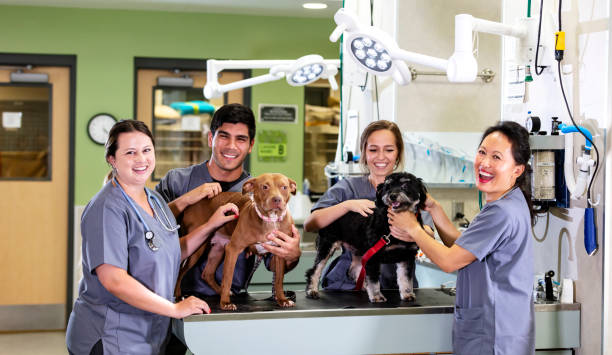

You want your pet to feel safe, strong, and calm. Routine wellness care at an animal hospital protects that comfort. It does more than treat sickness. It prevents pain. It spots small problems early. It supports your pet through every stage of life.
Every visit should cover three simple goals. First, check the body from nose to tail. Second, update vaccines and parasite control. Third, guide you on food, movement, and behavior.
A trusted North Cucamonga veterinarian understands how stress, age, and home life shape health. That insight turns a basic checkup into true wellness care. Regular exams, blood work, and dental care work together to keep your pet stable.
This blog explains how animal hospitals build a full plan for your pet’s wellness. It shows what to expect at each visit. It also helps you ask clear questions that protect your pet’s health.
Why regular wellness visits matter
Pets hide pain. You may not see early signs. A wellness visit gives your pet a voice. It lets a trained team spot a change before it grows into a crisis.
At a wellness visit, the team looks at three things. They review medical history. They examine the body. They talk with you about life at home. Each part reveals risk and need.
The American Veterinary Medical Association explains that routine care improves length and quality of life. You can read more at AVMA general pet care. That guidance matches what animal hospitals do every day. They use simple steps that protect health over time.
Core parts of wellness care
Most animal hospitals build wellness care around a clear set of services. These pieces work together.
- Physical exam
- Vaccines
- Parasite control
- Nutrition and weight support
- Dental care
- Behavior support
- Screening tests
Each part serves a purpose. Together, they form a safety net.
Physical exams and screening tests
The hands-on exam is the basis of wellness care. The veterinarian checks eyes, ears, mouth, skin, heart, lungs, belly, joints, and nerves. Small changes in weight, heart sound, or skin can point to deeper disease.
Next, simple tests fill in what you cannot see. Common screening tests include blood work, urine tests, and fecal tests. They check organ function, sugar, infection, and hidden parasites.
Common wellness tests and what they can find
| Test | What it checks | Examples of problems found |
|---|---|---|
| Blood chemistry | Liver and kidney function | Early kidney disease, liver stress |
| Complete blood count | Red and white blood cells | Anemia, infection, some cancers |
| Urinalysis | Kidney and bladder health | Urinary infection, crystals, kidney strain |
| Fecal exam | Intestinal parasites | Roundworms, hookworms, Giardia |
The Centers for Disease Control and Prevention explain how parasites harm both pets and people. You can see details at the CDC Healthy Pets disease list. That is one reason screening tests matter so much.
Vaccines and parasite control
Vaccines protect your pet from serious disease. Core vaccines shield against common and deadly infections. Other vaccines match your pet’s risk from travel, boarding, or wildlife.
Parasite control guards your home. Fleas, ticks, and worms cause pain and can spread disease to people. Your veterinarian will suggest products that fit your pet, your climate, and your budget.
Ask three clear questions.
- Which vaccines are needed this year
- Which parasites are common in your town
- How often you should give prevention
Nutrition, weight, and movement
Food shapes health every day. Too much food or the wrong food can strain joints, heart, and organs. Too little food or poor quality food can slow growth and weaken the immune system.
Your animal hospital will check body weight and body shape. They may use a body condition score to show if your pet is lean, ideal, or heavy. Together you can set three steps. Adjust the amount of food. Choose the right type of food. Plan simple daily movement like walks or play.
Even a small weight change can change the risk of diabetes or arthritis. Honest talk about treats and table scraps gives your pet a better chance at a long life.
Dental care that protects more than teeth
Dental disease causes constant pain. It also spreads bacteria through the blood. That can hurt the heart, liver, and kidneys.
Wellness care includes mouth checks and professional cleanings when needed. At home, brushing or dental chews can slow plaque. Your veterinarian can show you how to brush without stress. Start with short, calm steps. Reward quiet behavior. Stop before your pet fights.
Behavior and emotional health
Fear, anger, and sadness are health issues. Behavior change often comes before medical signs. A calm pet eats, rests, and learns better. A stressed pet may bite, hide, or destroy things.
Use wellness visits to talk about barking, litter box change, scratching, or clingy behavior. Early help can prevent injury to people and pets. The team may suggest training, a simple home change, or treatment for pain that drives behavior.
How often your pet should visit
Visit needs change with age.
- Puppies and kittens. Visits every few weeks for vaccines, parasite control, and growth checks.
- Adult pets. At least one wellness visit each year.
- Senior pets. Often, two wellness visits each year with more screening tests.
Chronic disease, past injury, or breed risk may need more visits. An honest talk with your veterinarian will set a clear plan.
Working with your animal hospital as a team
You know your pet’s habits. The animal hospital knows disease patterns and treatments. Together you form a strong team. Before each visit, write three short notes. Any change in eating or drinking. Any change in bathroom use. Any change in movement or mood.
Bring photos of food labels and any supplements. Bring a list of all medicines. This simple prep makes each visit sharper and more useful.
Wellness care is not extra. It is the base that keeps your pet steady through surprise. With steady visits, honest talk, and clear steps at home, you can protect your pet’s comfort and avoid many emergencies.