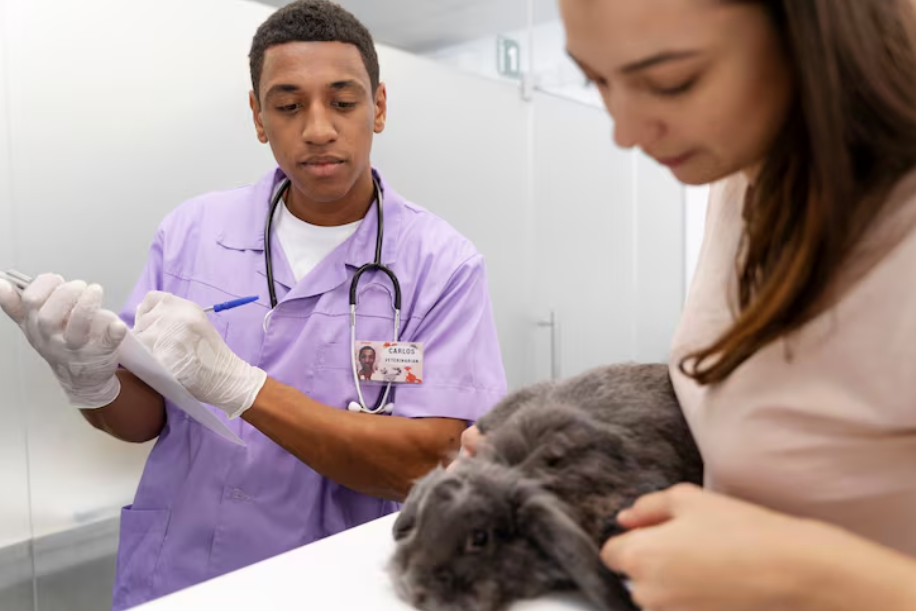

You might be feeling a mix of pride and worry right now. You chose an unusual companion, maybe a parrot, bearded dragon, rabbit, ferret, snake, or hedgehog. They feel special and a little fragile, and every time they act “off,” your mind starts to race. Is this normal for their species, or is something seriously wrong. Visiting an animal clinic in Clifton, VA can help you find answers and peace of mind.
It often starts with something small. A bird that eats a little less. A reptile that is quieter than usual. A rabbit that stops using the litter box. You search online, get ten different answers, and none of them feel specific enough for your pet. Because of this confusion, you begin to wonder if an animal hospital will even understand an exotic pet, or if they only really know dogs and cats.
Here is the short version. Good exotic pet veterinary care is different from standard dog and cat care. It requires special training, specific equipment, and a team that understands how prey animals and unusual species hide illness. When you find a hospital that truly knows exotic pets, you gain a partner who can read the quiet warning signs before they turn into emergencies, and who can guide you through each decision with clarity and respect.
Why does getting care for exotic pets feel so stressful in the first place
Part of the stress comes from how exotic pets behave. Many are prey animals. They are wired to hide pain and sickness because in the wild, looking weak means becoming a target. By the time you notice something is wrong, it can already be serious. That is a heavy weight to carry as a caregiver.
Another part comes from how uneven the veterinary world can feel for owners of exotic pets. Some clinics see an occasional rabbit or parrot. Others have entire teams dedicated to “avian and exotics.” It is hard to know who truly has deep experience and who is simply willing to “give it a try.” You do not want anyone guessing with a tiny body that can crash fast.
So where does that leave you. You are trying to watch for subtle signs, you are not sure which vet to trust, and you may also be worried about cost. Exotic pets sometimes need specialized tests or imaging, and the bills can surprise people who are used to basic dog and cat care.
There is also the emotional layer. You might feel judged for having a snake or a rat. You might feel people do not understand how attached you are to your lizard or your bird. When you walk into an animal hospital, you want to feel that your bond is respected, not dismissed.
How do animal hospitals actually care for exotic pets differently
To ease some of that anxiety, it helps to understand what happens behind the scenes in a hospital that truly knows how to care for exotics. That picture is more structured and thoughtful than many people realize.
First, there is training. Veterinarians and nurses who focus on exotic animals study species specific anatomy, behavior, nutrition, and husbandry. They learn how a rabbit’s gut works, why a ferret’s adrenal glands cause trouble, how a parrot’s lungs are built, and what temperature and humidity a reptile needs to heal. Many complete extra internships or residencies in zoological or exotic animal medicine, like the teams at the Cornell University Exotics Pet Service.
Second, there is equipment and handling. Exotic pets often need smaller, gentler tools and very specific handling so they do not overheat, panic, or injure themselves. An experienced team can safely restrain a frightened cockatiel or a wriggling ferret while protecting their spine and ribs. They use tiny IV catheters, specialized incubators, and accurate scales that can measure small weight changes that mean a lot.
Third, there is the environment. A hospital that understands exotic animals will plan for quiet wards for prey species, proper temperature control for reptiles, and isolation areas to reduce stress and disease risk in birds and small mammals. They know that a rabbit in a barking dog ward will not recover well.
Finally, there is a different approach to communication. Because exotic pets are less familiar to most people, a good team spends more time teaching. They explain how to read your pet’s body language, what normal appetite and droppings look like, and which warning signs mean “come in now.” They become your guide, not just an emergency stop.
If you want a sense of what a dedicated exotic animal hospital can offer, look at centers like the exotics service at North Carolina State University Veterinary Hospital, where the focus runs from tiny rodents to reptiles, birds, and unusual mammals.
Comparing “wait and see” at home with professional exotic pet care
When money or time is tight, it is tempting to “wait a day and see” with an exotic pet. Sometimes that is safe. Sometimes it is not. Comparing the two choices can help you decide when an animal hospital visit is worth it.
| DECISION | WHAT IT LOOKS LIKE IN REAL LIFE | SHORT TERM BENEFIT | POSSIBLE RISK FOR EXOTIC PETS |
| “Wait and watch” at home | You notice your rabbit is eating a bit less, or your gecko is quieter, and you decide to monitor for 24 to 48 hours. | No immediate cost. Less stress for pets that hate travel. Time to see if a minor issue resolves. | Rabbits can develop gut stasis within hours. Reptiles can hide serious infections. By the time signs are obvious, treatment is harder and more expensive. |
| Early visit to an exotic experienced animal hospital | You schedule an exam as soon as you notice changes in appetite, droppings, breathing, or behavior. | Problems are often caught earlier. Simple fixes like diet change or husbandry correction can prevent crisis. Peace of mind. | Visit cost and possible tests. Travel stress for some pets. You may hear that you worried “too early,” which can feel frustrating, even though it was safer. |
| Emergency visit only | You wait until your bird is fluffed, not moving much, or breathing hard, then rush in after hours. | Sometimes this is the only option when signs appear suddenly. You get urgent care and oxygen, fluids, or surgery if needed. | Higher emergency fees. Lower chance of full recovery if disease is advanced. Emotional shock of going from “fine” to critical in a day. |
The pattern is simple but important. Exotic pets often do best when you act on the small changes, not just the dramatic ones. A hospital that understands your species can help you decide which changes are small, and which are early warning signs you cannot ignore.
Three practical steps to protect your exotic pet’s health right now
1. Find and “pre establish” an exotic experienced hospital before you need one
Do not wait for a crisis to start searching for help. Call local animal hospitals and ask specific questions. Which species do you see every week. Do you have a vet with extra training in exotics. What equipment do you have for birds or reptiles. How do you handle emergencies after hours.
Once you find a good match, schedule a wellness exam while your pet is healthy. This visit builds a record of what “normal” looks like for your pet, gives the team a chance to handle them gently before they are sick, and gives you space to ask about diet, housing, and daily care. If trouble comes later, you will not be a stranger at the door.
2. Learn the early red flags for your specific species
Every exotic species has its own quiet warning signs. For rabbits, even 12 hours of not eating can be an emergency. For birds, fluffed feathers, sitting low on the perch, or changes in droppings matter. For reptiles, trouble shedding, swollen eyes, or subtle breathing changes can point to deeper issues.
Ask your vet to list the “call us right away” signs for your pet. Write them down and keep the list near the enclosure. Share it with anyone who helps care for your pet. This simple step can turn confusion into a clear plan when something looks off.
3. Build a simple care and emergency kit at home
You do not need a full clinic in your living room, but a few items can help you support your pet and give better information to your vet. Include a digital kitchen scale for small birds and mammals, a way to record weight and appetite, a safe carrier, recent photos of your setup, and any medications your vet has prescribed for known conditions.
Also keep your chosen hospital’s contact information and directions in an easy to reach place. In a stressful moment, you do not want to search for phone numbers or maps. Quick action matters in exotic pet care, and a little preparation can shave off the minutes that count.
Feeling less alone as you care for an exotic pet
Caring for an exotic pet can feel isolating. You may not have many people around you who understand why you worry when your snake refuses a meal or your parrot plucks a feather. The right animal hospital does more than treat illness. It gives you a team who sees what you see and takes your concerns seriously.
You do not have to know everything about your pet’s species. What you need is a willingness to notice changes, ask questions, and lean on professionals who have chosen to study these unique animals deeply. With that support, your rabbit, ferret, bird, reptile, or other exotic companion has a far better chance to live the long, comfortable life you hoped for when you brought them home.