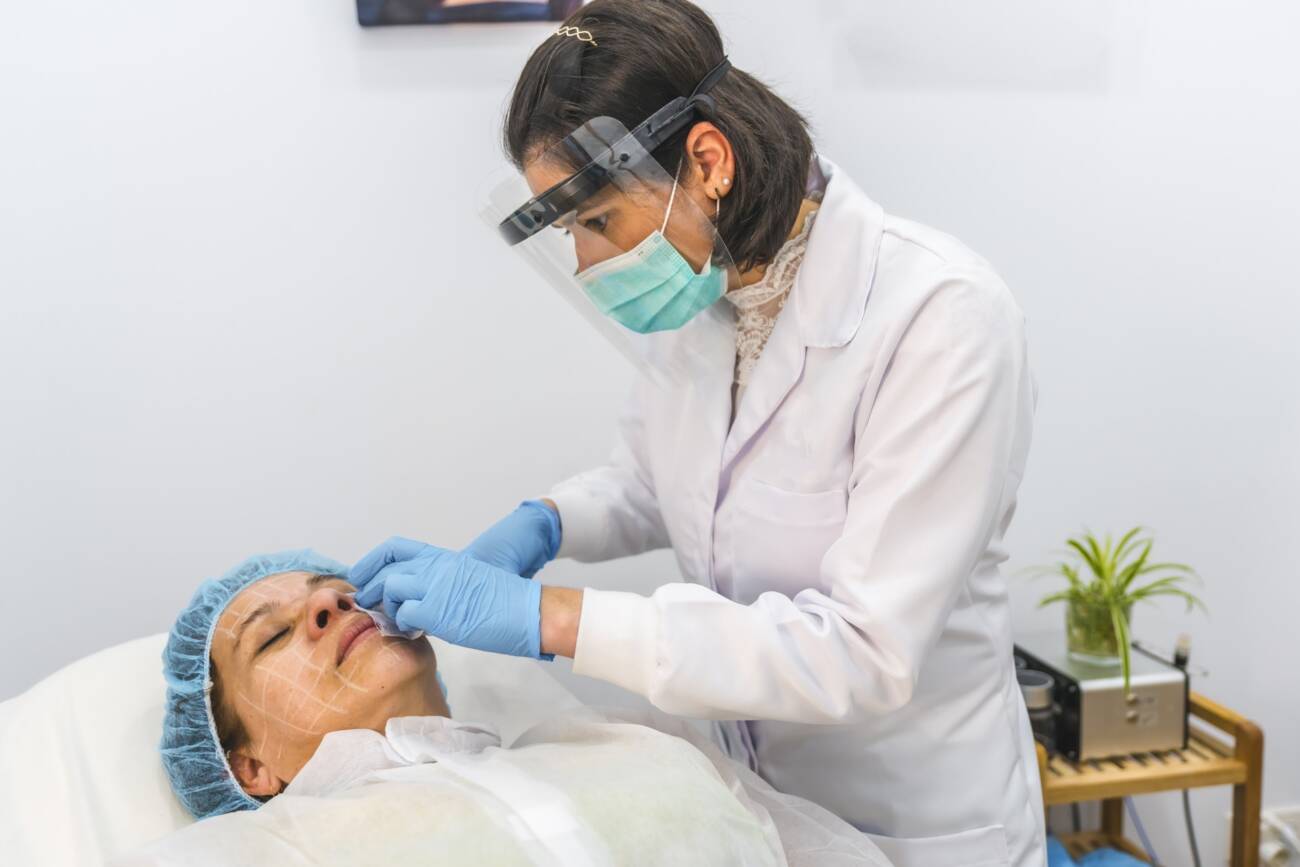

Skin issues are extremely common; in fact, almost everyone experiences them at some point. From breakouts and rashes to moles and dry patches, most people deal with skin problems that leave them wondering and worrying. Will it go away on its own? Will it spread? Is it dangerous? Will it leave a scar? Is there a treatment for it? Those are only a few of the questions people ask themselves when they’re facing unusual developments with their skin.
When those issues arise, most people aren’t quite sure if they should wait to see what happens or book an appointment with a dermatologist as quickly as possible. In some cases, they’re a bit embarrassed about seeing a dermatologist, especially if their skin problems are in sensitive areas or they look particularly troubling. Even though they know dermatologists are highly educated, trained, and certified to deal with issues like those, they still feel uncomfortable about talking to them.
A New Solution in Dermatology
Fortunately, there’s a new alternative available: an AI dermatologist. This solution uses smart technology to help people gain a better understanding of their skin concerns. It provides information and advice in a manner that’s private, convenient, and always available to those who need it. Take a closer look at how AI dermatology works and why it can be a helpful option for you to take advantage of.
What Is an AI Dermatologist?
An AI dermatologist is a digital tool. It uses artificial intelligence to assess skin issues based on information and photos you provide. It can examine things like rashes, acne, dark spots, rough patches, and many other problems. Then, it gives your insight into the problem you may be experiencing and what your next move should be. It has access to volumes of information most people can’t even fathom, and it’s fully capable of analyzing that data and weighing it against your information to provide straightforward, evidence-based answers.
AI dermatologists aren’t meant to be replacements for human dermatologists. However, they can work in conjunction with them. They give you a good starting point for addressing your concerns. They can help you better understand your symptoms and decide whether they can be treated at home or they’re best left to professionals.
Support at Your Fingertips
AI-powered dermatologists can place support for skin issues at your fingertips. You won’t need to wait days or weeks for an appointment with a human dermatologist to get the answers you’re looking for. You can simply turn to a virtual doctor via your phone or computer. They’re always available. No matter when you notice a new development, you can log in and have an interactive conversation about it.
This is helpful in several situations. It’s a great option for people who simply aren’t sure if they should be overly concerned with a skin problem. It’s also a wonderful alternative for those who live in areas where dermatologists aren’t readily available or those who are available have long waiting lists. It’s equally beneficial for people who have busy schedules or keep unusual hours.
Private Consultations
Additionally, consultations with AI dermatologists are private and secure. As mentioned, talking about skin problems can be uncomfortable for some people. Whether they’re dealing with an infected bump in an awkward place or a scar they received due to a traumatic experience, they’re embarrassed to talk to a doctor face to face.
If that applies to you, an AI-powered dermatology platform can give you stress-free environment in which to voice your concerns. Though you may need to upload photos and divulge private information about your issue, doing so with a virtual dermatologist can be far less awkward than with a human one. You won’t have to feel rushed or worry about being judged, either.
At the same time, when you turn to a reputable AI dermatology platform, you can rest assured your information will be kept private and secure. You won’t have to be concerned about it falling into the wrong hands. You’ll be able to get the information you need on your own time in the comfort of your own home without fear of inadvertently sharing your situation with others.
Getting Fast Answers to Your Questions
With an AI alternative, you’ll also be able to get fast answers to your questions instead of waiting until a local dermatologist has an opening. You won’t have to sort through page after page of search results to get the answers you seek. You won’t need to try dozens of home remedies and over-the-counter treatments with hopes of resolving your skin issues on your own, either. You’ll get definitive answers generated by advanced algorithms and evidence-based information.
You can also get expert advice on whether you should see a human dermatologist for further assistance. If you decide to see a doctor, you can use the information gained through your AI consultation to make that visit more effective. Doctors are already using artificial intelligence in many ways to provide better care for their patients from medical imaging and diagnostics to predicting how patients might respond to specific treatments.
Beyond Skin Problems
Having said all that, you don’t necessarily need to be suffering from a skin problem to get help and advice from an AI dermatologist. You can ask one questions about skin care as well. It can tell you which ingredients are truly best for anti-aging, acne, discoloration, sun damage, and other common concerns. It can help you develop a diet plan that’s rich in the vitamins, minerals, and other compounds your skin needs to stay healthy. Those are only a few of the possibilities. It can be your ally in proactively taking care of your skin.
Keeping Your Skin Healthy with Help from a Virtual Dermatologist
Everyone experiences skin issues at times. Though they sometimes go away on their own or with over-the-counter treatments, they can also be dangerous. Deciding which end of the spectrum your skin problems fall on isn’t easy, but a virtual dermatologist can make it simpler. It can give you advice and peace of mind in the privacy of your own home. It’s not a replacement for care from a human dermatologist, but it can certainly be a helpful tool to draw from.