

Table of Contents
- Introduction
- The Evolution of Freight Broker Software
- Key Features to Look For
- Benefits of Implementing Advanced Software
- Choosing the Right Software
- Future Trends in Freight Brokerage Technology
- Conclusion
Introduction
As global commerce accelerates, freight brokers stand at the heart of supply chain management, acting as pivotal intermediaries between shippers and carriers to create seamless logistics solutions. In today’s fast-paced, interconnected world, meeting sky-high expectations requires more than just expert negotiation and coordination; it demands leveraging powerful technology like LoadPilot to streamline operations and stay ahead of both industry trends and competitors. For freight brokers determined to thrive despite the pressures of tight deadlines and continually rising operational costs, modern software tools have become mission-critical assets. Robust technology equips brokers to handle complex tasks with ease, minimize administrative burdens, and focus their attention on business growth and building strong client relationships.
Modern freight broker software doesn’t simply automate basic tasks—it entirely transforms how brokers operate, communicate, and deliver value throughout the supply chain. The shift from traditional and outdated legacy methods to dynamic, data-driven digital systems marks a pivotal evolution in the transportation and logistics industry. By adopting these tools, brokers can unlock new levels of efficiency, accuracy, and profitability that were previously unattainable through manual processes. Automated workflows, real-time insights, and collaborative communication tools make it significantly easier to meet and exceed client expectations, even as demands continue to evolve.
The Evolution of Freight Broker Software
In the past, freight brokers depended heavily on manual, time-consuming methods—managing spreadsheets, making numerous phone calls, and handling piles of paperwork just to organize a single shipment. This traditional approach often led to mistakes, delays, lost opportunities, and unsatisfied clients. Today, however, the rise of digital innovation has completely transformed the freight brokerage industry. Freight broker software now streamlines operations by connecting directly with vast carrier networks, automating repetitive tasks, and removing unnecessary manual work. As a result, brokers can deliver faster, more accurate, and more reliable service while focusing on business growth rather than data entry. This shift from manual processes to advanced automation marks a pivotal evolution in logistics, giving tech-savvy brokers a clear advantage through lower operational costs and greater flexibility to capitalize on emerging opportunities.
Key Features to Look For
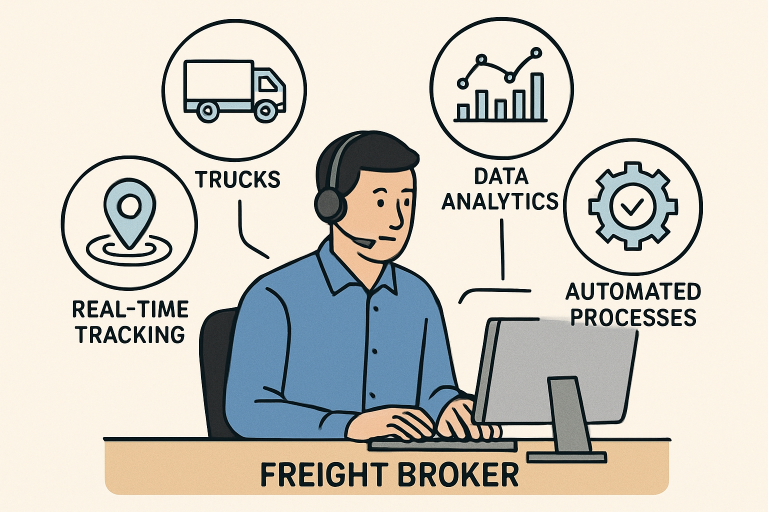
- Automated Load Matching: Leveraging AI-driven matching tools, brokers can rapidly connect shippers’ loads with available carriers, dramatically reducing empty miles, wasted fuel, and costly delays. This improves resource allocation and ensures more trucks stay full and moving, maximizing revenue for all parties.
- Real-Time Tracking: Today’s advanced platforms make it easy to provide clients with instant shipment updates, offering transparency and peace of mind. With real-time data, brokers can proactively identify potential delays and provide immediate feedback to both shippers and carriers, making service more responsive and reliable while significantly reducing the volume of status-check phone calls.
- Integrated Accounting: Freight broker software often includes robust modules for billing, invoicing, and payments, enabling smooth financial transactions and reducing the risk of serious accounting errors. Automation in these processes ensures brokers never miss an invoice and can track receivables and payables accurately, all in one place.
- Data Analytics: The best software suites offer powerful dashboards and in-depth reporting features that help brokers identify inefficiencies, monitor performance, and strategically plan for growth. With access to actionable business intelligence, brokers can make better decisions regarding pricing, partnerships, and operational improvement.
Benefits of Implementing Advanced Software
- Increased Productivity: Automation drastically reduces repetitive tasks and paperwork, freeing up more hours for sales, business strategy, and client relationship-building. This productivity boost enables brokers to accomplish more with the same resources or scale up their operations smoothly if business demand grows.
- Enhanced Profit Margins: Fewer errors, optimized route planning, and automated billing all contribute directly to cost savings and higher profitability. By streamlining load assignments and minimizing disputes over paperwork or payment, brokers maintain healthy profit margins even in competitive or tight markets.
- Scalability: Advanced freight broker solutions are designed to grow alongside your business. This means brokers can easily manage a surge in shipment volumes, onboard new clients, and expand their team without a proportional rise in administrative overhead, costs, or stress. The right technology makes scaling up straightforward and sustainable.
Choosing the Right Software
- Customization: Every brokerage business is unique, with its own workflow, customer base, and operating procedures. The best software molds to fit your business, not the other way around. Seek solutions flexible enough to integrate seamlessly with your existing systems and procedures, enabling more efficient day-to-day operations without requiring extensive process changes.
- User-Friendliness: Choosing a platform with an intuitive, modern user interface is essential. Software that’s easy to learn ensures your team can transition with minimal disruption, reducing the risk of errors or productivity losses. A clean, straightforward experience also encourages higher user adoption rates and better morale.
- Support and Training: Reliable customer support and comprehensive training resources are vital for a successful transition. The smoother the onboarding and learning curve, the quicker your team becomes proficient with the new system, which leads to faster ROI and greater satisfaction for both employees and clients.
Future Trends in Freight Brokerage Technology
The freight brokerage industry is poised on the brink of a dramatic technological evolution powered by artificial intelligence, machine learning, and increasingly sophisticated analytics. These innovations are set to automate more complex brokerage functions such as dynamic pricing, real-time market forecasting, and nuanced risk management, ensuring brokers remain agile and highly responsive in the face of ever-shifting demand and competitive pressures.
Conclusion
Adopting advanced freight broker software isn’t just a smart or optional move—it’s now a requirement for ensuring sustained growth and profitability in the fast-changing world of modern logistics. Carefully choosing feature-rich, flexible solutions positions brokers to deliver exceptional client experiences, adapt rapidly to new demands, and outpace industry rivals. As technology continues to accelerate at an unprecedented rate, the future will increasingly favor those who embrace digital innovation and reimagine their businesses for the modern era, well before their competitors do. In a world where operational excellence and client satisfaction are non-negotiable, the advantages of digital transformation are simply too significant to ignore.