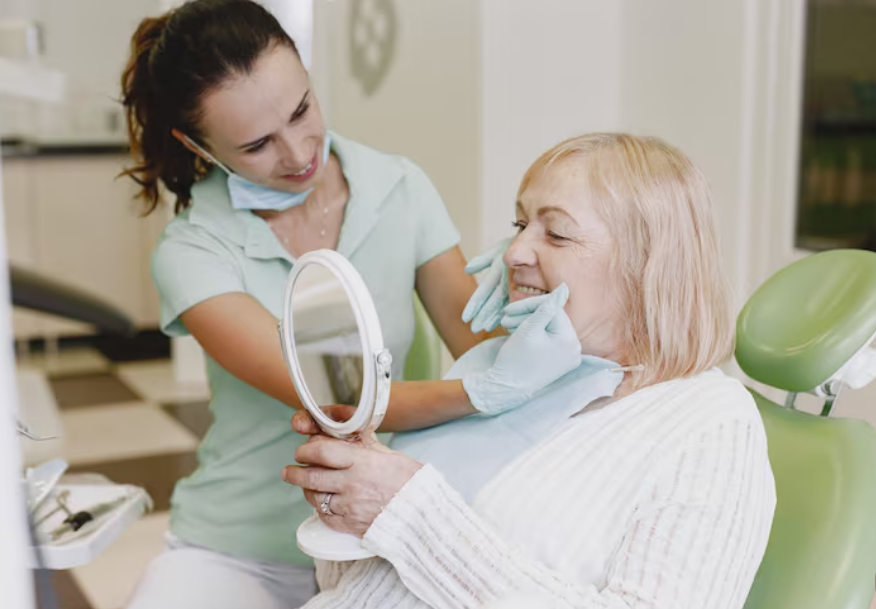

You brush, you try to keep up with appointments, and life still gets in the way. Kids miss a night of flossing, adults put off cleanings, and older family members start dealing with dry mouth or sensitive teeth, making regular visits to a Joliet dentist even more important. It adds up fast. Oral health often slips quietly until there is pain, a broken filling, or a bill you did not see coming.
That is why prevention matters so much. Good habits and routine care do more than keep teeth looking nice. They lower the risk of cavities, gum disease, enamel wear, and tooth loss. They also make dental care less stressful, less expensive, and easier to manage for every age group. The right preventive dental care plan is usually simple. It just needs to be consistent.
Daily oral hygiene habits shape long term dental health
Most dental problems do not start with a big event. They start with plaque that sits too long along the gumline, sugar that lingers on teeth, or skipped care that becomes a pattern. A child may seem fine until a small cavity turns into tooth pain. An adult may ignore bleeding gums because it does not hurt yet. An older adult may not realize that certain medications reduce saliva, which raises the risk of decay.
Strong prevention begins at home. Brushing twice a day with fluoride toothpaste and cleaning between teeth every day remain the foundation of oral health. The National Institute of Dental and Craniofacial Research shares practical guidance on daily oral hygiene, including proper brushing and flossing habits that protect both teeth and gums.
That sounds basic, but basic is what works. Families do not need perfection. They need routines that hold up on school mornings, late work nights, and weekends when nobody feels like doing one more thing.
Regular dental visits catch small problems before they become expensive
A family dentist does more than clean teeth. Routine exams can spot cavities early, check for gum inflammation, monitor bite changes, and look for signs of grinding, oral cancer, or worn restorations. When these issues are found early, treatment is usually simpler and less costly.
This is where many people get stuck. If your teeth do not hurt, it is easy to assume everything is fine. The trouble is that decay and gum disease often stay quiet for a long time. By the time pain shows up, the problem is usually bigger than it needed to be.
Preventive dentistry strategies help break that cycle. Regular visits create a record of changes over time, which matters for children with developing teeth, adults with old fillings, and seniors whose dental needs may shift with age and health conditions.
Fluoride and sealants provide extra protection when brushing is not enough
Even families with strong habits need added support sometimes. Fluoride helps strengthen enamel and makes teeth more resistant to decay. According to the CDC, these oral health tips for adults include using fluoride toothpaste and staying current with professional dental care.
For children, sealants can be especially helpful. Back teeth have deep grooves that trap food and bacteria, and those areas are hard to clean well, even for kids who brush every day. The CDC explains how dental sealants help prevent cavities by creating a protective barrier on chewing surfaces.
This is one of the most practical forms of cavity prevention. A child can look like they are doing everything right and still develop decay in the molars. Sealants lower that risk without adding a complicated home routine.
Diet and dry mouth affect cavity risk more than many families realize
Prevention is not only about brushing. What you sip and snack on all day affects your teeth too. Frequent sugary drinks, sticky snacks, sports drinks, and even constant grazing give bacteria more chances to produce acid. That acid weakens enamel little by little.
Dry mouth adds another layer. Saliva helps wash away food and neutralize acids. When saliva drops because of medication, age, or certain health conditions, teeth lose part of their natural defense system. You may notice bad breath, a sticky feeling, or more sensitivity, but sometimes the first sign is new decay around the gumline.
A good family dentist looks at these patterns, not just the teeth themselves. That is what makes oral disease prevention more effective than a one size fits all approach.
Home care and professional care work better together
| Preventive Step | What You Handle at Home | What a Family Dentist Adds |
|---|---|---|
| Brushing and flossing | Removes daily plaque and food debris | Checks technique and spots missed areas or early irritation |
| Fluoride use | Strengthens enamel with toothpaste or rinse | Applies stronger fluoride treatments when cavity risk is higher |
| Diet choices | Reduces sugar frequency and acidic drinks | Connects diet habits to signs of wear or decay in the mouth |
| Sealants | Not available as a home treatment | Protects cavity prone molars, especially in children and teens |
| Routine monitoring | Notices pain, bleeding, or sensitivity | Finds early problems before symptoms become obvious |
The pattern is clear. Home care carries most of the daily load, but professional care fills the gaps you cannot see on your own. That combination is what keeps small issues from turning into larger ones.
Simple preventive steps protect smiles at every age
Build a routine that your household can repeat. Brush twice a day with fluoride toothpaste, floss once a day, and keep toothbrushes where they are easy to use. If evenings are chaotic, set a phone reminder. Prevention works best when it becomes automatic.
Schedule visits before there is a problem. Do not wait for pain to decide it is time. Routine cleanings and exams help your family dentist track changes, recommend sealants or fluoride when needed, and treat issues while they are still small.
Watch the hidden risk factors. Cut back on constant snacking, sugary drinks, and habits that keep acid on the teeth all day. If someone in your family has dry mouth, braces, gum bleeding, or frequent sensitivity, bring it up early. Those details often explain why cavities or irritation keep returning.
Steady prevention makes dental care easier
You do not need a perfect routine to protect your family’s teeth. You need steady habits, regular checkups, and support that matches each stage of life. Children, teens, adults, and seniors all benefit from the same idea. Small preventive steps done consistently are easier than fixing a problem later.
If you have been meaning to get back on track, now is a good time to schedule a visit with a family dentist and make prevention part of your normal routine.
Read more : The Link Between Periodontal Health And Heart Health