
You notice one tooth has come in on one side, but the matching tooth on the other side still has not shown up. That kind of uneven timing can sit in the back of your mind all day. At Children’s Dental FunZone in Reseda, CA, you may be wondering if this is normal, if your child is in pain without saying so, or if waiting will make things harder later.
When one tooth erupts and its partner does not, dentists look at timing, space, gum tissue, tooth position, and the way the permanent tooth is developing under the gums. Sometimes the answer is simple and harmless. Sometimes it points to crowding, a baby tooth that did not fall out on time, or a permanent tooth that is blocked or coming in off course. A pediatric dentist checks the pattern early so you are not left guessing.
Uneven Tooth Eruption Can Be Normal, but It Can Also Signal a Problem
Children do not lose baby teeth or get permanent teeth on a perfect schedule. A difference of a few weeks, and sometimes even a few months, can happen without any deeper issue. Teeth do not read calendars. Still, dentists pay attention when the matching tooth has already appeared because the mouth usually develops in a fairly balanced way.
That is where concern starts to make sense. If the right front tooth is in and the left one is still missing long after, you are not overreacting by asking about it. The same goes for molars or canines. In many cases, the delayed tooth is there but moving slowly. In others, it may be trapped behind another tooth, blocked by thick gum tissue, or held back because there is not enough room.
Delayed tooth eruption is not one single diagnosis. It is a sign that needs context. A child who had dental trauma years ago may have a tooth that develops differently. A retained baby tooth can act like a door that never opened. Crowding can push a permanent tooth into the wrong path. In rarer cases, the tooth may be missing entirely.
How a Pediatric Dentist Checks a Tooth That Has Not Come In
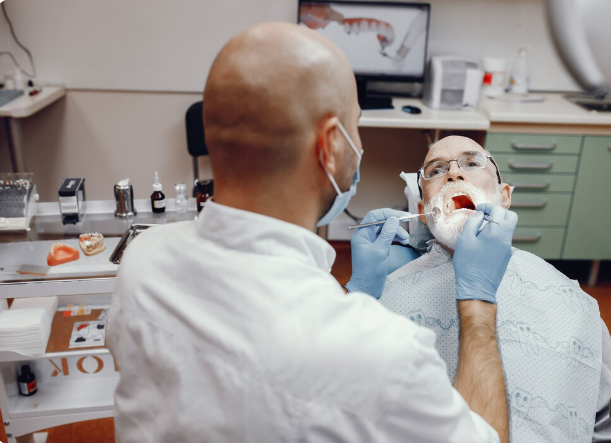
The first part of the exam is simple. The dentist looks inside the mouth, checks which teeth are present, compares both sides, and asks when the first matching tooth erupted. That timeline matters. If one side erupted recently, watchful waiting may be reasonable. If it has been a long gap, the dentist usually looks closer.
The gums tell part of the story. A bulge under the tissue may mean the tooth is close. No bulge at all can mean the tooth is deeper, tilted, or delayed in development. The dentist also checks whether the baby tooth is still in place, whether it is loose, and whether nearby teeth are drifting into the space.
Dental X rays often answer the biggest questions. They show whether the permanent tooth exists, how far the root has formed, whether it is blocked, and whether there is enough space for it to erupt. This is often the turning point for worried parents. The uncertainty drops once you can actually see what is happening.
The American Academy of Pediatric Dentistry guidance on developing dentition and occlusion supports early evaluation when eruption patterns are off, especially when asymmetry suggests a local problem rather than normal variation.
Why Waiting Too Long Can Create Bigger Problems
If a delayed tooth is only late, time may solve it. If the tooth is blocked or off track, waiting too long can let the space close. Teeth beside the gap can tip inward, the opposing tooth can overerupt, and the delayed tooth may become harder to guide into place. What started as a timing issue can turn into an orthodontic one.
There is also the emotional side. Children notice when their smile looks uneven, especially with front teeth. They may stop smiling in photos or avoid talking about it. If the tooth is delayed because of pressure under the gums or crowding, they may also feel discomfort they cannot describe clearly.
For a broader overview of eruption timing and causes of delay, MedlinePlus explains delayed tooth formation and eruption in plain language.
Common Findings During a Delayed Eruption Evaluation
| Finding | What It May Mean | Typical Next Step |
|---|---|---|
| Matching tooth erupted only recently | Normal variation in timing | Monitor for several weeks or months |
| Baby tooth still present and firm | Permanent tooth may be waiting for it to loosen or be removed | Exam and possible extraction plan |
| Little or no space in the arch | Crowding may be blocking eruption | Orthodontic evaluation or space management |
| Tooth visible on X ray but tilted or stuck | Impaction or eruption path problem | Referral, monitoring, or guided treatment |
| No permanent tooth seen on X ray | Congenitally missing tooth is possible | Long term planning for space and bite |
Practical Steps You Can Take Right Away
Track the timeline. Write down when the matching tooth came in and whether the baby tooth is still there. A rough date is useful. Photos taken a few weeks apart can also help show whether anything is changing.
Schedule an exam before the gap gets longer. If one side erupted and the other side is still missing after a noticeable delay, have it checked. This matters even more if there is pain, swelling, crowding, or a history of injury to that area. An exam for uneven tooth eruption is often simple, and it can prevent months of uncertainty.
Do not force the baby tooth out at home. Parents sometimes feel tempted to wiggle a stubborn tooth harder once the permanent match has appeared on the other side. That can cause pain and bleeding, and it does not fix a blocked permanent tooth. A pediatric dental visit is the safer next move.
Early Evaluation Gives You Better Options
When dentists evaluate delayed eruption when the matching tooth has already appeared, they are trying to answer a basic question fast. Is this just a slow tooth, or is something in the way? That answer shapes everything that comes next. Sometimes the best plan is patience. Sometimes a small step now avoids a much bigger one later.
If your child has one tooth in and the matching tooth still has not appeared, trust that instinct to get it checked. A pediatric dentist can sort out whether this is normal timing or a true problem and help you decide what to do next.
Read more: The Link Between Periodontal Health And Heart Health