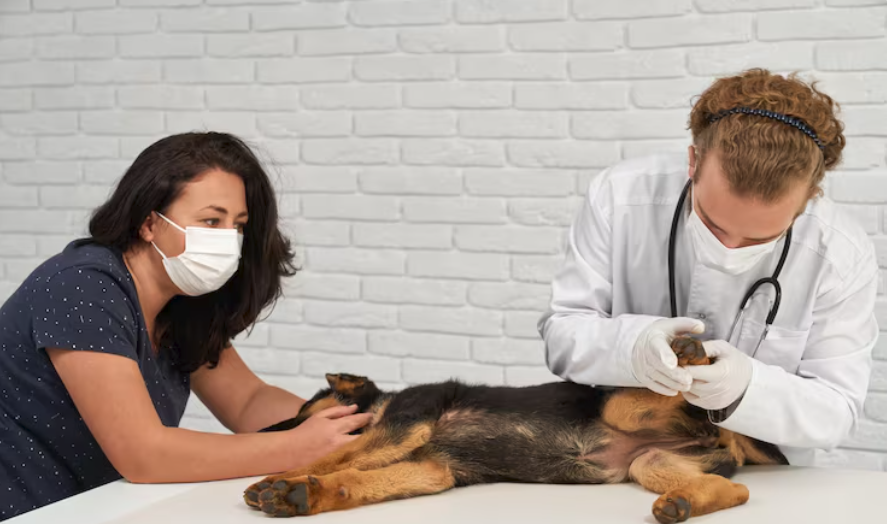

You notice the small changes first. Your dog skips breakfast. Your cat hides more than usual. Then the vomiting starts, or the yellow tint in the eyes, or the strange spells of confusion that make you think, something is very wrong. When a pet has liver failure, the shift can feel sudden even when the disease has been building for weeks or months. You are worried, tired, and trying to make sense of unfamiliar terms while your pet depends on you. A Plano TX veterinarian can help you understand what is happening and what steps to take next.
How veterinary hospitals manage pets with liver failure comes down to three things. They stabilize the pet, find the cause, and build a treatment plan that supports the liver while protecting the rest of the body. Some pets need emergency care and hospitalization. Others can be managed with diet changes, medication, and close follow up. The hard part is that liver failure is not one disease. It is a crisis with many possible causes, and the treatment only works well when the team knows what is driving it.
Veterinary hospitals treat liver failure by stabilizing the pet first
The liver does a long list of jobs your pet cannot afford to lose. It helps clear toxins, stores energy, supports digestion, and makes proteins the body needs to function. When it starts to fail, the signs can look scattered. Loss of appetite, vomiting, diarrhea, weight loss, jaundice, belly swelling, bruising, and behavior changes can all show up. Some pets seem just tired. Others arrive in obvious distress.
In the hospital, the first priority is often support. That may mean IV fluids for dehydration, medication to control vomiting, treatment for low blood sugar, and careful monitoring of body temperature, blood pressure, and clotting ability. If toxins are affecting the brain, a condition called hepatic encephalopathy, the team may use medications to reduce ammonia buildup and protect the nervous system. If there is bleeding risk, they may give plasma or vitamin K, depending on the cause.
This is where many owners feel torn. Your pet may look a little better after fluids or anti nausea medicine, and it is tempting to think the crisis has passed. Sometimes it has not. Supportive care buys time. It does not replace diagnosis.
Diagnosis shapes how a veterinary hospital manages liver disease
Managing liver disease in pets requires more than one blood test. Veterinary hospitals usually start with lab work, including liver enzymes, bilirubin, blood sugar, electrolytes, and clotting tests. Urinalysis helps fill in the picture. Imaging, often ultrasound, helps the team look for tumors, gallbladder disease, inflammation, abnormal blood vessels, or bile duct blockage.
Some pets need bile acid testing, infectious disease screening, or a liver aspirate or biopsy. That part can be scary to hear because you are already worried about cost and risk. The reason hospitals push for answers is simple. Liver failure from toxin exposure is treated differently than liver failure from infection, a shunt, cancer, chronic hepatitis, or gallbladder rupture.
A specialist in internal medicine may become part of the case when the diagnosis is unclear or the pet is unstable. Both Ohio State’s companion animal internal medicine service and Cornell’s internal medicine hospital service show how referral hospitals approach complex cases that need advanced imaging, intensive monitoring, and specialist level treatment planning.
Hospital care for pets with liver failure often includes targeted treatment and nutrition
Once the team has a working diagnosis, treatment becomes more specific. Infection may call for antibiotics. Immune mediated liver disease may need immunosuppressive medication. A blocked gallbladder or ruptured gallbladder may require surgery. Toxin exposure may need decontamination and aggressive support. If a shunt is involved, surgery or interventional treatment may be discussed.
Nutrition matters early. Pets with liver problems often stop eating, and that creates a second problem because the body starts breaking down muscle, which can worsen weakness and toxin handling. Hospitals may recommend a prescription diet designed for liver support, smaller frequent meals, feeding tubes in some cases, and supplements such as SAMe or milk thistle when appropriate. Not every supplement is safe for every case, which is why a generic online liver remedy can backfire.
Pet liver failure treatment also means repeated checks. Liver values can shift fast. A pet that seems stable at discharge may need recheck bloodwork within days, not weeks.
Home monitoring and hospital care serve different roles
| Care Setting | What It Can Do | Limits and Risks |
|---|---|---|
| Home care after diagnosis | Give prescribed medications, feed a liver support diet, track appetite, vomiting, stool, energy, and jaundice changes | Cannot correct dehydration quickly, manage seizures, monitor clotting closely, or respond to sudden collapse |
| Primary veterinary hospital | Run bloodwork, start IV fluids, control nausea, begin treatment, arrange follow up | May have limited access to advanced imaging, transfusion support, or specialist procedures |
| Referral or specialty hospital | Provide ultrasound, intensive care, internal medicine consults, biopsy planning, surgery coordination, and complex monitoring | Higher cost, possible travel, and emotional strain during a crisis |
This is often where the stress hits hardest. You are not just choosing treatment. You are balancing time, money, travel, and your pet’s comfort. A hospital team should be able to tell you what is urgent, what can wait, and what the realistic outcomes are. Some pets recover well when the cause is treatable. Others need long term management. Some are already in end stage disease when they arrive, and the kindest plan may focus on comfort.
Clear next steps help when veterinary hospital treatment feels overwhelming
1. Track the signs with detail. Write down when symptoms started, what your pet ate, any possible toxin exposure, all medications and supplements, and changes in behavior. A short timeline helps the hospital move faster and may point to the cause.
2. Ask for the immediate priorities. You need to know if the goal today is stabilization, diagnosis, surgery, or comfort care. Ask what the team is most worried about in the next 24 hours. That answer usually cuts through the noise.
3. Get the discharge plan in writing. Medication timing, diet instructions, warning signs, and the recheck schedule should all be clear before you leave. If your pet stops eating, vomits repeatedly, seems disoriented, or looks more yellow, call right away.
When a pet is in liver failure, the situation can feel bigger than you can handle, especially when the symptoms change by the hour. Good veterinary hospitals manage that by treating the crisis in front of them and the cause underneath it. That is what gives your pet the best chance at stability, recovery, or comfort, depending on the case. If your pet is showing signs of liver trouble, contact a veterinary hospital as soon as possible and ask whether your pet needs same day evaluation or referral for internal medicine care.
Read More : How Nutrition Counseling Supports Pet Health At The Vet