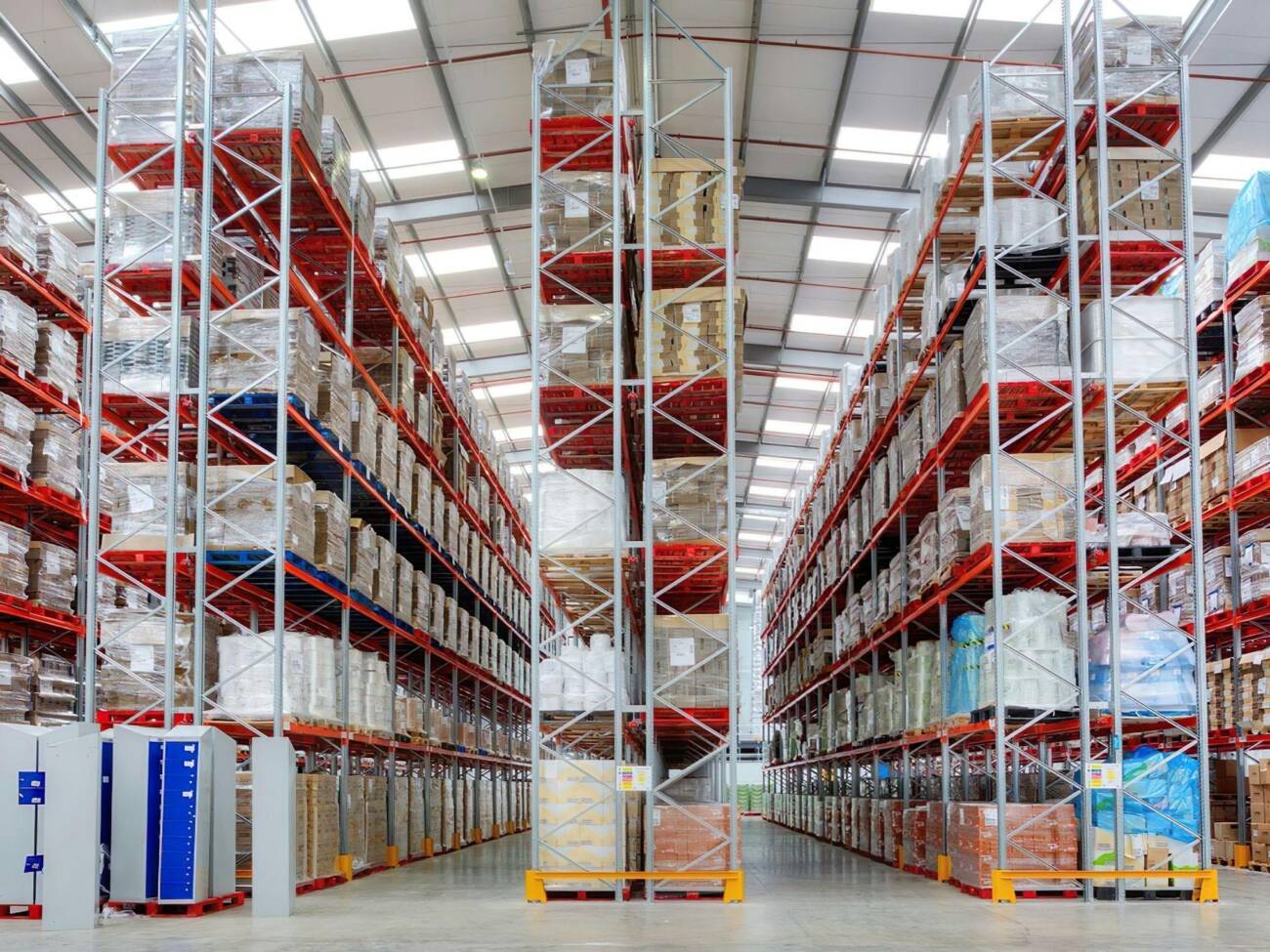

Canadian businesses are rethinking how and where they store inventory. Rising real estate costs, tighter labour markets and unpredictable freight timelines have pushed more companies to lean on outside partners instead of running their own facilities. That shift has put warehousing Canada searches on the rise, as operators try to figure out who actually has the space, staff and systems to keep goods moving.
This isn’t a niche concern anymore. Retailers, food distributors and manufacturers alike are asking the same question: does it still make sense to manage storage and fulfillment in-house or is it time to hand that off? The answer usually comes down to volume, flexibility and how fast a business needs to scale up or down.
Where Canadian Warehousing Stands Right Now
Demand for flexible storage has climbed steadily. Fewer companies want to sign a ten-year lease on a facility they might outgrow in two. Instead, they’re looking for partners who can flex capacity during peak season and scale back when things slow down.
That preference for flexibility is reshaping how warehousing providers pitch themselves. Space alone doesn’t win business anymore. Buyers want visibility into their inventory, predictable turnaround on orders and a partner who won’t buckle when volume spikes without warning.
Regional Pressure Points Reshaping Storage and Distribution
Ontario’s distribution corridors remain some of the busiest in the country and that congestion shapes almost every decision a shipper makes. Proximity to major highways and ports still matters more than most buyers expect going in. A facility fifteen minutes closer to the right corridor can shave real time off a delivery window.
Labour availability is the other pressure point nobody talks about enough. Warehouses across the country are competing for the same pool of workers and that competition drives up costs for anyone running an in-house operation. Outsourcing doesn’t eliminate that problem, but it does spread the risk across a partner with more flexibility to staff up.
Meanwhile, cross-border flows keep adding complexity. Goods moving into Canada face documentation and customs steps that trip up businesses without dedicated support. Getting that piece wrong costs more than a shipping delay, it can mean fees, holds and frustrated customers waiting on stock that’s stuck at a border.
Technology Is Changing What Buyers Expect
A warehouse without real-time inventory visibility is a hard sell today. Buyers expect to log in and see exactly what’s on hand, what’s moving and where a shipment sits in the process. That expectation didn’t exist a decade ago and now it’s close to table stakes.
Warehouse management systems have become the dividing line between providers who compete on price and providers who compete on service. A system that syncs with a retailer’s own platform in real time saves hours of manual reconciliation every week. It also catches discrepancies before they turn into stockouts or overselling.
None of this happens by accident, though. It takes a warehouse actually investing in its systems rather than running things on spreadsheets and phone calls. That investment is one of the clearer signals a business can look for when comparing options.

Vendors Worth Watching
A handful of Canadian names keep coming up in conversations about reliable warehousing and fulfillment. Armstrong Warehousing is one of them, operating out of the Mississauga area with services spanning storage, pick-and-pack fulfillment and inventory management for businesses moving goods through Ontario and beyond. Their site, armstrongwarehousing.com, lays out the range of services on offer for companies weighing an outsourced approach.
Other regional players are worth a look too, particularly ones with strong ties to the GTA’s distribution corridors. Comparing a few options side by side, rather than settling on the first name that comes up in a search, tends to produce better outcomes. Facility tours help more than most buyers expect. Seeing how a warehouse actually runs day to day tells you more than any sales pitch.
Pricing structures vary enough between providers that a straight cost comparison rarely tells the whole story. Some charge flat monthly rates. Others bill per unit handled or per square foot occupied. Understanding which model fits a business’s actual volume pattern matters more than chasing the lowest sticker price.
The Path Forward for Canadian Shippers
The businesses adapting best right now aren’t necessarily the biggest ones. They’re the ones asking sharper questions before signing anything about technology, about flexibility, about what happens during a volume spike nobody planned for. Warehousing Canada conversations are only going to get louder as more companies outgrow the DIY approach to storage and fulfillment.
Whichever direction a business chooses, the fundamentals haven’t changed. Space, speed and visibility still decide who wins the customer at the other end of the shipment. Getting those three things right, with the right partner, is what separates a supply chain that scales from one that just gets by.
Reads more: Turkey Tour Packages Booking Guide: What To Check Before You Pay