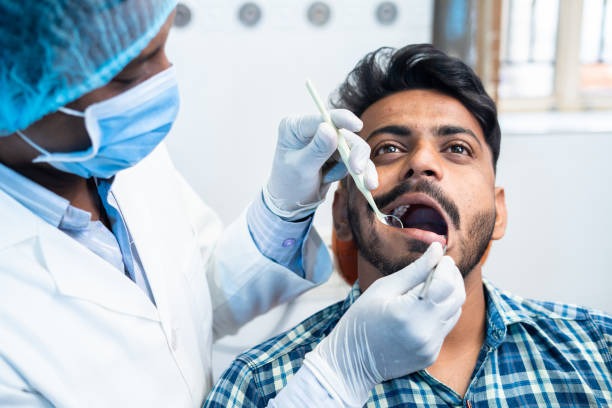

You might be feeling a little guilty every time you reschedule a dental checkup. Work runs late, family needs you, the day gets away from you, and suddenly another six months have passed. Nothing hurts yet, so you tell yourself it can wait. Then a tooth starts to twinge when you drink something cold, or you see a dark spot in the mirror, and you wonder how something that seemed minor turned into a bigger problem so fast—especially when a cosmetic dentist in Livermore, CA could have helped you catch it earlier.
If that sounds familiar, you are not alone. Many busy people treat the dentist like an emergency room. If it does not hurt, it does not happen. The problem is that oral health rarely works that way. By the time teeth or gums start to scream for attention, the damage often needs more time, more money, and more stress to fix. The short version is simple. Preventive care is not one more thing on your already full list. It is the quiet habit that protects you from future dental emergencies, surprise bills, and avoidable pain.
So where does that leave you if you are already stretched thin and the thought of fitting in one more appointment feels impossible?
Why busy patients postpone care, and how that quietly backfires
Think about the last time you skipped or delayed a cleaning. Maybe a work project exploded, a child got sick, or you were just exhausted. You told yourself you would rebook soon, but the weeks blurred together. You brushed more carefully, maybe flossed a bit more, and hoped that would be enough.
The hard truth is that home care, even when you are diligent, has limits. According to the CDC, regular professional cleanings and checkups are central to preventing cavities and gum disease, especially for adults with busy, stressful lives who may snack more, sleep less, and grind their teeth without realizing it. You can read their practical guidance in these oral health tips for adults.
Because of this tension between good intentions and real life, small problems often go unnoticed. A tiny cavity that could have been handled with a quick, inexpensive filling during a preventive visit can quietly spread. The same is true for early gum inflammation. You do not feel it at first, so you assume all is well, while bacteria and plaque slowly build a deeper foothold.
So what actually happens when preventive dentistry is pushed to the bottom of the list?
From “no big deal” to big procedures: how problems escalate
Imagine two different patients. Both are in their thirties, both work long hours, and both notice the same faint sensitivity in a back tooth.
The first patient has kept up with routine preventive visits. During a scheduled cleaning, the dentist spots a small cavity on that tooth, confirmed with an X ray. The filling takes about 30 minutes. Cost is manageable. There is no pain, no time off work beyond the planned visit, and the tooth stays strong.
The second patient has not seen a dentist in two years because of a demanding job and childcare. By the time the tooth hurts enough to book an appointment, the decay has reached the nerve. Now a root canal and crown are on the table. Multiple visits. Higher cost. More anxiety. And more missed time from work, which was the reason for postponing in the first place.
This is the quiet trap many busy people fall into. By avoiding small, predictable preventive appointments, they end up needing larger, unpredictable treatments. The same pattern shows up with gum disease. Early gum irritation can be reversed with a professional cleaning and better home care, yet untreated gum disease can progress to bone loss and tooth loss, which are far more complex to manage.
The research is clear. Tooth decay is a disease process that develops over time as acids from bacteria wear away enamel. The National Institute of Dental and Craniofacial Research explains how this happens and why early attention matters in their overview of tooth decay and cavities. The earlier your dentist can see signs of trouble, the simpler the solution tends to be.
You might be wondering how preventive dentistry fits into your reality when your schedule already feels packed. The answer is to look at what you are actually trading when you skip it.
Preventive visits vs emergency care: what busy patients really risk
When time and money are both limited, it helps to see the tradeoffs clearly. Preventive dentistry is about small, planned investments. Emergency or delayed care is about big, unplanned ones. The table below highlights the contrast many patients experience.
| ASPECT | REGULAR PREVENTIVE VISITS | EMERGENCY OR DELAYED CARE |
| Timing | Scheduled in advance, often twice a year | Unplanned, often urgent and disruptive |
| Cost | Lower, predictable, often covered well by insurance | Higher, can include root canals, crowns, or extractions |
| Time away from work or family | Short, routine appointments | Multiple or longer visits, possible recovery time |
| Comfort | Minimal discomfort, focus on cleaning and prevention | Pain before treatment, soreness after more complex work |
| Stress level | Low, planned, easier to manage emotionally | High, tied to pain, money worries, and schedule chaos |
| Long term impact | Protects teeth and gums, supports overall health | Greater risk of tooth loss and ongoing dental problems |
Seen this way, preventive dental care for busy adults is not a luxury. It is risk management for your health, your wallet, and your peace of mind. The CDC emphasizes that prevention is the most effective way to reduce the burden of dental disease across all ages, which aligns with what many patients discover the hard way. You can explore their broader perspective on prevention in this resource on oral disease prevention strategies.
So how do you turn this from a good idea into something that actually works in your day to day life?
Three practical steps to make preventive dentistry work for your schedule
1. Treat checkups like non negotiable appointments with your future self
Many patients schedule dental visits only when they know their calendar is light, which rarely happens. A better approach is to book your next preventive appointment before you leave the office, then protect it the way you would an important work meeting. Morning slots before work, late afternoon visits, or pairing your appointment with another errand you already do in that area can all help.
If you have children, consider booking your cleaning right before or after theirs. One trip, one disruption, and an easier habit to maintain. Over time, this turns general and cosmetic dentist visits into a routine part of life, not an occasional event.
2. Use home care as your daily “micro checkup”
Preventive dentistry is not only what happens in the chair. It is also what you do with a toothbrush and floss when no one is watching. Brushing twice a day with fluoride toothpaste, flossing once a day, and limiting frequent sipping on sugary or acidic drinks all reduce the workload your dentist has to handle later.
Think of this as a daily scan of your mouth. While you brush, pay attention to any new sensitivity, bleeding, or rough spots. Make a quick note on your phone if something feels off. That way, you can mention it at your next visit instead of hoping it goes away. Early awareness gives your dentist a chance to keep treatments quick and simple.
3. Talk openly with your dentist about your time, budget, and fears
Many people assume they need to stay quiet, nod through explanations, and accept whatever plan is suggested. In reality, good preventive care is a partnership. If your schedule is tight, say so. If you are worried about cost, ask about staging treatment or using insurance benefits strategically. If dental visits make you anxious, share that too, so the team can adjust their approach.
When you communicate clearly, your dentist can help prioritize what matters most now and what can safely wait. That might mean addressing one area this visit and another at your next cleaning. It might mean focusing on prevention today to avoid bigger work later. The more honest the conversation, the more tailored and realistic your plan will be.
Moving forward with a calmer, smarter approach to your oral health
You carry a lot, and it is understandable that preventive care has slipped down the list. Yet your mouth is part of your overall health, your confidence, and your everyday comfort. By treating preventive dentistry as a protective habit instead of an optional extra, you give yourself fewer emergencies, fewer unpleasant surprises, and more control.
Whether you think of it as why preventive dentistry matters more than ever or simply as choosing the easier path before problems grow, the goal is the same. Small, steady care today to spare you from bigger procedures tomorrow. Your future self will be very glad you made that choice.