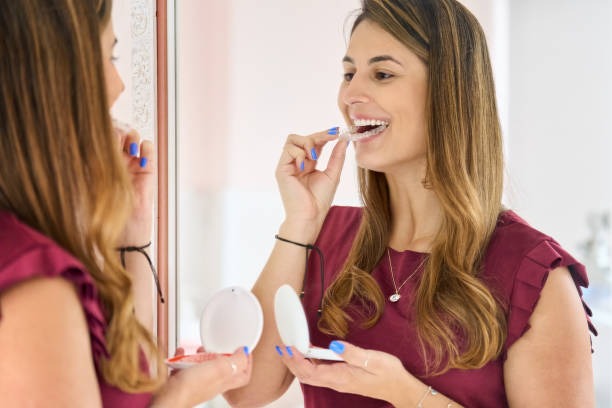

You might be looking in the mirror and feeling a mix of things. Maybe you notice crowded teeth in photos, or you hide your smile on video calls, or you wonder if all those years of “good enough” have finally caught up with you. At the same time, the idea of braces in adulthood, or a long and expensive treatment plan with a dentist in South Holland, IL, can feel overwhelming.end
Because of this tension, you might be stuck in a loop. You want a healthier, more confident smile, yet you are not sure if orthodontic treatment like Invisalign is “cosmetic,” “medical,” or something in between. You may even worry about making the wrong choice and regretting it later.
Here is the short version of what you need to know. Modern orthodontics, including Invisalign and clear aligners, is no longer just about straight teeth for teenagers. It is tightly connected to cosmetic dentistry, long term oral health, and even how long your fillings, crowns, and veneers last. When teeth are in a healthier position, cosmetic and restorative work tends to look better, feel more comfortable, and survive longer.
So where does that leave you? It means that if you are considering Invisalign and cosmetic orthodontic treatment, you are not being “vain.” You are asking a smart question about how to line up your teeth in a way that supports both beauty and health.
Why crooked teeth are not just a cosmetic problem
It often starts small. One front tooth twists slightly, or your bite feels a little off on one side, or your lower teeth begin to crowd as you get older. You might brush and floss carefully, yet still hear your hygienist mention early gum inflammation or plaque that keeps building in the same tight spots.
According to resources like MedlinePlus on orthodontia, misaligned teeth can make cleaning harder, which raises the risk of tooth decay and gum disease. When teeth do not meet properly, your jaw joints and chewing muscles can also work harder than they should. Over time, this can lead to chipping, wear, and even headaches or jaw discomfort.
Emotionally, the effect is real. You might smile less in photos or feel self conscious meeting new people. That is not vanity. That is a normal human response to feeling that your appearance does not truly match who you are inside.
Financially, misalignment can have a hidden cost. If teeth are crowded or rotated, fillings and crowns are often placed in awkward angles. These restorations may break or leak sooner, leading to repeat dental work and more expense over the years.
So the problem is not only how your teeth look today. It is also how hard they are to clean, how they wear down, and how much dentistry they may need in the future.
How does orthodontic treatment support cosmetic dentistry results?
Once you see that crooked teeth are a health issue as well as a cosmetic one, the next question becomes clear. How can orthodontics and clear aligners actually protect your smile and improve cosmetic results, instead of just making teeth straighter in photos?
Think of orthodontics as setting the stage. When teeth are moved into a better position, several things change.
First, your dentist can plan cosmetic and restorative work more conservatively. Instead of shaving down teeth aggressively to “fake” a straight smile with veneers, the teeth can be moved into alignment first. Then veneers, bonding, or whitening can be done with less removal of natural enamel.
Second, the bite can be balanced. Research shows that uneven contacts and traumatic bite forces can contribute to gum problems and tooth wear. When orthodontic treatment is planned carefully, it distributes chewing forces more evenly across the mouth. That makes it easier for crowns, fillings, and implants to last.
For example, a 2024 study on clear aligners and tooth movement, published in a peer reviewed journal, found that aligners can achieve clinically acceptable alignment and bite correction when used under professional supervision. These findings, shared through sources like this open access orthodontic research, support what many dentists see in daily practice. Thoughtful orthodontic planning can improve both function and appearance.
Third, there is the emotional side. When your teeth are lined up and your bite feels stable, cosmetic touches such as whitening or small contouring often have a much bigger impact. You are more likely to smile without thinking, which changes how you carry yourself at work, in relationships, and in everyday life.
Where does Invisalign fit within general, cosmetic, and restorative dentistry?
Modern dentistry is not divided into “health” on one side and “beauty” on the other. General care, cosmetic improvements, and restorative treatment work best when they are planned together.
Clear aligner systems like Invisalign sit right in the middle of that connection. They can be used as stand alone orthodontic treatment, or as part of a broader plan that might include whitening, bonding, crowns, or implants afterward.
Well designed research, such as findings summarized in recent cosmetic dentistry studies, shows that patients often report higher satisfaction when orthodontic alignment is completed before major cosmetic work. Straighter teeth allow for more even shades, smoother edges, and a more natural look.
When you hear the phrase orthodontic and cosmetic dental care, this is what it usually means. Teeth are first guided into a healthier position, then cosmetic and restorative treatments are done on a stronger, more stable foundation.
Practical comparison: Invisalign, traditional braces, or “just cosmetic” work?
At this point, you may be wondering what actually makes sense for you. Is Invisalign worth it compared to braces. Or is it easier to skip orthodontics entirely and go straight to veneers or bonding.
The answer depends on your goals, your budget, and your patience. Here is a simple comparison to help you think clearly.
| OPTION | WHAT IT FOCUSES ON | TYPICAL BENEFITS | COMMON TRADE OFFS |
| Invisalign / clear aligners | Tooth and bite alignment | Removable and discreet. Often more comfortable than braces. Helps set up long lasting cosmetic work. | Requires wearing aligners 20 to 22 hours a day. Not ideal for every type of bite problem. |
| Traditional braces | Tooth and bite alignment | Very versatile, can treat more complex cases. No need to remember to wear trays. | Visible brackets. Harder to clean around. Some people feel more self conscious. |
| Cosmetic work only (veneers, bonding, crowns) | Shape, color, and appearance | Faster visible change. Can fix chips, discoloration, and some misalignment. | May require removing more enamel if teeth are crooked. Bite issues may remain. Restorations may wear or chip sooner. |
| Combined approach (orthodontics + cosmetic) | Alignment first, appearance and function second | Often the most natural looking and longest lasting result. Less aggressive tooth reduction. | Takes more time. Requires planning and coordination with your dental team. |
There is no one answer that fits everyone. The key is to understand that orthodontics is not “extra” or “optional fluff” when you are thinking about cosmetic dentistry. It is often the missing link that makes cosmetic results more stable and less invasive.
Three steps you can take right now
1. Get a full smile and bite evaluation, not just a “quick look”
Ask for a thorough exam that includes photos, X rays when appropriate, and a bite assessment. You want your dentist to look at how your teeth meet, where they are wearing, and how your gums are doing, not just how straight your front teeth appear. A careful evaluation helps you avoid rushed cosmetic fixes that ignore deeper problems.
2. Ask for two or three treatment paths, with pros and cons
Instead of a single recommendation, ask your dentist or orthodontist to outline choices. For example, “Invisalign plus minor bonding,” “braces then whitening,” or “veneers only.” Have them explain how each option affects the health of your teeth, the expected lifespan of any restorations, and the long term cost. When you see the trade offs clearly, it is easier to choose the path that fits your life.
3. Be honest about your lifestyle and what you can commit to
Clear aligners work best when worn consistently. Braces need extra care with cleaning. Cosmetic work requires ongoing maintenance and good home care. Share your daily routines, work schedule, and any concerns about wearing aligners or braces. A realistic plan that you can actually follow is far better than a “perfect” plan that does not fit your real life.
Finding your way forward with cosmetic and orthodontic care
If you feel torn between wanting a better smile and fearing the process, you are not alone. Many people carry old memories of metal braces or worry that they have waited too long to fix their teeth. The truth is that modern cosmetic and orthodontic dentistry is more flexible, more discreet, and more focused on long term health than ever before.
You deserve a smile that works well and feels like you. When teeth are aligned, gums are healthier, and cosmetic work is thoughtfully planned, you are not just changing how you look in photos. You are making it easier to eat, speak, and smile with confidence for years to come.
The next step is simple. Reach out to a trusted dentist or orthodontist and ask for a conversation about your goals. Bring your questions. Ask about Invisalign, braces, and cosmetic options together. You do not need all the answers right now. You only need the courage to start the discussion and to choose care that respects both your health and your confidence.