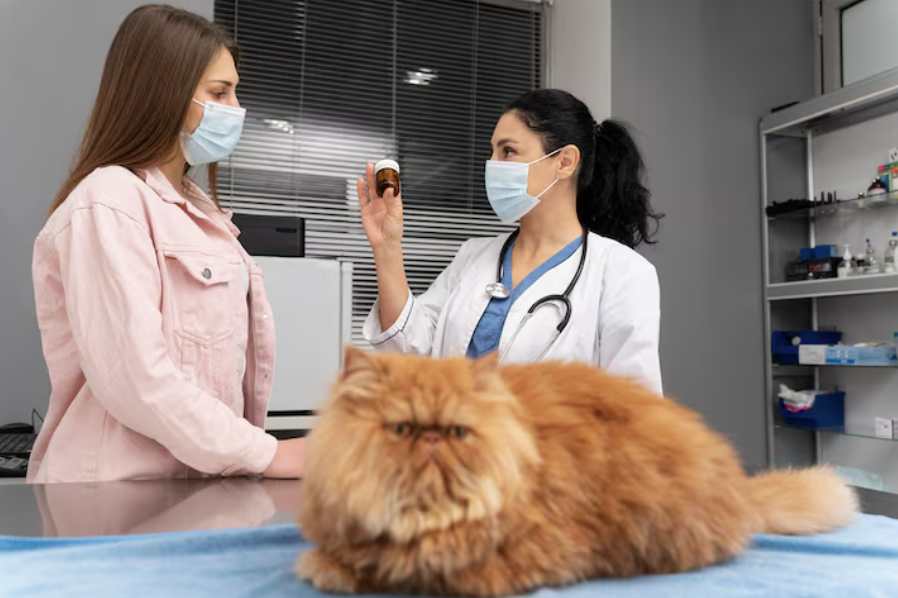

You might be here because something changed with your pet, and it scared you. Maybe your dog stopped jumping on the couch and now cries when he tries to stand. Maybe your cat is losing weight even though she seems to eat the same. Or you just heard the words “specialist” and “advanced treatment” from your regular Fair Oaks veterinarian, and your mind went straight to “How serious is this?” and “How much is this going to cost?”end
That reaction is completely human. When a pet needs more than routine care, it often feels like you have been pushed into a new world of medical terms, big decisions, and worry about whether you are doing the right thing. You love your pet, you want real answers, and you want to know what options an advanced cat and dog animal hospital can actually offer beyond the basics.
The short version is this. Modern specialized treatments at cat and dog hospitals can help with problems that used to mean lifelong pain, permanent disability, or even euthanasia. In particular, three areas now make a real difference. Advanced orthopedics for bones and joints. Internal medicine and critical care for complex illnesses. And neurology and neurosurgery for brain and spinal issues. Understanding these options will not make the worry vanish, but it can replace some fear with clarity and a plan.
Why are advanced cat and dog hospitals even needed now?
It often starts with something small. A limp that does not go away. A cat that hides more and plays less. A dog who suddenly cannot get up on his own. At first you hope it is just age or a minor strain. Then your regular vet runs tests, maybe takes X rays, and says, “I think we should refer you to a specialty hospital.”
That is the moment many people feel their stomach drop. Because of this tension, you might wonder whether this means your pet is “really sick” or if you are being pushed into something extreme. You might also worry about cost, travel, and whether your pet can handle more testing.
Here is the challenge. Some conditions are simply too complex for a general practice to manage alone. Just as humans sometimes need cardiologists or orthopedic surgeons, pets sometimes need vets who focus on one body system and use hospital grade tools. Advanced cat and dog hospitals bring those people and tools together under one roof, often with 24 7 care and cross team communication.
For example, university hospitals such as the Washington State University small animal hospital provide this kind of multidisciplinary care. They can coordinate imaging, surgery, internal medicine, and rehabilitation in a way that is hard to match in a small clinic.
So where does that leave you when your own pet is the one who needs help
1. Advanced orthopedic surgery for dogs and cats with joint or bone problems
Orthopedic issues are some of the most common reasons pets are referred to specialty hospitals. A torn cruciate ligament in a dog’s knee. A fractured leg after being hit by a car. Severe hip dysplasia in a large breed. These are not just “sore leg” problems. They affect your pet’s ability to walk, play, and even go outside to relieve themselves.
In the past, many of these problems meant lifelong limping or pain. Now, advanced orthopedic services at a cat and dog animal hospital can offer surgeries like TPLO and TTA for knee injuries, complex fracture repair with plates and screws, and joint replacement. Centers such as the orthopedic service at the University of Georgia’s small animal hospital, described in their orthopedics program, give a good picture of what modern veterinary orthopedics can do.
Here is what often makes these hospitals different. They use advanced imaging like CT scans to plan surgery. They have experienced anesthesia teams who understand the needs of older or fragile pets. They offer physical therapy and rehabilitation afterward, so recovery is not left to chance.
Of course, surgery is not the answer for every pet. Some animals are too old or have other diseases. Others can do well with bracing, pain control, and controlled exercise. A good orthopedic team will walk through these options with you, not push you into the most aggressive choice.
2. Internal medicine and critical care for complex or “mystery” illnesses
Sometimes the problem is not obvious on an X ray or a quick exam. Maybe your cat is losing weight, vomiting on and off, and your regular vet’s first tests are normal. Or your dog has chronic diarrhea, low energy, and keeps ending up in the emergency room. These “something is wrong but we do not know what yet” cases are where internal medicine specialists are so valuable.
Advanced cat and dog hospitals often have internal medicine teams who focus on diseases of the organs. Liver, kidneys, intestines, pancreas, endocrine glands, and more. They use tools like ultrasound, endoscopy, and advanced blood tests. They can perform biopsies in a controlled environment. They can manage complex conditions like diabetes with other issues at the same time.
When things become urgent, many of these hospitals have intensive care units. That can mean oxygen support, feeding tubes, blood transfusions, and continuous monitoring by trained staff. For a pet with severe pneumonia, pancreatitis, or kidney failure, this level of care can be the difference between stabilizing and declining.
Financially and emotionally, this kind of care is heavy. It is normal to ask, “How far should I go” or “What would my pet want if they could tell me” A thoughtful internal medicine or critical care team will usually help you weigh quality of life, likely outcomes, and your own limits with honesty and respect.
3. Neurology and neurosurgery for brain and spinal problems
Few things are as frightening as seeing a pet have a seizure or suddenly lose the use of their back legs. In those moments, you are not thinking about long term plans. You just want someone who knows exactly what to do.
Veterinary neurologists and neurosurgeons at advanced hospitals focus on the brain, spinal cord, and nerves. They handle conditions like slipped discs, spinal fractures, brain tumors, inflammatory brain disease, and seizure disorders. They often work with MRI and CT scans, which allow them to see the nervous system in detail.
For a dog with a slipped disc and sudden paralysis, timely surgery in a specialty setting can sometimes restore the ability to walk. For a cat with seizures, a neurologist can help sort out whether the cause is structural, inflammatory, or metabolic, then tailor medication. Not every case is curable, and sometimes the most compassionate choice is comfort care, but having a clear diagnosis can give you peace of mind about whatever path you choose.
How do specialized treatments compare to general care or “wait and see” approaches
It can help to see the tradeoffs laid out clearly. You are often choosing between doing nothing right now, continuing with general care, or moving to advanced treatment at a specialty hospital.
| OPTION | TYPICAL COST RANGE | WHEN IT FITS | MAIN RISKS | MAIN BENEFITS |
| Watchful waiting / basic care | Low | Mild, stable signs. Pet comfortable. No emergency red flags. | Condition may worsen silently. Lost window for best outcome in some diseases. | Less stress and cost right away. Time to see if minor issues resolve. |
| General practice treatment only | Low to moderate | Clear diagnosis that can be managed medically. No need for specialized tools yet. | Limited access to advanced imaging, surgery, or intensive monitoring. | Continuity with familiar vet. Often enough for many common problems. |
| Advanced specialty treatment | Moderate to high | Complex, progressive, or severe conditions. Need for surgery, ICU, or advanced diagnostics. | Higher cost. More visits and tests. Not every pet responds as hoped. | Best chance at accurate diagnosis. Access to surgery, ICU, and focused expertise. |
There is no single “right” option for every family. The best decision balances your pet’s condition, their age and temperament, your finances, and your emotional capacity. A good specialty team will help you compare these paths without judgment.
What can you do right now if you think your pet needs advanced care
It is easy to feel frozen between fear and too many choices. A few focused steps can bring some order back into the situation.
1. Ask your regular vet for a clear summary and specific questions
Before you call any advanced hospital, ask your primary vet to summarize the case in plain language. What is the working diagnosis. What has been ruled out. What are they most worried about. Then ask them what they hope a specialist could offer. For example, “better imaging,” “surgical repair,” or “long term management of a chronic disease.” This gives you a focused starting point and avoids repeating the same tests.
2. Gather records and set your boundaries ahead of time
Request copies of all lab work, imaging, and visit notes, either emailed to you or sent directly to the specialty hospital. Before your appointment, decide on your limits. A rough budget range. How you feel about intensive care versus comfort care. Whether you are open to surgery, or only to medical management. You can always adjust, but having a starting point helps you feel less swept along.
3. Use the consultation to explore options, not just one “yes or no” answer
During the specialty visit, ask for at least two or three clear options. For example, “gold standard,” “middle path,” and “comfort focused.” Ask about likely outcomes, not guarantees. Ask what life might look like for your pet in three months with each option. A thoughtful specialist at an advanced dog and cat animal hospital will usually welcome these questions and help you choose a path that feels medically sound and emotionally acceptable.
Moving forward with more clarity and less fear
When your pet needs more than routine care, it is normal to feel overwhelmed. You did not choose this situation, but you can choose how informed and supported you are inside it. Advanced cat and dog hospitals exist to handle the hard cases, the gray areas, and the emergencies that regular clinics cannot address alone.
By understanding the three major types of specialized treatment orthopedic surgery, internal medicine and critical care, and neurology and neurosurgery you are better prepared to ask the right questions and weigh your options. You do not need to know every medical term. You only need enough clarity to say, “This is what feels right for my pet and for me.”
Your next step is simple. Talk openly with your regular vet about whether a referral to a specialty cat and dog animal hospital makes sense now, or whether it is something to keep in mind if things change. From there, you can move forward one decision at a time, with more information and a little less fear.