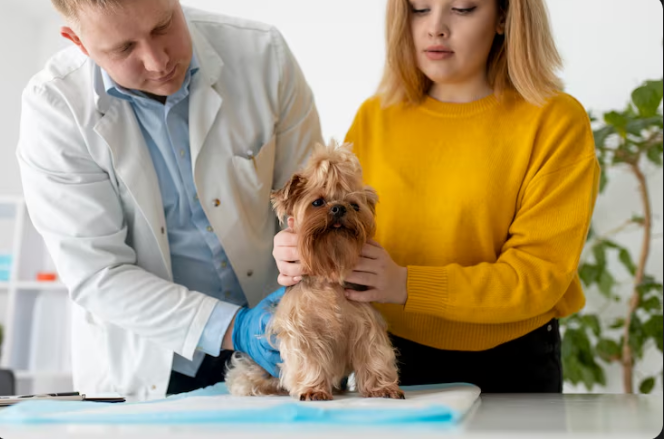

You might be looking at your new puppy or kitten, wondering if you are doing everything you should. One minute they are bouncing off the walls, the next they are sleeping hard, and you catch yourself asking, “Is this normal, or am I missing something important?” It can feel like a lot. You want to be a responsible pet parent, but you also do not want to overreact or spend money you do not need to spend, and that is where a trusted veterinarian in Gainesville, FL can help.
That tension is real. You hear that young pets need vaccines and regular exams, yet they often look perfectly healthy. So you might put off booking that visit, thinking you will go if something “seems wrong.” The risk is that by the time something looks clearly wrong, it can be more serious, more stressful, and more expensive to treat.
The short version is this. Regular checkups for puppies and kittens protect their long term health, catch problems early, and keep your family safer too. They also give you a trusted place to ask all the small, nagging questions that come with raising a young animal. When you understand what happens at these visits and why they matter, it becomes much easier to commit to a simple routine instead of worrying in the dark.
Why do healthy puppies and kittens need checkups so often?
When you bring home a young pet, you mostly see the fun side. Little paws, clumsy zoomies, and that warm weight sleeping on your lap. Under the surface, though, their bodies are changing fast. Their immune systems are still learning. Their bones are growing. Their behavior is taking shape. This is a beautiful time, but it is also a fragile one.
Because of that, problems can develop quickly. Parasites, infectious diseases, poor nutrition, and hidden birth defects can all be present long before you notice clear signs. A puppy can seem fine on Monday and be very sick by Friday. A kitten can hide pain or discomfort until it becomes severe. Young animals are not just “small adults.” They have different needs and different risks.
So where does that leave you? Without regular exams, you are left guessing. You might search online at midnight, compare your pet to someone else’s, or wait “to see if it gets better.” Sometimes things do get better. Other times, waiting costs you precious time. Routine visits with a veterinary hospital remove that guesswork, because you have a professional tracking growth, checking for early warning signs, and guiding you step by step.
Benefit 1: How do regular exams protect your puppy or kitten’s health?
Think of each checkup as a progress report on your young pet’s body. During a wellness visit, the veterinarian listens to the heart and lungs, checks eyes and ears, examines teeth and gums, feels the abdomen, and looks at the skin and coat. These are simple steps that can reveal heart murmurs, developmental issues, infections, or signs of allergies long before your pet appears very sick.
Vaccinations are a big part of these early visits. Diseases like parvovirus in puppies and panleukopenia in kittens can be deadly, especially in young animals. The vaccine schedule is not random. It is carefully timed around how long maternal antibodies last and when your pet can respond well to vaccines. Following that schedule gives your puppy or kitten the best chance to build strong protection during their most vulnerable months.
Regular checkups also include parasite prevention. Many puppies and kittens are born with or acquire intestinal worms, and some carry fleas or ticks from the start. These are not just a nuisance. They can cause anemia, stomach problems, and spread disease. The Centers for Disease Control and Prevention explains how dog related infections can affect people on its page about keeping dogs and families healthy, and offers similar guidance for healthy living with cats. Regular vet visits mean regular checks and prevention for these problems, which protects both your pet and your household.
Benefit 2: How do checkups keep you, your family, and your home safer?
Young pets explore the world with their mouths. They lick, chew, scratch, and sometimes bite when they are teething or overexcited. If they are carrying parasites or certain infections, that contact can affect the people who love them most, especially young children, older adults, or anyone with a weaker immune system.
Routine veterinary care lowers these risks in several ways. Vaccines reduce the chance of your pet carrying serious diseases. Parasite control reduces exposure to worms and external pests that can spread to people. Regular stool checks and exams make sure you are not surprised by an infection you never knew was there.
There is another side to safety too. Behavior. Many early “cute” behaviors can turn into bigger issues if they are not guided. A kitten that nips and scratches during play, a puppy that jumps and mouths hands, or a young pet that guards toys or food can become harder to manage as they grow. During checkups, you can talk through these concerns and get practical advice on training, socialization, and setting healthy boundaries at home. That guidance can prevent future bites, scratches, and broken trust.
Benefit 3: How can regular veterinary visits save you money and worry?
It is natural to think that skipping a checkup saves money. What you do not see is how often those routine visits prevent larger bills later. Catching ear infections before they become severe, treating worms before they cause serious illness, or noticing dental issues before they lead to extractions all reduce costs in the long run.
Preventive care is usually far less expensive than emergency care. The Merck Veterinary Manual’s section on preventive health care for small animals explains how regular exams, vaccines, and parasite control support longer, healthier lives. That same approach reduces the chances of late night emergency visits, hospital stays, and long treatment plans.
There is also the emotional cost. Facing a sudden crisis with a beloved young pet is draining. You may feel guilt for not seeing it sooner, fear about the outcome, and pressure to make fast decisions. When you keep up with routine puppy and kitten wellness care, you reduce the odds of those painful surprises. You also build a relationship with your veterinary team, which makes it easier to ask questions early and get clear, calm guidance.
Is preventive care really worth it? A simple comparison
To put things in perspective, it helps to compare what regular wellness care involves with the risks of a “wait and see” approach. The numbers below are general examples, not exact quotes, but they show why consistent care for your young pet matters.
| APPROACH | WHAT IT USUALLY LOOKS LIKE | COMMON OUTCOMES | TYPICAL COST PATTERN |
| Regular checkups for puppies and kittens | Scheduled exams every few weeks in the first months. Core vaccines, parasite checks, nutrition and behavior guidance. | Early detection of problems. Stronger immunity. Fewer emergencies. Clear plan for growth, training, and home safety. | Predictable, smaller costs spread over time. Lower risk of sudden, large emergency bills. |
| “Wait until something is wrong” | No routine exams. Occasional visits only when symptoms become obvious or severe. | Higher risk of preventable diseases. Later diagnosis of issues. More stress and uncertainty. | Short term savings, but higher chance of large, unexpected costs for urgent or advanced treatment. |
What can you do right now to protect your puppy or kitten?
1. Schedule a wellness exam and bring your questions
If your puppy or kitten has not had a recent checkup, book one with a veterinary hospital. Bring any records you have, even if they are from a breeder, shelter, or previous clinic. Write down your questions about feeding, house training or litter box use, chewing, scratching, and socialization. No concern is too small. This is your chance to build a clear plan tailored to your pet.
2. Commit to a simple vaccine and parasite prevention schedule
Ask your veterinarian to lay out the full schedule on paper or by email. This should include vaccine dates, deworming, flea and tick prevention, and any testing that makes sense for your area. Put these dates in your calendar. Treat them like you would a child’s checkups. A clear schedule removes guesswork, and following it protects your pet when they need it most.
3. Watch for subtle changes and call early
You know your pet’s normal habits. If you see changes in appetite, energy, stool, breathing, or behavior, do not wait and hope it passes. Call your veterinary team and describe what you see. They can tell you whether it is safe to monitor at home or whether your puppy or kitten should be seen. Early calls often prevent emergencies and give you peace of mind.
Moving forward with more confidence and less worry
Caring for a young pet is both joyful and a little scary. You are responsible for a life that cannot speak up when something feels wrong. That weight can sit heavily on your shoulders. The good news is that you do not have to carry it alone. By choosing regular puppy and kitten veterinary care, you share that responsibility with trained professionals who watch your pet grow and help you make steady, informed choices.
Every routine visit you keep is a quiet investment in more healthy years together. It is one more step away from avoidable crises and toward a calmer, more confident life with the animal you love. If you have been unsure about how often to go or what really happens during these visits, consider this your sign to start a simple, steady wellness routine. Your future self, and your future adult dog or cat, will be grateful you did.