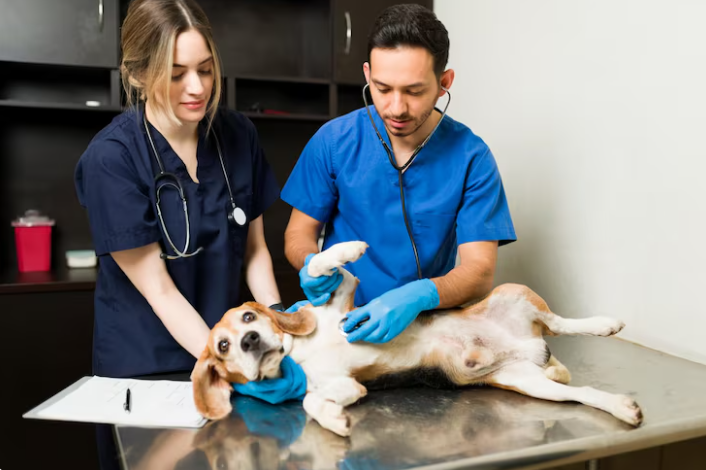

When your pet is hurt or acting strange, every minute feels heavy. You want help fast, but you may not know if you should wait for a regular visit, rush to a 24 hour emergency clinic, or try something in between. Veterinary urgent care fills that gap. It is for problems that cannot wait days, yet are not life ending crises. This blog explains four clear situations when urgent care is the best choice for your pet and for you. It will help you spot warning signs, decide where to go, and know what to expect when you arrive. It will also show how a Pensacola animal hospital that offers urgent care can ease fear, shorten wait times, and support your regular veterinarian. You deserve clear steps. Your pet deserves fast, focused care.
How Urgent Care Fits With Your Other Choices
You have three main options when your pet needs help. These are routine vet visits, urgent care, and full emergency care. Each one fits a different level of need.
| Type of care | Best for | Common examples | Typical timing |
|---|---|---|---|
| Regular vet visit | Ongoing or mild problems | Vaccines, yearly exams, slow weight change, long term pain checks | Scheduled days or weeks ahead |
| Urgent care | Pressing but not life ending issues | Deep cuts, ear infections, vomiting without collapse, minor eye injuries | Same day or walk in during set hours |
| Emergency care | Life ending crises | Not breathing, major trauma, seizures that do not stop, uncontrolled bleeding | Immediate any time day or night |
Next are four clear situations when urgent care is the best choice.
1. Sudden Vomiting or Diarrhea Without Collapse
Stomach trouble is common. It can feel scary, yet not every case needs a full emergency visit. Urgent care is often right when your pet has:
- Repeated vomiting or loose stool over several hours
- Blood in stool but normal energy
- No water intake for half a day with stomach upset
These signs can lead to fast fluid loss. That can harm organs if you wait. The Merck Veterinary Manual explains that ongoing diarrhea and vomiting raise the risk for dehydration and shock.
Urgent care can:
- Check hydration with a hands on exam
- Give fluids under the skin
- Run quick tests on stool and blood
- Give safe medicine to calm the gut
Seek full emergency care if your pet cannot stand, has a hard belly, or vomits nonstop. For steady but alert pets, urgent care gives fast relief and close watching.
2. Cuts, Bites, and Minor Injuries
Active pets get hurt. A run through brush, a clash at the dog park, or a kitchen mishap can leave a cut or limp. Many of these wounds need urgent care.
You should choose urgent care when:
- A cut is deeper than the top layer of skin
- Bleeding slows with firm pressure
- Your pet limps but still puts some weight on the leg
- You see a bite mark from another animal
Urgent care teams can:
- Clean and close wounds with stitches or staples
- Give pain control
- Start antibiotics for bite wounds
- Update rabies and tetanus risk checks as needed
Choose emergency care if bleeding will not slow, bone is visible, or your pet cannot stand. Otherwise, urgent care gives safe treatment that keeps small injuries from turning into large infections.
3. Sudden Eye, Ear, or Skin Problems
Eyes, ears, and skin can change fast. You may see redness, swelling, or discharge. The change may not seem severe, yet waiting days can cause lasting harm.
Urgent care is best when you see:
- Red eye with squinting or pawing
- Sudden cloudiness in one eye
- Ear odor, dark wax, head shaking, or clear pain
- Rapid spread of rash, hives, or facial swelling
Eye injuries can threaten sight. Ear infections can cause lasting changes to the ear canal. Fast care lowers these risks. Guidance from many vet teaching hospitals, such as those linked through the American Veterinary Medical Association, stresses early checks for sudden eye and ear changes.
At urgent care, staff can:
- Check eye pressure and stain the eye for scratches
- Look deep in the ear with a scope
- Start drops, ointments, or skin medicine
- Give shots for strong allergic reactions
Use emergency care right away if your pet has an eye injury with loss of vision, collapse, or swelling of the tongue or throat. For strong but stable pets, urgent care protects sight, hearing, and skin comfort.
4. Sudden Change in Behavior or Mobility
You know your pet. When behavior changes in a sharp way, that is often a sign of pain or sickness. You may not see blood or vomiting. Yet your worry is real and needs respect.
Urgent care is right if your pet:
- Starts hiding and will not come out
- Cries when touched in one spot
- Has a new limp or stiff walk
- Struggles to get up, yet can still stand with help
These signs can point to joint pain, soft tissue strain, early back injury, or fever. Urgent care can:
- Check temperature and heart rate
- Take basic X rays if needed
- Give safe pain relief
- Set a plan for rest, follow up, and warning signs
Use emergency care if your pet cannot move its back legs at all, has seizures, or seems unaware of you. For milder but sudden changes, urgent care offers quick answers and comfort.
How To Prepare Before You Need Urgent Care
You can lower stress by planning now. Take three simple steps.
- Save contact details for your regular vet, nearest urgent care, and nearest 24-hour emergency clinic
- Keep records and medicine lists in one folder or on your phone
- Know your pet’s normal eating, drinking, and bathroom habits
The United States Centers for Disease Control and Prevention gives pet safety tips that support this kind of planning for families with children and animals at home.
Trust Your Instinct and Use Urgent Care Wisely
Your concern matters. If you feel uneasy, you should call. Urgent care offers a middle path that respects your time, your money, and your bond with your pet.
Use urgent care when:
- The problem is sudden and cannot wait days
- Your pet is clearly uncomfortable but not collapsing
- You need fast answers and a clear next step
With this plan, you protect your pet from slow harm. You also keep emergency rooms free for the sickest animals. That is a strong choice for your pet and for your community.