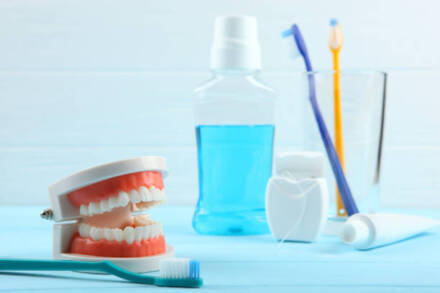

You want a bright, confident smile that lasts. You may think whitening or veneers will fix everything. They help. Yet they do not stand strong without steady preventive care. Routine cleanings, early cavity checks, and gum care protect every cosmetic step you take. They keep stains from returning fast. They stop small issues from turning into cracked teeth, dark lines, or loose crowns. A Tuckahoe dentist who focuses on prevention will look for weak spots before they show in photos. That means fewer surprises, fewer rushed visits, and less pain. Think of cosmetic work as the final coat of paint. First you need a dry, solid wall. Preventive dentistry gives you that solid base. It guards your time, your money, and your confidence. When you protect your mouth year after year, cosmetic results last longer and feel more natural.
Cosmetic Dentistry Needs Healthy Teeth First
Cosmetic care changes how your smile looks. Preventive care keeps your teeth and gums strong. You need both. Yet health must come first.
When you skip checkups, small problems stay hidden. A tiny cavity can grow under a veneer. Early gum swelling can spread around a new crown. Later the tooth may hurt or break. Then the cosmetic work fails.
Preventive visits give your dentist time to:
- Check for early decay
- Measure gum pockets and watch for bone loss
- Track wear from grinding or clenching
Each step protects the work you already paid for. It also guides future cosmetic choices so they match your bite, your enamel strength, and your daily habits.
How Prevention Saves Your Smile And Your Budget
You care about how your smile looks. You also care about cost. Preventive dentistry protects both. Small steps today block larger treatment later.
Routine care often costs less than one filling or crown. The Centers for Disease Control and Prevention explains that regular visits and home care lower the risk of severe decay and tooth loss.
The table below shows a simple comparison. Exact prices vary by office. Yet the pattern stays clear. Prevention brings lower cost and less stress over time.
| Type of care | Typical visit frequency | Example cost range per visit (USD) | Common reason | Effect on cosmetic work |
|---|---|---|---|---|
| Routine exam and cleaning | Every 6 months | 75 to 200 | Prevent problems | Keeps whitening and bonding bright and clean |
| Fluoride treatment | Every 6 to 12 months | 20 to 50 | Strengthen enamel | Helps stop decay under veneers and crowns |
| Small filling | As needed | 150 to 350 | Treat early cavity | Prevents larger breakdown that can ruin cosmetic work |
| Crown or veneer replacement | When damage occurs | 900 to 2,500 per tooth | Repair cracked or decayed tooth | Often needed sooner if prevention is weak |
| Root canal and crown | When decay reaches nerve | 1,500 to 3,000 | Save infected tooth | Can follow years of skipped checkups |
You can see how one missed cleaning can turn into a chain of treatment. Each step costs more than simple prevention.
Why Gums Decide How Long Cosmetic Work Lasts
Gums hold your teeth and support every cosmetic change. When gums stay healthy, crowns and veneers sit snug. When gums pull back, dark edges show. Spaces trap food. Smiles look older.
Signs of gum trouble include:
- Bleeding when you brush or floss
- Red or swollen gum edges
- Bad breath that does not clear with brushing
- Teeth that feel loose or shift
The National Institute of Dental and Craniofacial Research explains that gum disease is a leading cause of tooth loss in adults. You can review their gum disease facts.
Healthy gums give you three clear gains for cosmetic work. They hold teeth in place. They frame each tooth, so your smile line looks even. They heal faster after any cosmetic step.
Everyday Habits That Protect Cosmetic Results
What you do at home each day shapes how long your smile looks fresh. Small habits matter.
Focus on three basics:
- Brush at least twice a day with fluoride toothpaste
- Floss once a day to clean between teeth and around work like crowns
- Use a soft brush and gentle strokes to protect enamel and gums
Next, protect your teeth from harm. Wear a night guard if you grind. Wear a mouth guard for sports. Limit sugar and constant snacking. Drink water after coffee, tea, or wine to help reduce stains.
These simple moves keep whitening brighter, bonding smoother, and veneers intact. They also lower your risk of sudden pain that can cut into school, work, or family time.
How To Work With Your Dentist For Long Term Success
You and your dentist share one goal. You both want a strong, natural smile that lasts many years. Preventive care turns that goal into clear steps.
Use each visit to:
- Review any changes in your teeth, gums, or bite
- Ask how current fillings, crowns, or veneers look
- Set a simple home care plan you can keep
Then schedule your next preventive visit before you leave the office. Put it on your calendar. Treat it like any other health check. That steady rhythm helps catch problems early, often before you feel any pain.
The Bottom Line For Your Smile
Cosmetic treatment can change how you see yourself. It can help you smile in photos, speak in public, or meet new people with more ease. Yet the real secret is quiet. It sits in your daily choices and your regular visits. Preventive dentistry protects the work you already have. It keeps your smile strong, clear, and steady. When you guard your mouth with simple habits and routine care, you give every cosmetic step a better chance to last.