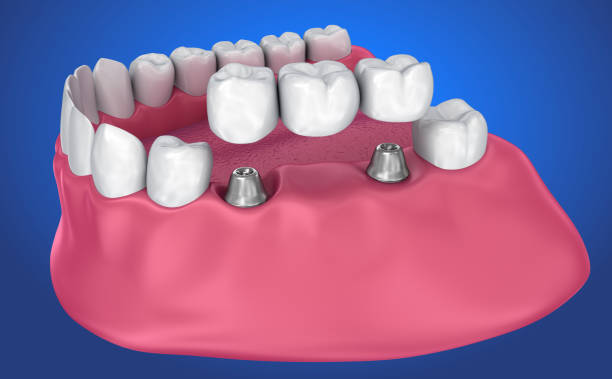

You want teeth that feel strong, look natural, and last. That choice often comes down to dental implants or bridges. Many people now choose implants. They want a replacement that feels like a real tooth. They also want to protect the rest of their mouth. A dentist in Lodi, CA hears the same fears again and again. You may worry about pain. You may feel shame about missing teeth. You may feel confused by different options. This confusion can cause a delay. Delay often leads to more bone loss and more problems. Implants help stop that cycle. They do not rely on neighboring teeth. They support your bite. They support clear speech. They also support your self-respect. This blog shares three clear reasons people pick dental implants over bridges. You will see how they affect your health, your routine, and your long-term comfort.
Reason 1: Implants Help Protect Bone And Face Shape
When you lose a tooth, the bone in that spot starts to shrink. Your body no longer gets a clear signal to keep that bone strong. Over time, this loss can change your facial shape. Your cheeks can look sunken. Your bite can shift. Your other teeth can move.
A dental implant sits in the bone like a tooth root. It sends a signal each time you chew. That signal helps keep the bone in that spot. A bridge rests on top of the gums. It does not connect to the bone in the same way. As a result, the bone under a bridge can keep shrinking.
The National Institute of Dental and Craniofacial Research explains how tooth loss and bone loss are linked.
Here is a simple comparison.
| Feature | Dental Implants | Dental Bridges |
|---|---|---|
| Helps prevent bone loss under a missing tooth | Yes. Implant anchors in the bone. | No. Bone can keep shrinking. |
| Supports face shape over time | Stronger support for cheeks and jawline. | Less support. The face can look more sunken. |
| Effect on nearby teeth | Usually, no shaping of healthy teeth. | Often needs reshaping of teeth next to the gap. |
You deserve a mouth that stays strong. You also deserve a face shape that feels like you. Implants give your jaw a clear reason to stay firm.
Reason 2: Implants Protect Nearby Teeth
A bridge often needs support from the teeth on each side of the gap. Those teeth are trimmed down to hold crowns. Once trimmed, they will always need crowns. If those teeth are healthy now, that loss can feel painful.
An implant stands on its own. It does not need help from nearby teeth. It leaves healthy teeth alone. That means fewer future treatments on those teeth.
Think about three simple points.
- Implants do not grind down healthy teeth.
- Implants can lower the risk of future root canals on nearby teeth.
- Implants keep your bite more even, which can reduce jaw strain.
The American Dental Association explains how crowns and bridges work and how much tooth can be removed for them.
Here is a second comparison that focuses on long-term impact.
| Question | Dental Implants | Dental Bridges |
|---|---|---|
| Needs support from nearby teeth | No. Stands alone. | Yes. Uses teeth on each side. |
| Risk to healthy enamel | Low. No trimming of neighbors. | High. Neighbor teeth are often trimmed. |
| Future repair if one part fails | Usually affects one implant only. | Can affect the whole bridge and both support teeth. |
Your natural teeth are precious. You cannot grow them back. Implants often give you a way to fill a gap and still guard what remains.
Reason 3: Implants Often Feel And Function More Like Natural Teeth
You use your teeth to eat, speak, and smile. You also use them to show care to family. You may share meals, read stories, or speak at events. If you worry that your bridge may slip or break, that fear can drain your energy.
Implants connect to the bone. That strong base can make them feel closer to real teeth when you chew. Many people say they forget which tooth is the implant once healing is complete.
Here are three ways implants can change daily life.
- Eating. You can often bite and chew a wide range of foods after healing. This can support better nutrition.
- Speaking. A stable tooth replacement can help you form clear sounds.
- Cleaning. You can usually brush and floss around an implant like a normal tooth.
A bridge needs special cleaning under the false tooth. Some people find it hard to do each day. Missed cleaning can lead to decay on the support teeth or irritation in the gums.
Here is a short look at routine care.
| Daily Care Task | Dental Implants | Dental Bridges |
|---|---|---|
| Brushing | Standard brushing twice a day. | Standard brushing. Extra focus on support teeth. |
| Flossing | Floss around each tooth and implant. | Need threaders or special tools under the bridge. |
| Risk from poor cleaning | Gum problems around the implant. | Decay on support teeth and gum problems under the bridge. |
Simple care usually leads to better habits. Better habits support stronger teeth and gums.
Choosing What Is Right For You
Implants are not right for every person. Your health, bone level, and budget all matter. Some people do better with a bridge. Some people use both in different parts of the mouth.
You can take three clear steps.
- Ask for a full exam that includes X-rays and a review of your health history.
- Ask for a side-by-side plan that includes the expected life span of each choice.
- Ask what daily care will look like for you and your family.
Missing teeth can carry shame and quiet fear. You are not alone with those feelings. You deserve straight facts and calm guidance. When you understand how implants protect bone, guard nearby teeth, and feel close to natural teeth, you can make a strong choice for your mouth and your life.