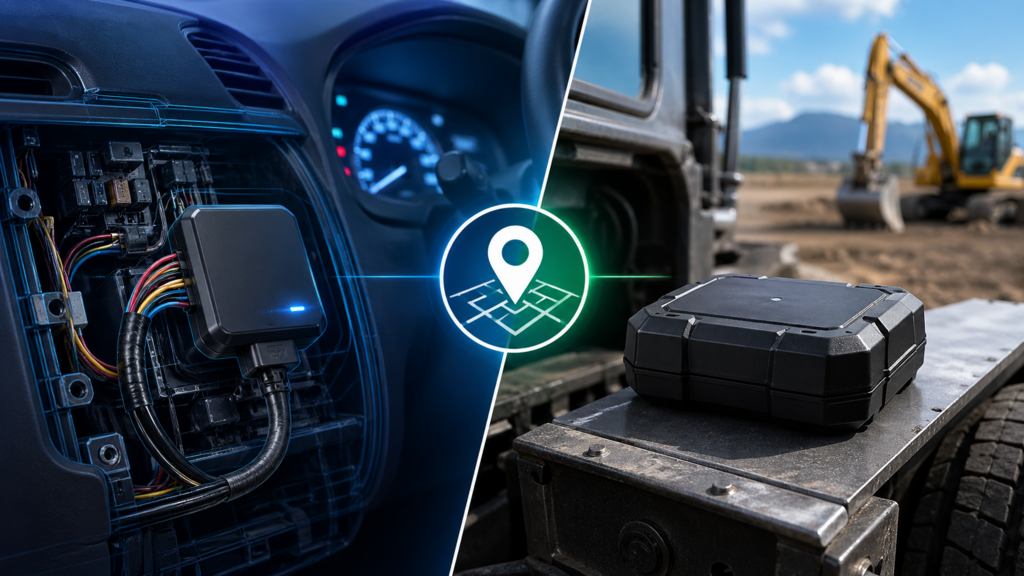

Selecting the right tracking solution is no longer a niche decision reserved for large logistics companies—it has become a critical consideration for businesses of all sizes that rely on vehicles, equipment, or mobile assets. Whether you manage a fleet, operate construction machinery, or simply want better visibility over your operations, the choice between a wired GPS Tracker, a dash cam with gps, and broader vehicle tracking equipment can significantly impact efficiency, security, and long-term costs.
At its core, this decision is not about choosing the “best” technology, but rather about identifying the most suitable setup for your specific operational needs. Wired and battery-powered tracking systems each come with distinct advantages and limitations, and understanding these trade-offs is essential for making a well-informed investment.
Understanding Wired and Battery-Based Tracking Systems
A wired tracking device is installed directly into a vehicle’s electrical system. It draws power continuously from the vehicle, allowing for uninterrupted operation and real-time monitoring. Because it is hardwired, it is typically hidden within the vehicle, making it more resistant to tampering.
Battery-powered trackers, on the other hand, are standalone devices. They rely on internal batteries and can be placed virtually anywhere—inside a vehicle, attached to equipment, or even hidden within cargo. Their portability makes them highly versatile, but also introduces limitations related to battery life and data transmission frequency.
The distinction between these two approaches shapes nearly every aspect of performance, from installation complexity to long-term reliability.
Installation and Deployment Considerations
One of the first practical differences between wired and battery-powered solutions lies in installation. Hardwired systems require professional setup in most cases, as they must be connected to the vehicle’s electrical system. This process can involve accessing the dashboard, ignition wiring, or fuse box, which adds both time and upfront cost.
Battery-powered devices are much simpler to deploy. They can often be installed in minutes without specialized tools or expertise. This makes them especially appealing for businesses that need quick deployment across multiple assets or for temporary tracking purposes.
However, ease of installation comes with a trade-off. While portable units are convenient, they are also easier to remove or misplace. Wired systems, once installed, tend to remain fixed and reliable over time.
Power Supply and Reliability
Power is one of the most critical factors in any tracking system. Wired devices benefit from a constant power source, allowing them to transmit data continuously without interruption. This makes them ideal for real-time monitoring, route optimization, and driver behavior analysis.
Battery-powered trackers operate under different constraints. To conserve energy, they often transmit data at intervals rather than continuously. Some devices enter sleep mode when not in motion, extending battery life but reducing real-time visibility.
The trade-off here is clear: wired systems provide consistent, high-frequency data, while battery-powered solutions prioritize flexibility and energy efficiency. For businesses that depend on constant updates—such as logistics or emergency services—continuous power is often a decisive advantage.
Tracking Accuracy and Data Frequency
Accuracy in location tracking is influenced not only by GPS technology but also by how frequently the device transmits data. Wired systems, with their constant power supply, can provide near real-time updates. This enables precise route tracking, immediate alerts, and detailed reporting.
Battery-powered devices may offer equally accurate location data at the moment of transmission, but the intervals between updates can create gaps in visibility. For example, a device that reports every 10 minutes may not capture sudden route deviations or unauthorized stops as effectively as a continuously powered unit.
This difference becomes particularly important in industries where timing and precision are critical. Delivery services, ride-sharing operations, and high-value asset transport all benefit from more frequent data updates.
Security and Tamper Resistance
Security is another area where wired systems often have an advantage. Because they are installed داخل the vehicle and connected to its electrical system, they are harder to detect and remove. This makes them a strong choice for theft prevention and asset protection.
Battery-powered devices, while versatile, are more vulnerable to tampering. If a device is visible or easily accessible, it can be removed or disabled. Some models include tamper alerts or motion sensors to mitigate this risk, but they still rely on proper placement and monitoring.
That said, portability can also be a form of security. Battery-powered trackers can be hidden in unexpected locations, making them difficult for unauthorized individuals to locate. The effectiveness of this approach depends largely on how and where the device is deployed.
Maintenance and Operational Costs
Cost considerations extend beyond the initial purchase. Wired systems typically involve higher upfront expenses due to installation, but they often require less ongoing maintenance. Once installed, they can operate for years with minimal intervention.
Battery-powered trackers, while cheaper to deploy initially, introduce recurring maintenance tasks. Batteries must be recharged or replaced periodically, depending on usage and device specifications. For organizations managing dozens or hundreds of units, this can become a significant operational burden.
The total cost of ownership, therefore, depends on the scale of deployment and the resources available for maintenance. Businesses must weigh the convenience of low upfront costs against the long-term effort required to keep devices operational.
Flexibility and Use Cases
Flexibility is where battery-powered solutions truly excel. Their portability allows them to be used across a wide range of applications beyond traditional vehicle tracking. They can monitor trailers, shipping containers, construction equipment, and even non-powered assets.
Wired systems are inherently tied to vehicles with electrical systems. While this makes them ideal for fleet management, it limits their applicability in scenarios where assets are not always powered or are frequently moved between locations.
For businesses with diverse tracking needs, a combination of both approaches is often the most effective strategy. Wired devices can handle core fleet operations, while battery-powered units provide supplementary tracking for mobile or temporary assets.
Integration with Video and Advanced Features
Modern tracking solutions increasingly integrate with video systems and advanced analytics. Devices that combine tracking with onboard cameras offer additional layers of insight, such as driver behavior, road conditions, and incident documentation.
In these setups, continuous power becomes even more important. Video recording and data transmission require significant energy, making wired systems better suited for integrated solutions. Battery-powered devices can support such features, but their functionality is often limited to preserve battery life.
This highlights an important consideration: as tracking technology evolves, the demand for power and data processing continues to grow. Choosing a system that can support future upgrades and integrations is essential for long-term value.
Challenges in Choosing the Right Setup
Selecting between wired and battery-powered tracking is not always straightforward. Businesses must navigate a range of competing priorities, including cost, performance, and operational complexity.
One common challenge is balancing real-time visibility with energy efficiency. While continuous tracking provides more data, it also requires more power and infrastructure. Conversely, reducing data frequency can extend battery life but may limit actionable insights.
Another challenge lies in scalability. A solution that works well for a small fleet may not be practical for a larger operation. As the number of tracked assets increases, factors such as installation time, maintenance workload, and data management become more significant.
There is also the issue of user adoption. Complex systems may offer advanced features, but they can be difficult for teams to implement and use effectively. Simplicity and ease of use are often just as important as technical capability.
The Importance of Context in Decision-Making
No tracking solution exists in isolation. The effectiveness of any system depends on how well it aligns with the specific needs and constraints of the organization using it. Factors such as industry, asset type, operational scale, and budget all play a role in shaping the right choice.
For example, a logistics company with a large fleet may prioritize continuous tracking and integration with dispatch systems. In this case, a wired setup is likely the most appropriate. A construction firm, on the other hand, may need to track equipment that is not always powered, making battery-powered devices a better fit.
Understanding these contextual factors is essential. Without a clear assessment of operational requirements, even the most advanced tracking system may fail to deliver meaningful value.
Finding the Right Balance
In many cases, the best solution is not an either-or decision but a hybrid approach. Combining wired and battery-powered systems allows businesses to leverage the strengths of each while mitigating their weaknesses.
A hybrid setup can provide continuous tracking for vehicles while offering flexible monitoring for additional assets. This approach supports a more comprehensive view of operations and enables better decision-making across different use cases.
However, implementing a hybrid system also introduces complexity. It requires careful planning, integration, and management to ensure that all components work together effectively.
Wrapping Up
Choosing between wired and battery-powered tracking systems is a strategic decision that goes beyond technical specifications. It involves evaluating trade-offs between reliability and flexibility, upfront costs and ongoing maintenance, and simplicity and advanced functionality.
Wired systems offer consistent performance, strong security, and seamless integration with advanced features, making them ideal for core fleet operations. Battery-powered devices provide unmatched flexibility and ease of deployment, making them valuable for tracking a wide range of assets.
Ultimately, the right choice depends on the specific needs of the business and the context in which the system will be used. By carefully considering these factors, organizations can select a tracking setup that not only meets their current requirements but also supports future growth and innovation.