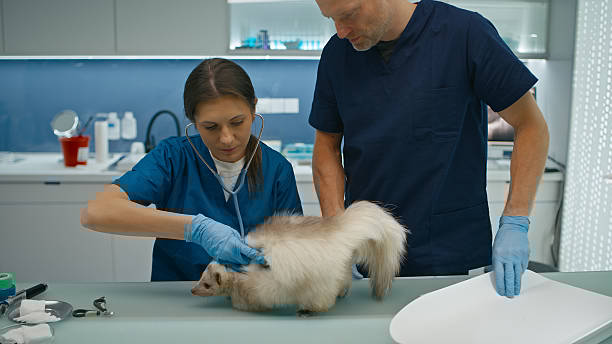

Facing the end of your pet’s life can feel crushing. You want comfort for your animal and clear guidance for yourself. A small animal vet walks with you through this hard passage. You receive honest answers, gentle support, and a plan that respects your pet and your limits. A San Diego veterinarian listens to your fears, explains what to expect, and helps you see when your pet’s pain is no longer bearable. You do not have to guess alone. Instead, you and your vet decide together how to ease symptoms, when to use medicine, and when to choose euthanasia. Each step centers on your pet’s calm, warmth, and safety. You gain space to grieve. You gain time to say goodbye in a way that feels right for you.
Knowing When It May Be Time
It is hard to see your pet’s suffering clearly. Love can blur the picture. A vet helps you look at daily life in a simple way. You can ask three blunt questions.
- Is my pet eating and drinking enough to stay steady
- Can my pet move without strong pain
- Does my pet still show interest in people or play
When the answer is “no” to most questions on most days, your pet may be nearing the end. The American Veterinary Medical Association offers plain guidance on quality of life and euthanasia at this page. You can use that guidance with your vet to judge your pet’s comfort with less fear and less doubt.
What Compassionate End Of Life Care Includes
End of life care is not only the final injection. It is a set of steady steps that aim to protect comfort and dignity. Vets often group this care into three parts.
- Relief of pain and distress
- Support for daily needs
- Planning for euthanasia when needed
Pain relief can include medicine, soft bedding, and help with movement. Support for daily needs can include help with eating, drinking, and grooming. Planning can include choosing the place, time, and people present when your pet dies.
Common Options For End Of Life Care
You face several paths. Each path has its own focus and cost. This table gives a simple comparison.
| Option | Main Focus | Where It Happens | Best For |
|---|---|---|---|
| Palliative care | Reduce pain and distress | Home or clinic | Pets with serious disease who still enjoy parts of life |
| Hospice care | Comfort in final weeks or days | Mainly at home | Pets who are dying but still stable enough for home care |
| Clinic euthanasia | Peaceful, quick death | Vet clinic | Families who want medical support in a familiar clinic space |
| Home euthanasia | Peaceful death in a familiar space | Home | Pets who are anxious in clinics and families who want privacy |
Your vet explains what each choice means for your pet’s comfort and for your family’s needs. You choose what matches your values, your time, and your money.
How Vets Reduce Pain And Distress
Strong pain relief is central. Your vet may use a mix of methods. You can expect three main tools.
- Medicine for pain and nausea
- Changes at home to support weak joints and weak muscles
- Simple changes in food, water, and rest time
The goal is not to cure disease. The goal is to keep your pet as calm and settled as possible. You may notice your pet sleeps more. You may see fewer sharp cries or hiding. Tell your vet if you still see signs of pain. The plan can change quickly.
Planning For Euthanasia
Choosing euthanasia is heavy. It is also an act of deep care. A vet explains each step so you are not caught off guard. You can ask three clear questions.
- What will my pet feel at each step
- How long will the visit take
- What are my choices for remains
You can choose to stay with your pet or step out. You can bring a blanket, a toy, or special treats if your vet agrees. The Cornell University College of Veterinary Medicine offers guidance for grieving families here. That support can help you prepare for the day and the weeks after.
Talking With Children And Other Family Members
Children feel loss in sharp ways. Clear words help. You can say “died” or “dead” instead of soft phrases that confuse, such as “went to sleep.” Share three simple truths.
- Your pet was very sick or very old
- The vet helped so your pet no longer hurts
- The death is not the child’s fault
Invite questions. Say “I feel sad too” so the child knows it is safe to cry. Other adults in the home may grieve in quiet ways. You can share updates from the vet visit so no one feels shut out.
Grieving After The Loss
Grief does not follow a neat path. Some people cry at once. Others feel numb for days. Both are normal. A vet can help by
- Sending a simple summary of what happened
- Offering a paw print, fur clipping, or small memento
- Sharing links to support lines and groups
You can honor your pet with a small ritual. You might plant a tree. You might frame a photo. You might write a letter. These steps give your pain a clear place to rest. They also show children that love does not end with death.
Working With Your Vet As A Team
Strong end of life care depends on honest talk. Tell your vet what you can handle at home. Share your limits. Ask direct questions when you feel unsure. A simple rule can guide you. If your pet’s suffering is rising and joy is falling, it is time for a hard talk with your vet.
You do not need to walk this path alone. With clear facts, kind guidance, and a shared plan, you can give your pet a gentle death and your family a measure of peace.


