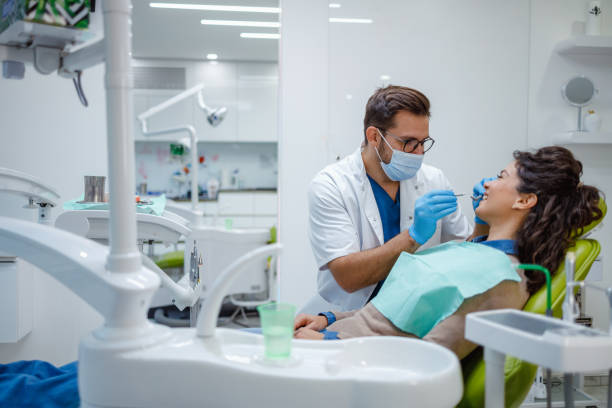

Your mouth affects how you eat, speak, sleep, and connect with other people. General dentistry protects those parts of daily life that you often ignore until pain shows up. Regular checkups catch small problems before they turn into infections or broken teeth. Cleanings remove buildup that brushing and flossing miss. Simple treatments restore teeth so you can chew without fear or shame. Over time, these steps protect your heart, lungs, and blood sugar. They also protect your confidence. When you trust your smile and bite, you show up at work, with family, and in public with less tension. A dentist in Wheaton, IL can guide you through steady care that fits your routine. You learn what to watch for, what to avoid, and when to act. General dentistry does not just fix teeth. It supports your daily comfort, your health, and your sense of control.
How General Dentistry Supports Your Body
Healthy teeth and gums protect the rest of your body. You swallow the bacteria that live in your mouth. Those germs can enter your blood through swollen gums. Then they reach your heart and other organs.
Research links gum disease with heart disease and stroke. The Centers for Disease Control and Prevention explains that ongoing gum infection raises the risk of heart problems. It also connects with diabetes that is hard to control.
General dentistry works like a shield. You get three forms of protection.
- Checkups that find early signs of decay and infection
- Cleanings that remove plaque and tartar near the gumline
- Advice on daily care that keeps germs from building up again
These steps lower the strain on your immune system. They help your body fight other sickness with more strength. They also cut the need for urgent visits and strong medicine.
Daily Comfort While Eating, Speaking, and Sleeping
Every bite of food and every word you speak depends on your teeth, gums, and jaw. When you care for them, simple tasks feel easier. When you ignore them, small tasks feel heavy.
General dentistry helps you
- Chew your food without pain or fear of breaking a tooth
- Speak clearly without whistling or slurring from missing teeth
- Sleep through the night without tooth pain or jaw tension
Damaged or missing teeth change what you eat. You may avoid fresh fruit, vegetables, and meat. Then your body misses key nutrients. The National Institute of Dental and Craniofacial Research notes that untreated decay can lead to weight loss or weight gain. You might eat soft, processed food more often. That pattern harms your health and energy.
When a general dentist repairs teeth early, you keep your normal diet. You chew on both sides of your mouth. You avoid strain on your jaw. As a result, you feel more steady through the day.
Emotional Health and Confidence
Your smile sends a message before you speak. Stained, broken, or missing teeth can cause shame. You may hide your mouth with your hand or avoid photos. Over time, that avoidance wears down your mood.
General dentistry supports your emotional health in three simple ways.
- Cleaner teeth that help you feel more at ease in social moments
- Fresh breath that lowers worry in close conversations
- A stable bite that lets you laugh and talk without fear of a tooth breaking
This confidence affects work, school, and family life. Children who feel safe about their teeth raise their hands more in class. Adults speak up more often in meetings. You show more of your true self when you do not feel trapped by your mouth.
Prevention Versus Emergency Care
Emergency dental visits often start with a small problem that sat too long. A tiny cavity becomes a deep infection. A minor chip becomes a large break. The pain can feel sudden. Yet the cause started months or years before.
Regular general dentistry flips that pattern. You address three questions at each visit.
- What has changed in your mouth since the last visit
- What small problem needs care now
- What habit at home needs adjustment
This rhythm saves time and money. It also saves teeth. Fillings, cleanings, and sealants cost less and hurt less than root canals and extractions.
Prevention Visits Compared With Emergency Visits
| Type of Visit | Typical Reason | Common Treatment | Impact on Daily Life |
|---|---|---|---|
| Routine checkup and cleaning | Planned care every 6 months | Cleaning, exam, small filling if needed | Little to no missed work or school |
| Emergency visit | Severe pain or infection | Root canal, extraction, strong medicine | Time off, sleep loss, stress for family |
| Follow up prevention visit | Check healing and adjust care | Minor polish, bite check, home care review | Return to normal eating and sleep |
When you stay with routine care, you shift from crisis to control. You know what to expect. You plan visits around your life instead of planning your life around pain.
Support for Children, Adults, and Older Adults
Every age group needs a general dentist. The focus changes as your body changes, yet the goal stays the same. Protect comfort, function, and health.
- Children need sealants, fluoride, and guidance on brushing
- Adults need treatment for decay, early gum disease, and grinding
- Older adults need support for dry mouth, tooth wear, and dentures or implants
A general dentist tracks your history over the years. That long view helps spot patterns. For example, night grinding can cause worn teeth and jaw pain. With that pattern known, your dentist can offer a simple night guard. Then you avoid cracked teeth and morning headaches.
Simple Steps You Can Take Today
You can strengthen your everyday life with three clear actions.
- Schedule a checkup if it has been more than six months
- Brush with fluoride toothpaste twice a day and floss once a day
- Limit sugary drinks and snacks between meals
These steps may feel small. They are not. They shape how you eat, speak, sleep, and relate to the people you care about. General dentistry gives you steady support so your mouth stops being a source of fear. It becomes a source of strength.