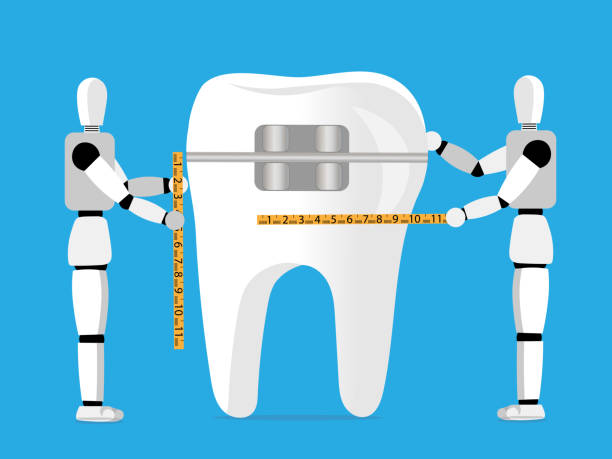

Your smile is personal. Your orthodontic care should be, too. New advances in artificial intelligence and digital tools are changing how you plan treatment, track progress, and see results. Today, you can view a clear preview of your possible smile before braces touch your teeth. You can also send photos from home and get quick feedback. A Whittier orthodontist can now use 3D scans, smart software, and digital models to design a plan that fits your life, not the other way around. This change is not science fiction. It is already shaping daily care in clinics across the country. AI can help spot small changes that the human eye may miss. Digital tools can cut repeat visits, shorten chair time, and reduce stress. This blog explains what these tools can and cannot do, so you know what to expect from your next orthodontic journey.
How AI Changes Your First Orthodontic Visit
In the past, your first visit often meant long exams and sticky molds. Now, many offices use digital scanners and AI tools during that first meeting.
Here is what can happen when you sit in the chair.
- A small wand scans your teeth to create a 3D model.
- Software maps your bite and tooth positions.
- AI compares your scan to thousands of past cases.
The system can suggest likely tooth movement and timing. You still need a trained orthodontist to study the scan and confirm the plan. Yet AI can point out patterns fast and support safer choices.
The National Institute of Dental and Craniofacial Research explains that digital records help track oral health over time. These records give AI tools the data they need to learn and improve.
Planning Treatment That Fits Your Life
Braces and aligners work best when the plan fits your daily routine. AI and digital tools can help in three key ways.
- They predict how long treatment may take.
- They test different options on a digital model of your teeth.
- They help plan where to place brackets or how to shape each aligner.
Some systems can even show how your teeth might move month by month. You can see a clear path from today to your possible future smile. That picture can steady your mind and help you stick with care when life feels heavy.
Checking Progress From Home
Many families struggle with time. Work, school, and child care can turn every visit into a burden. AI tools can ease that strain.
Some offices offer remote check-ins. You take photos of your teeth with your phone. Then an app guides you through a few steps. AI reviews the images and flags anything that looks off. Your orthodontist then checks those alerts.
This mix of home photos, AI review, and expert oversight can help in three ways.
- It can catch problems early, such as a loose wire.
- It can confirm that tooth movement is on track.
- It can reduce visits that you do not need.
Daily life feels less tense when you know you can reach your orthodontic team without always driving across town.
Table: Traditional Visits Compared To AI-Supported Care
| Feature | Traditional Orthodontic Care | AI and Digital Supported Care |
|---|---|---|
| First records | Physical molds and 2D X-rays | 3D scans and digital images |
| Treatment planning | Manual measurements and charts | Software simulations with AI support |
| Progress checks | In person visits only | Mix of in-person visits and remote photo checks |
| Time in the chair | Longer visits for cleaning, photos, and molds | Shorter visits because records are digital |
| Patient role | Follow instructions between visits | Send photos, track reminders, and follow instructions |
| Record storage | Paper charts and film | Secure digital files that are easy to share |
What AI Can Do And What It Cannot Do
AI can scan, measure, and compare. It can find patterns that may take a human many hours to see. It can sort risk levels and support clear decisions.
Yet AI cannot replace human judgment. It cannot feel your fear when you sit in the chair. It cannot weigh family needs, work stress, or money limits. Only your orthodontist can sit with you, listen, and adjust the plan with care.
Think of AI as a strong flashlight. It lights up details. It does not decide where you walk. You and your orthodontist still choose the path.
Safety, Privacy, and Your Rights
Many families worry about who sees their health data. That concern is reasonable. Digital tools must protect your records.
In the United States, the Health Insurance Portability and Accountability Act, or HIPAA, sets rules for how providers handle your data. You can read more about your rights on the U.S. Department of Health and Human Services site.
When you use orthodontic apps, ask three simple questions.
- Who stores my images and scans
- How long will they keep them
- Can I ask to see or delete my data
Clear answers show respect for you and your family.
How To Talk With Your Orthodontist About AI Tools
You do not need technical knowledge to ask sharp questions. You only need to be direct and honest. Here are three questions you can bring to your next visit.
- How do you use AI and digital tools in planning my care
- What changes for me if we use remote monitoring
- How do these tools improve safety and comfort
Your orthodontist should explain each tool in plain language. If a tool does not help your case, you should hear that, too. Clear talk builds trust more than any gadget.
Looking Ahead With Steady Expectations
AI and digital tools in orthodontics are still growing. New software and scanners appear each year. Some will prove helpful. Others will fade.
Here is what you can expect with some confidence.
- More accurate digital models of your teeth.
- More care options that respect your time.
- More need for honest talk about data and privacy.
Your role stays the same. You brush, floss, keep appointments, and speak up when something feels wrong. AI does not change that. It simply gives your orthodontist sharper tools to guide your care.
Your smile is not a test case or a data point. It is part of how you face the world each day. With calm questions and clear choices, you can use AI and digital tools to support that smile with less strain and more control.