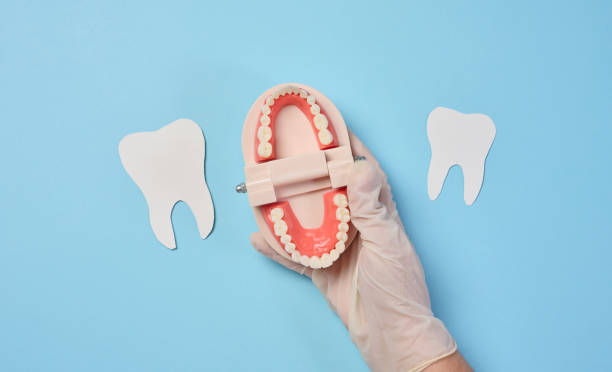

You notice tight jaw muscles, worn teeth, or headaches. You wonder if your bite is off. General dentistry can catch these bite alignment issues before they damage your teeth or joints. Regular cleanings and checkups do more than remove plaque. They give your dentist a clear look at how your teeth meet, how your jaw moves, and how your mouth grows over time. Early signs are often small. A tiny chip. A slight shift. A pattern of grinding. Your dentist reads these clues and acts before small problems grow into painful ones. This is true for every age. It is especially true for children whose jaws and teeth are still changing. Routine visits, such as those at pediatric dental north Attleboro, help guide that growth in a healthy way. You gain early answers, simple treatment, and a stronger bite that supports your daily life.
What “bite alignment” really means
Your bite is how your upper and lower teeth touch when you close your mouth. When that fit is off, even a little, strain builds in your teeth, muscles, and joints.
Common bite patterns include three groups.
- Normal bite. Upper teeth fit slightly over lower teeth. Chewing feels even.
- Overbite or underbite. Upper teeth cover too much or too little of the lower teeth.
- Crossbite or open bite. Some teeth do not meet or meet in the wrong order.
Each pattern changes how you chew, speak, and rest your jaw. Even mild changes can cause damage over time.
Early warning signs your dentist checks
You may miss early signs at home. Your dentist looks for three main groups of clues at every visit.
- Changes in teeth. Chips, cracks, flat edges, or uneven wear on the biting surfaces.
- Changes in gums and bone. Receding gums, loose teeth, or pockets that hint at extra pressure.
- Changes in jaw and muscles. Sore jaw joints, tight face muscles, or clicking when you open wide.
During a routine exam, your dentist also checks how your teeth come together when you bite and slide your jaw. Small patterns repeat. One side may hit first. Front teeth may scrape. These patterns warn of alignment trouble long before pain starts.
Tools general dentists use for early detection
Regular checkups give your dentist a set of tools to track your bite over many years. Each tool adds a piece of the picture.
- Visual exam. Your dentist looks for wear, cracks, and shifted teeth. The dentist checks how your jaw moves when you open and close.
- X rays. Images show tooth roots and jawbone. They reveal bone loss and joint changes that match bite stress. See the American Dental Association guide to dental X-rays for common uses.
- Bite paper. Thin colored paper marks where teeth hit first. The pattern shows if the pressure is even or focused on a few teeth.
- Photos and digital scans. Pictures and 3D scans record how your teeth fit today. Later visits show small shifts that you might not feel.
Together, these tools let your dentist catch alignment problems at the “whisper” stage, not the “shout” stage.
Why children’s visits matter for alignment
Children’s jaws and teeth grow fast. Small guide steps at the right time can prevent large bite problems later.
Your child’s dentist watches three key points.
- How baby teeth are lost, and permanent teeth come in.
- How the upper and lower jaws grow in length and width.
- Habits such as thumb sucking, mouth breathing, or teeth grinding.
The Centers for Disease Control and Prevention urges regular dental visits for children starting with the first tooth. Early care supports healthy teeth. It also guides jaw growth so adult teeth have room and meet in a balanced way.
Common early signs in children and adults
Here is a simple comparison of early bite alignment signs that dentists often see.
| Sign | More common in children | More common in adults | What it can mean |
|---|---|---|---|
| Teeth crowding or gaps | Yes | Yes | Jaws and teeth may not match in size. Bite may shift over time. |
| Thumb or finger sucking | Yes | No | Risk of open bite or flared front teeth. |
| Mouth breathing | Yes | Sometimes | Can change jaw growth and tongue rest position. |
| Grinding or clenching | Sometimes | Yes | Extra wear on teeth and strain on jaw joints. |
| Jaw pain or morning headaches | Sometimes | Yes | Possible jaw joint stress from uneven bite. |
| Chipped or flat front teeth | Sometimes | Yes | Teeth may hit too hard or at the wrong angle. |
How general dentists respond when they find a problem
When your dentist sees early signs, the response is often simple and gentle. The goal is to protect your teeth and ease strain.
Your dentist may suggest three steps.
- Watchful waiting with records. For mild signs, your dentist may suggest more frequent checks, photos, or scans.
- Bite adjustment. Small changes to the biting surfaces of teeth can spread pressure more evenly.
- Supportive devices. Night guards or splints can protect teeth from grinding and relax jaw muscles.
If your bite needs more focused change, your dentist may refer you to an orthodontist. Early referral is a sign of careful care, not a failure to treat.
What you can do between visits
You play a strong role in protecting your bite. Simple daily steps help your dentist catch problems early.
- Notice new pain, clicking, or locking in your jaw.
- Watch for broken, chipped, or loose teeth.
- Pay attention to headaches or ear pain that show up after chewing.
- For children, watch for mouth breathing, snoring, or trouble chewing.
Write down what you notice and share it at your next visit. Your story plus your dentist’s exam gives the clearest picture.
Why early detection protects your future health
Untreated bite problems can lead to cracked teeth, gum disease, and jaw joint pain. They can also make chewing hard and speech less clear. Early detection turns that risk around.
Regular general dentistry visits give you three strong gains.
- Less pain. Problems are treated before they become severe.
- Lower cost. Small fixes often cost less than major repairs.
- Stronger confidence. Eating, speaking, and smiling feel steady and secure.
You do not need to wait for sharp pain to ask about your bite. At your next cleaning, ask your dentist how your teeth meet and whether any early signs of stress are present. Clear answers today can spare you from heavy treatment later and keep your bite steady for years to come.


