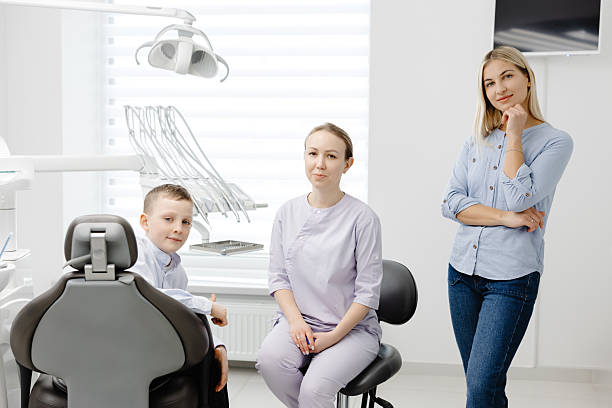

A preventive visit with a family dentist protects your teeth before problems start. You might feel tense or unsure. You are not alone. During this visit, your dentist checks your mouth, cleans your teeth, and talks with you about your daily habits. You can expect simple questions about your health, any pain, and your goals for your smile. Then you get a careful look at your gums, tongue, and cheeks to spot early signs of trouble. Next, a cleaning removes plaque you cannot reach at home. Sometimes the dentist takes X rays to see hidden issues. After that, you talk through the results and get clear steps you can follow. If concerns come up, your family dentist can coordinate care with an emergency dentist in Crest Hill, IL so you stay ready for sudden problems. A preventive visit gives you control and cuts surprise dental pain.
Why Preventive Visits Matter For You And Your Family
You might wait for pain before you call a dentist. That choice can lead to deeper decay, infections, and higher costs. Routine visits stop many of these problems before they grow.
- You catch decay and gum disease early.
- You lower the risk of tooth loss.
- You protect your heart and body health.
The Centers for Disease Control and Prevention explains how untreated cavities can lead to pain, missed school, and trouble eating.
Step 1: Check In And Share Your Health Story
The visit starts at the front desk. You sign in and complete or update forms. These forms ask about:
- Medical conditions like diabetes or heart disease
- Medicines you take
- Allergies
- Past dental work and pain
You may feel tired of paperwork. Still, these details guide safe care. For example, some heart issues need antibiotics before certain dental work. Blood thinner use can change how your gums react during cleaning.
The dental team may check your blood pressure. They may ask about tobacco, alcohol, or sugar drinks. Honest answers help the dentist plan care that fits your life.
Step 2: Exam Of Teeth, Gums, And Mouth
Next, you sit in the dental chair. The dentist or hygienist uses a small mirror and tools to look at every tooth. You hear tooth numbers and short words. The team looks for:
- Soft spots that may mean early decay
- Red or swollen gums
- Loose teeth or broken fillings
- Signs of teeth grinding
The exam is not only about teeth. Your dentist also checks your tongue, cheeks, roof of mouth, and throat. This screening helps catch infections and early signs of mouth cancer. The National Institute of Dental and Craniofacial Research explains more about oral cancer signs.
Step 3: X Rays When Needed
You may need X rays. These pictures reveal decay between teeth, bone loss, and infections near roots. The dentist orders them based on your age, risk, and past findings.
Here is what you can expect.
- You wear a lead apron for protection.
- Small sensors or films go in your mouth.
- You bite down while the machine takes quick images.
Modern dental X rays use low radiation. The benefit of early detection is much higher than the small risk for most people. If you are pregnant or think you might be, tell the team right away.
Step 4: Cleaning That Reaches Where You Cannot
A dental hygienist often performs the cleaning. The goal is to remove plaque and hard tartar from teeth and gums.
The cleaning usually includes three parts.
- Scaling. The hygienist uses hand tools or an ultrasonic scaler to remove tartar above and below the gumline.
- Polishing. A spinning brush and special paste smooth the tooth surfaces.
- Flossing. Your teeth are flossed to clear any remaining debris.
You may feel some scraping or pressure. You should not feel sharp pain. If you do, say something right away. Numbing gel or a short break can help you stay calm.
Step 5: Fluoride And Sealants For Extra Protection
Many offices offer fluoride treatment during preventive visits. Fluoride strengthens tooth enamel and cuts decay risk. It can be a foam, gel, or varnish that stays on teeth for a short time.
Children and some adults may also receive sealants. These are thin coatings placed on the chewing surfaces of back teeth. Sealants block food and germs from hiding in deep grooves.
Step 6: Personal Advice You Can Use At Home
The most helpful part of the visit may be the talk at the end. The dentist reviews what was found and what you can change at home. You might discuss:
- How often and how long you brush
- Which toothpaste and brush to use
- Flossing tools that match your hands and teeth
- Snacks, drinks, and night habits
Good advice is clear and specific. You should leave with simple steps, not confusing terms. Ask questions until you understand what to do next.
How A Preventive Visit Compares To Waiting For Pain
Some people only seek care when something hurts. The table below shows how routine preventive visits compare with emergency visits caused by delay.
| Aspect | Preventive Visit | Emergency Visit After Delay |
|---|---|---|
| Reason for visit | Routine check and cleaning | Severe pain, swelling, or broken tooth |
| Common findings | Early decay, mild gum issues, worn fillings | Deep decay, abscess, cracked or lost tooth |
| Time in chair | Short and planned | Longer and unpredictable |
| Comfort | Low stress | High pain and fear |
| Typical treatment | Cleaning, fluoride, small fillings | Root canal, extraction, or urgent repair |
| Cost | Lower long term | Higher due to complex work |
| Impact on life | Planned visit time | Missed work or school and poor sleep |
How Often You And Your Children Should Go
Most people do best with a preventive visit every six months. Some need more frequent visits if they have:
- Past gum disease
- Many cavities
- Diabetes
- Dry mouth from medicines
- Braces or clear aligners
Children should see a dentist by their first birthday or when the first tooth appears. Early visits build trust and cut fear. You also learn how to clean small teeth and choose snacks that protect enamel.
How To Prepare And What To Bring
You can make your preventive visit smoother with a short checklist.
- Bring a list of medicines and doses.
- Carry dental and medical insurance cards if you have them.
- Write down any questions about pain, habits, or appearance.
- Arrive a few minutes early for forms and updates.
- Brush and floss before you go, but do not skip the visit if you forget.
If you feel strong fear, tell the office when you schedule. They can plan extra time, explain each step, and agree on a hand signal if you need a pause.
Taking The Next Step For Your Mouth Health
A preventive visit with a family dentist is not only a cleaning. It is a full check of your mouth and a chance to reset your daily habits. You gain early warning about problems, clear guidance you can follow at home, and a trusted contact if an urgent issue appears.
You deserve care that is calm, kind, and direct. Regular visits help you keep your teeth, protect your body, and spare your family from sudden dental crises. Scheduling that next preventive visit is a simple step that guards your comfort, your budget, and your peace of mind.