
Key Takeaways
- Eco-friendly features and sustainable materials are more in demand than ever before.
- Remote work trends are changing home design priorities, even in suburban and resort communities.
- Homes with the latest smart technology consistently fetch higher interest and prices.
- Economic dynamics, like mortgage rates and tight housing inventory, are making specific markets increasingly competitive.
- Buyers are factoring climate change risks and insurance costs into their decisions.
- Recent legal changes around real estate commissions are creating a more flexible market for both agents and clients.
The residential real estate market is evolving rapidly, driven by economic pressures, technological shifts, and shifting buyer and seller expectations. Staying informed about the latest industry trends enables individuals to make informed, timely decisions. Today’s market demands more from properties, and understanding these shifts can offer a competitive edge. Trusted local professionals like Sandestin Miramar Beach real estate experts The Agency Northwest Florida Beaches bring essential, up-to-date guidance to both buyers and sellers navigating this dynamic landscape.
From the rising value of eco-friendly homes to the integration of smart technology, and from the influence of remote work to recent legal reforms, the real estate market is shaped by trends that require a fresh approach. Both buyers and sellers must consider not only the price point, but also how homes align with today’s lifestyle preferences and long-term needs. With shifting market conditions and a growing emphasis on customization and resilience, strategic planning has never been more crucial.
Emphasis on Sustainability and Eco-Friendly Features
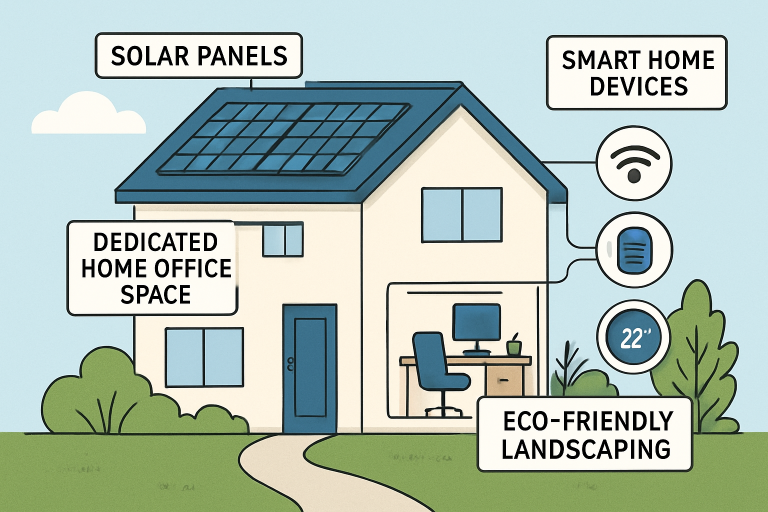
One of the most critical and enduring trends in residential real estate is the growing demand for sustainability. Today’s buyers are increasingly eco-conscious; homes equipped with features like solar panels, high-efficiency HVAC systems, low-flow plumbing, and sustainably sourced materials command both a premium and fast-moving sales. Green building certifications, such as LEED, also add credibility and value, while reducing utility costs and carbon emissions. According to the U.S. Green Building Council, LEED-certified homes are designed to provide clean indoor air, ample natural light, and use safe building materials to ensure comfort and good health. They also help reduce energy and water consumption, thereby lowering monthly utility bills.
Remote Work Influencing Home Design
The global shift to remote and hybrid work models has directly impacted homebuyer preferences. Increasingly, people are prioritizing homes with dedicated office spaces, enhanced internet connectivity, and multifunctional rooms that can accommodate both work and leisure activities. Flexibility and comfort are top priorities. Even as return-to-office discussions continue, many workers still spend a significant amount of time at home. As a result, buyers seek layouts with converted dens, finished basements, or ADUs (Accessory Dwelling Units) that allow for productivity without sacrificing family time or privacy.
Properties that fail to offer adaptable spaces often fall behind, especially in markets where remote work is a permanent reality. Home designers and builders are responding with open-concept floor plans that offer the capacity to segment areas as needed, as explored in Forbes’ coverage of remote work trends and housing.
Integration of Smart Home Technology
Smart home features have moved from luxury add-ons to must-have upgrades. Homebuyers expect options such as automated lighting, advanced thermostats, keyless entry, smart security cameras, and integrated energy management systems. These features increase comfort and security while reducing energy costs. Homes that boast connected device compatibility and easy-to-use smart systems not only appeal to tech-savvy buyers but also signal a future-ready investment. As more buyers seek compatibility with platforms like Amazon Alexa, Google Home, or Apple HomeKit, sellers investing in these upgrades are likely to see improved marketability and potential gains in sale price.
Economic Factors: Mortgage Rates and Housing Inventory
Economic indicators remain central to all real estate activity. As of mid-2025, mortgage rates are averaging around 6.5%, providing relative stability for planning purposes. However, limited housing inventory, particularly in desirable and high-growth areas, keeps competition fierce. This persistent shortage often results in multiple offer scenarios, driving up home prices and requiring buyers to act swiftly. Meanwhile, sellers benefit from shorter listing periods, but they must also be realistic about pricing and making concessions in fast-moving markets.
Adaptation to Climate Change and Insurance Considerations
Concerns about climate change are becoming increasingly evident within the real estate sector, as both buyers and sellers respond to the growing risks posed by extreme weather, wildfires, and flooding. As insurance premiums rise and specific zip codes become higher risk for disasters, resilient properties—those with storm-proof windows, elevated foundations, or fire-retardant landscaping—command higher buyer interest. Real estate agents are now expected to discuss environmental risks and insurance implications as part of the standard buying and selling process; local knowledge is often crucial in navigating this complex landscape.
Legal Reforms Affecting Real Estate Transactions
The legal landscape for real estate professionals has recently shifted due to settlements and regulatory changes that have affected agent commission structures. The National Association of Realtors and other leading organizations have revised rules to enable more transparent and flexible negotiations over real estate fees. This means that buyers and sellers can potentially reduce their transaction costs and have greater flexibility in selecting service models that best fit their needs. These legal reforms are creating momentum for consumer choice and may lead to further innovations in agency-client relationships in the near future, as noted in Reuters’ analysis.
Conclusion
In a marketplace defined by sustainability, flexible design, technological innovation, and regulatory change, those who stay informed are best positioned to succeed. Both buyers and sellers should seek knowledgeable partners, leverage the latest resources, and prioritize adaptability as the trends shaping residential real estate continue to evolve.