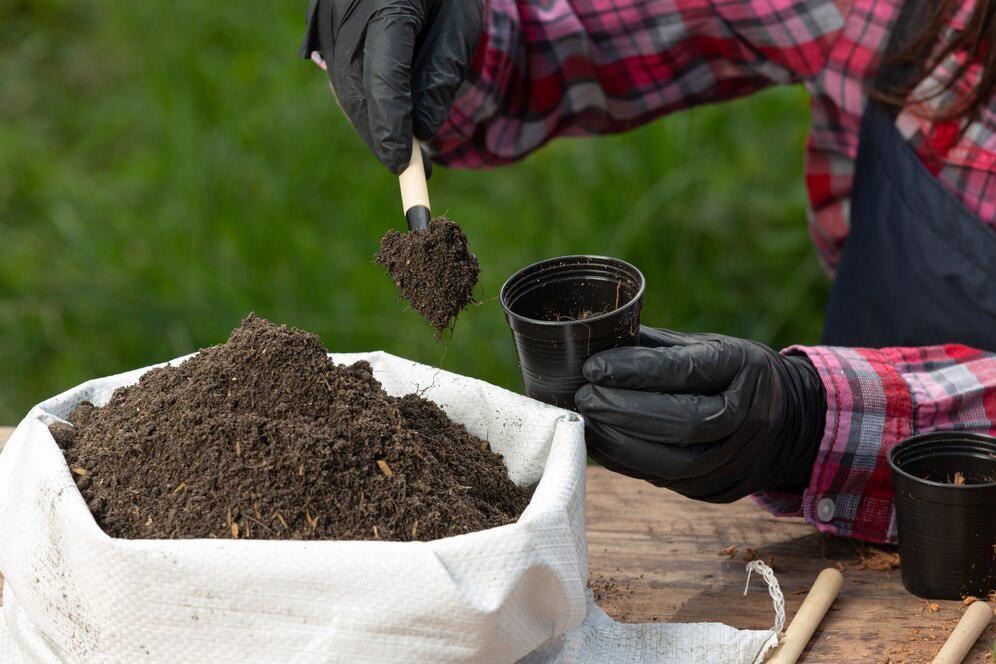

Testing your topsoil is really important for anyone interested in gardening or farming. It helps us understand what’s happening under the surface and can lead to healthier plants and bigger harvests. Knowing nutrient levels like nitrogen, phosphorus, and potassium is vital since many soils lack these essential elements. Checking the pH ensures nutrients are available for plant uptake, while assessing soil structure reveals how well it retains moisture and nutrients. Whether you choose a DIY testing kit or send samples to a lab, regular testing can make a big difference in your gardening success. Start your journey toward better soil health today!
1. Understanding the Importance of Soil Testing
Understanding the importance of soil testing is essential for anyone involved in gardening or farming. Soil is the foundation of plant health, and its quality directly influences growth. By testing your topsoil, you can unlock valuable information about nutrient levels, pH balance, and soil structure. For instance, knowing that your soil is deficient in nitrogen can prompt you to add fertilizers that specifically address this shortfall, leading to more vigorous plant growth.
Testing also helps you understand the pH level of your soil. Most plants thrive in a slightly acidic to neutral range. If your soil is too acidic or alkaline, certain nutrients may become unavailable to plants, stunting their growth. Regular testing allows you to make necessary adjustments to maintain the right pH balance.
Moreover, understanding your soil’s structure, including its texture and organic matter content, can help you manage water retention and drainage. For example, sandy soils drain quickly but may not retain nutrients, while clay soils can hold water but may become compacted. By knowing these characteristics, you can tailor your gardening practices to improve soil health and, ultimately, plant productivity.
2. How to Determine Nutrient Levels in Soil
Determining nutrient levels in your soil is key to understanding its health and how well it can support plant growth. The primary nutrients to look for are nitrogen (N), phosphorus (P), and potassium (K), often referred to as NPK. Nitrogen is vital for leafy growth, phosphorus aids in root development and flowering, while potassium helps with overall plant health and disease resistance. A simple soil test can reveal the current levels of these nutrients.
For instance, if your test shows low nitrogen levels, you might consider adding compost or fertilizer that is high in nitrogen to boost growth. Similarly, if phosphorus is lacking, bone meal or rock phosphate can be effective amendments. Testing kits, available at gardening stores, offer a straightforward way to get these readings at home.
Alternatively, you can send samples to a professional lab for a more comprehensive analysis, which can also include secondary nutrients like calcium and magnesium, as well as micronutrients like iron and zinc. These elements, while needed in smaller quantities, are just as important for plant health. Understanding your soil’s nutrient profile allows you to tailor your gardening practices, ensuring your plants receive the nutrition they need to thrive.
| Nutrient | Importance | Common Deficiencies | Recommended Amendments |
| Nitrogen | Essential for plant growth and leaf development | Deficiency is common in many soils, especially sandy soils | Add compost, manure, or synthetic fertilizers |
| Phosphorus | Crucial for root development and flowering | Deficiency often occurs due to pH levels being too low or high | Apply bone meal, rock phosphate, or superphosphate |
| Potassium | Important for overall plant health and disease resistance | Deficiencies are frequent in sandy soils and highly leached areas | Use potassium sulfate or greensand |
3. Assessing pH Levels for Optimal Plant Growth
PH levels in soil play a crucial role in plant growth, affecting how well plants can absorb nutrients. Most plants prefer a pH range of 6.0 to 7.5, which is slightly acidic to neutral. If your soil is too acidic (below 6.0) or too alkaline (above 7.5), it can lead to nutrient deficiencies and poor plant health. For example, a low pH can limit the availability of essential nutrients like phosphorus, while a high pH can make nutrients like iron less accessible, causing issues like chlorosis in plants. Regular testing of soil pH allows you to make necessary adjustments. If your pH is too low, adding lime can help raise it, while sulfur can lower high pH levels. By maintaining the right pH balance, you ensure that your plants have the best chance to thrive, resulting in healthier growth and better yields.
4. Evaluating Soil Structure and Composition
Evaluating soil structure and composition is key to understanding how your soil functions. Soil structure refers to the arrangement of soil particles and the spaces between them, which affects water movement, root growth, and nutrient accessibility. For instance, well-structured soil often appears crumbly and allows water to drain effectively while retaining enough moisture for plants. In contrast, compacted soil can lead to poor drainage and limited root penetration, stunting plant growth.
Composition, on the other hand, includes the proportions of sand, silt, clay, and organic matter in your soil. A balanced mix typically encourages healthy plant growth. For example, sandy soils drain quickly but may lack nutrients, while clay soils can retain moisture yet may become waterlogged. Testing for organic matter content is also vital; higher levels improve soil health by enhancing nutrient retention and promoting beneficial microbial activity. This knowledge empowers gardeners to make informed decisions, such as adding compost to improve organic matter or adjusting the texture to support specific plants.
5. Exploring DIY Soil Testing Kits
DIY soil testing kits are a fantastic option for gardeners looking to assess their soil without breaking the bank. These kits typically include everything you need to test for pH, nitrogen, phosphorus, and potassium levels right at home. They’re user-friendly, often featuring simple instructions and color-coded charts that help you interpret the results quickly. For instance, if your kit reveals a low pH, you can easily adjust it with lime, which is commonly available at garden stores.
One popular option is the LaMotte Soil Test Kit, which not only tests the basic nutrients but also provides guidance on how to improve your soil based on the results. Another choice is the SoilKit, which is designed for convenience and comes with a smartphone app to track your results over time.
While DIY kits are great for a quick assessment, it’s important to remember that they may not capture every aspect of soil health. For deeper insights, such as organic matter content or micronutrient levels, you might consider pairing your DIY testing with occasional professional services. However, for most home gardeners, a DIY soil testing kit can be an empowering tool that leads to informed decisions and healthier plants.
- Importance of selecting the right kit for your needs
- Overview of popular types of DIY soil testing kits
- Key features to look for in a kit
- Step-by-step instructions for using DIY kits
- Common mistakes to avoid when conducting tests
- Interpreting results from your DIY testing kit
- Cost comparisons between different kits and professional services
6. When to Use Professional Soil Testing Services
There are times when relying on DIY soil testing kits might not provide the depth of information you need. If you’re facing persistent issues with plant health, such as stunted growth or poor yields, it might be a signal to seek professional help. Professional soil testing services can offer detailed analyses that go beyond basic nutrient levels and pH. For instance, they can assess micronutrient levels, cation exchange capacity, and even soil microbiome health. This comprehensive understanding can be crucial for large-scale agricultural operations or specialized gardening, where soil health is vital for success.
Additionally, if you’re planning to make significant changes to your soil management practices, like transitioning to organic farming, consulting with professionals can guide you effectively. They can suggest tailored amendments based on your unique soil profile, helping you to optimize your soil health over time. Remember, a well-informed approach can save you time and resources in the long run.
7. Conducting Field Tests for Large Operations
For large agricultural operations, understanding the variability of soil across different sections of your land is crucial. Conducting field tests can provide insights that are not captured by standard lab tests alone. These tests can include methods like grid sampling or zone sampling, which help identify specific areas that may need more attention or amendments.
Grid sampling involves dividing the field into smaller grids and collecting soil samples from each grid. This method is effective for detecting spatial variability and can help in creating a more tailored nutrient management plan. For example, if one grid shows a deficiency in potassium, you can apply targeted fertilizers just to that area rather than treating the entire field uniformly, saving both time and resources.
Zone sampling, on the other hand, focuses on different management zones within the field based on crop performance or soil characteristics. By identifying zones that consistently perform well or poorly, farmers can optimize inputs like water, fertilizers, and pesticides, leading to healthier crops and reduced waste.
Furthermore, in-field tests can include measuring soil compaction, moisture levels, and even temperature. These factors can greatly influence plant health and yield. If you notice areas of high compaction, for instance, you might consider using cover crops or no-till practices to improve soil structure and water infiltration.
By implementing these field tests, large operations can maximize their efficiency and sustainability, ultimately leading to better crop production and healthier soil.
8. Trends in Sustainable Soil Testing
Sustainable soil testing is gaining traction as farmers and gardeners recognize its importance for both crop yields and environmental health. One major trend is the shift toward organic farming practices that prioritize soil health. By testing soil regularly, farmers can reduce chemical fertilizers and pesticides, leading to healthier ecosystems. For example, instead of relying heavily on synthetic inputs, they can use organic amendments like compost based on test results.
Another trend is the integration of technology in soil testing. Tools like drones and soil sensors allow for real-time monitoring, making it easier to assess soil conditions across large areas. This tech-driven approach helps farmers make timely decisions about irrigation, fertilization, and crop rotation, ultimately improving sustainability.
Additionally, there’s a rising awareness among consumers about the importance of soil health for food quality. People are increasingly interested in where their food comes from, pushing farmers to adopt practices that are environmentally friendly. This trend is supported by initiatives that educate growers on sustainable practices and the benefits of regular soil testing.
9. The Role of Technology in Soil Analysis
Technology is reshaping the way we analyze soil. Advanced tools like digital soil mapping and remote sensing allow for real-time data collection, which helps farmers understand their soil’s characteristics better than ever before. For example, drones equipped with sensors can assess soil moisture levels across large fields, providing insights that were previously difficult to obtain quickly.
Another innovation is the use of mobile apps that can analyze soil samples on-site. These apps often integrate with sensors that measure pH and nutrient levels, giving gardeners and farmers immediate feedback. This speed and accessibility help in making timely decisions regarding soil amendments and planting strategies.
Moreover, machine learning algorithms are being employed to predict soil behavior based on historical data. By analyzing patterns, these systems can offer tailored recommendations for soil management, which can lead to more efficient use of resources.
Overall, the integration of technology in soil analysis not only enhances the precision of testing but also makes it more user-friendly, empowering everyone from home gardeners to large-scale farmers to optimize their soil health.
10. Raising Awareness About Soil Health
Soil health is crucial, yet often overlooked. Many people are unaware that healthy soil is alive with microorganisms that play a vital role in plant growth. For example, beneficial bacteria and fungi help break down organic matter, making nutrients available to plants. Raising awareness about soil health can empower both gardeners and farmers to adopt practices that enhance soil quality. Initiatives like community workshops and educational programs can share the importance of soil testing and sustainable practices. By informing others about the signs of unhealthy soil—such as poor drainage or a lack of earthworms—we can foster a culture that values soil conservation. Additionally, engaging in local soil health campaigns can help connect community members, promoting collective action towards healthier ecosystems.
Frequently Asked Questions
1. Why is testing top soil important for my garden?
Testing your top soil is key because it tells you what nutrients are there and if the soil is healthy for plants. This helps you know how to grow better plants.
2. How do I collect a soil sample for testing?
To collect a soil sample, you need to dig a small hole about 6 inches deep, take some soil from the side, and mix samples from different spots for a more accurate result.
3. What do I look for in the soil test results?
In the soil test results, pay attention to nutrient levels like nitrogen, phosphorus, and potassium, as well as the pH level, which shows how acidic or alkaline your soil is.
4. Can I test my soil at home, or should I send it to a lab?
You can test your soil at home with DIY kits, but sending it to a lab often gives you more detailed and accurate results.
5. How often should I test my soil?
It’s a good idea to test your soil at least once every few years, or more often if you’re changing what you’re planting or if you’ve added fertilizers.
TL;DR Testing your top soil is crucial for the health of your plants and the success of your gardening or farming efforts. It helps determine nutrient levels, assess pH balance, and evaluate soil structure. You can choose between DIY testing kits for a quick analysis or professional services for in-depth results. Current trends emphasize sustainability and technology in soil testing, promoting awareness of soil health. Regular soil testing leads to better yields and improved environmental practices. Start today by visiting a garden center or contacting a soil testing service.