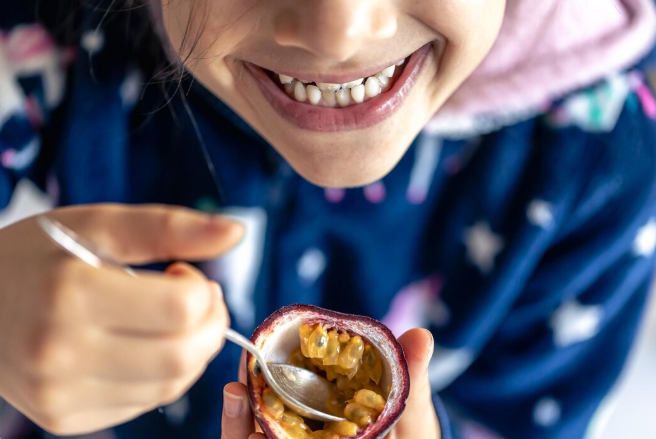

You might be doing what so many parents do, reaching for the fastest snack that will stop the whining, fill a lunchbox, or get you through the ride home without a meltdown. Then comes the other side of it, the dental visit, the surprise cavity, or the quiet worry that the foods your child loves may be hurting their smile, which is why many families turn to a children’s dentist in Los Angeles for guidance. If that sounds familiar, you are not overreacting. Snacks matter, and small changes can do a lot to lower the risk of tooth decay. The good news is that protecting your child’s teeth does not have to mean banning every fun food. Often, it comes down to choosing smarter swaps that cut back on added sugar, sticky textures, and frequent acid exposure.
That matters because cavities do not appear all at once. According to the tooth decay process explained by the National Institute of Dental and Craniofacial Research, bacteria in the mouth feed on sugars and create acids that weaken tooth enamel over time. When snacking happens often, teeth get less time to recover. So, where does that leave you when your child is hungry every two hours?
Why do everyday snacks cause so many dental problems for kids?
The hard part is that many snacks marketed for children seem harmless. Fruit gummies, crackers, flavored yogurt, juice drinks, and chewy bars often sound better than candy, yet they can still coat teeth with sugar or starch. Some cling to the grooves of back teeth, and others bathe the mouth in acid. Even snacks that look healthy can become a problem if they are eaten often or sipped slowly.
Research also shows this is not a small issue. The CDC has highlighted patterns in children’s oral health and cavity risk, and one clear theme is that daily habits shape outcomes. In real life, that means the after school snack, the sports drink during practice, and the pouch handed over in the stroller can all add up.
Because of this tension, you might wonder if every snack needs to be perfect. It does not. What helps most is replacing the highest risk choices with options that are easier on teeth, while keeping snacks satisfying enough that your child will actually eat them.
Which 6 snack swaps can help protect your child’s smile?
1. Swap fruit gummies for fresh fruit and cheese. Gummies stick to teeth and keep sugar in contact with enamel for a long time. Fresh apple slices, strawberries, or pear paired with cheese give your child sweetness, fiber, and a food that can help balance acids in the mouth.
2. Swap crackers for cucumber slices and hummus. Crackers break down into starches that feed cavity causing bacteria. Crunchy vegetables do not cling the same way, and hummus adds protein that helps a snack feel filling.
3. Swap juice boxes for water or plain milk. Even 100 percent juice contains natural sugars and can expose teeth to acid. The CDC guidance on foods and drinks to avoid or limit for young children encourages limiting sugary drinks, and that is a smart move for teeth too.
4. Swap sticky granola bars for nuts or seeds, if age appropriate. Many bars act like candy in disguise. For older children who can safely chew them, nuts and seeds offer crunch and protein without the sticky residue.
5. Swap fruit snacks for plain yogurt with berries. Fruit snacks tend to be concentrated sugar. Plain yogurt, especially with fresh berries, is less likely to cling to teeth and often has less sugar than flavored versions.
6. Swap hard candy or lollipops for a quick treat eaten with a meal. If your child wants something sweet, serving it right after a meal is usually better than offering it alone as a long snack. More saliva is present during meals, which helps wash away food and acids.
What snack choices are better for teeth, and which ones raise the most risk?
Sometimes seeing the pattern side by side makes it easier to plan ahead. This is where tooth-friendly snacks for kids can feel less confusing.
| Higher Risk Snack | Why It Can Harm Teeth | Better Swap | Why It Helps |
|---|---|---|---|
| Fruit gummies | Sticky, sugary, stays on teeth | Fresh fruit with cheese | Less cling, more balance |
| Juice box | Sugar and acid exposure | Water or plain milk | Supports hydration without constant sugar |
| Chewy granola bar | Often high in sugar and sticks in grooves | Nuts, seeds, or cheese cubes | Protein rich and less sticky |
| Crackers | Starchy residue feeds bacteria | Veggies and hummus | Crunchy and easier on enamel |
| Flavored yogurt | Can contain a lot of added sugar | Plain yogurt with berries | Lower sugar with familiar flavor |
What if your child is picky, or already attached to certain snacks? Start small. If they love gummies, keep fruit in the same lunchbox spot every day and offer cheese on the side. If they ask for juice, begin by watering it down, then move toward water at snack time. You are not trying to create a perfect eater. You are building a pattern that protects their teeth over time.
What can you do today to make kids dental health nutrition easier?
1. Build one default snack list. Pick five easy options your family can repeat without stress. Think cheese sticks, apple slices, plain yogurt, cucumbers, hummus, or hard boiled eggs. When the plan is already made, you are less likely to grab the most convenient sugary choice.
2. Watch timing, not just ingredients. A snack that is eaten in ten minutes is usually better for teeth than one that is nibbled over an hour. Try to keep snacks and drinks on a schedule so your child’s teeth get breaks between exposures.
3. Pair food changes with pediatric dentist visits. Home habits matter, and so does professional guidance. A pediatric dentist can spot early enamel changes, talk through age specific risks, and help you choose the best healthy snack swaps for children’s teeth based on your child’s routine.
How do small snack swaps lead to healthier teeth over time?
If you have been feeling guilty about snack choices, take a breath. Most families are juggling convenience, cost, picky eating, and busy schedules all at once. The goal is not to get every bite right. The goal is to lower the number of sticky, sugary, acidic moments your child’s teeth face each day. That is where these six swaps can make a real difference.
With a few steady changes, you can support a stronger smile, fewer cavity risks, and better habits that last beyond childhood. If you want more tailored guidance, schedule a visit with a pediatric dentist and ask which snack patterns may be affecting your child’s teeth most.


