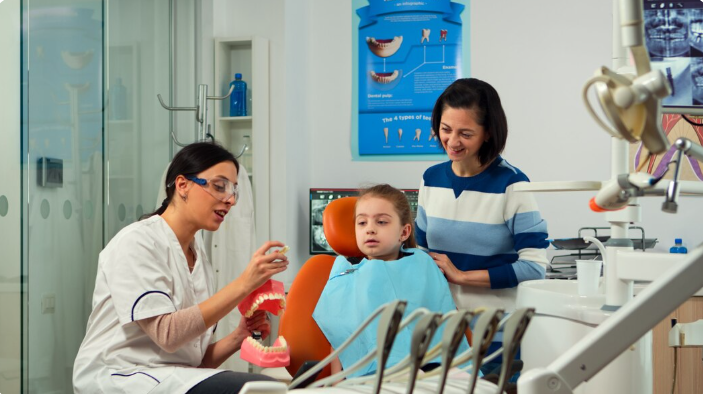

Your child’s mouth tells a story long before you notice a cavity or pain. Preventive care stops quite a lot of damage early. It protects teeth, gums and provides daily comfort. It also protects speech, learning, and sleep. You want clear steps, not guesswork. This blog explains 5 preventive services that protect children’s oral health from the start. You will see how simple visits, cleanings, and treatments block decay, keep infections away, and lower dental costs later. You will also learn when to schedule each service and what to ask during appointments. If you already see a dentist in Silver Spring, MD, you can use these points at your child’s next visit. If you do not, these same services still guide your choices. Your child deserves a steady mouth, steady energy, and steady confidence. Smart prevention gives that protection before problems grow.
1. Regular checkups and cleanings
Routine visits start early. The American Academy of Pediatrics recommends a first dental visit by age 1. Early visits help you catch decay, gum problems, and bite issues before they spread.
During a checkup, the dentist:
- Looks for early white spots that signal weak enamel
- Checks gums for swelling or bleeding
- Reviews brushing and flossing
During a cleaning, the team:
- Removes plaque and tartar that brushing leaves behind
- Polishes teeth to slow plaque buildup
- Wipes away stain from food and drink
These visits also give you time to ask about thumb sucking, mouth breathing, or grinding. Calm, steady visits build trust. That trust lowers fear and helps your child accept care when treatment is needed.
2. Fluoride treatments
Fluoride is a natural mineral. It hardens the outer layer of teeth. It also helps repair early damage before a hole forms.
During an office visit, the dentist may place fluoride as:
- Foam
- Gel
- Varnish painted on teeth
Each method coats the teeth. The fluoride soaks into the enamel and makes it stronger against acid from food and bacteria.
You can read clear guidance on fluoride from the Centers for Disease Control and Prevention at https://www.cdc.gov/fluoridation/index.html.
Ask the dentist how often your child needs fluoride. Many children need it every 3, 6, or 12 months. That timing depends on cavity risk, diet, and water source. When used in the right amount, fluoride is safe and very effective for children.
3. Dental sealants
Sealants are thin coatings placed on the chewing surfaces of back teeth. These teeth have deep grooves that trap food. Even strong brushing misses these spots. Sealants cover the grooves so food and germs cannot sit inside.
The process is simple:
- The tooth surface is cleaned
- The surface is treated so the sealant sticks well
- The liquid sealant is painted on
- A light hardens it within seconds
Sealants are most useful soon after the first and second permanent molars come in. That often happens around ages 6 and 12.
4. X‑rays and early problem spotting
Some problems hide between teeth or under the gums. X‑rays help the dentist see:
- Early cavities between teeth
- Extra or missing teeth
- Infection near roots
- How adult teeth are growing in
The dentist uses the lowest radiation needed and shields your child. X‑rays are not done at every visit. The timing depends on your child’s cavity risk and growth. Early spotting means smaller fillings and fewer urgent visits. It also lowers the chance of pain that wakes your child at night.
5. Counseling on diet and daily habits
Teeth do not get sick on their own. Food, drinks, and habits matter. Clear coaching during visits can change daily choices in your home.
Key topics to discuss:
- How often your child eats snacks
- Use of juice, sports drinks, and soda
- Nighttime bottles or sippy cups
- Brushing and flossing routines
You can also ask about:
- Using fluoride toothpaste
- Helping a child who refuses brushing
- Steps for children with braces
Clear rules at home protect teeth. Limit sugary drinks. Offer water between meals. Keep sweets close to mealtime, not all day.
How these services compare
| Service | Main goal | Usual start age | Typical frequency |
|---|---|---|---|
| Checkups and cleanings | Find and remove early problems | Around age 1 | Every 6 months |
| Fluoride treatments | Strengthen enamel | When first teeth appear | Every 3 to 12 months |
| Dental sealants | Block decay in back teeth | When permanent molars appear | Every few years as needed |
| X‑rays | Spot hidden problems | As advised by dentist | Every 1 to 2 years or as needed |
| Diet and habit counseling | Guide daily choices | At first visit | At every visit |
Questions to ask at your child’s next visit
Arrive with three clear questions:
- What is my child’s cavity risk right now
- Which preventive services does my child need this year
- What should change at home between now and the next visit
Also ask how to handle pain or trauma if it happens at school or during sports. Request written steps so you can post them on your fridge.
Taking the next step
Every small choice adds up. Regular visits, fluoride, sealants, smart X‑rays, and strong daily habits work together. They protect your child’s smile, sleep, and school days. They also protect your own time and budget.
If you already have a trusted dentist, share this list and ask where to start. If you are still looking, choose a practice that welcomes questions, explains each service in plain language, and respects your child’s pace. Steady prevention today guards your child from painful problems later.