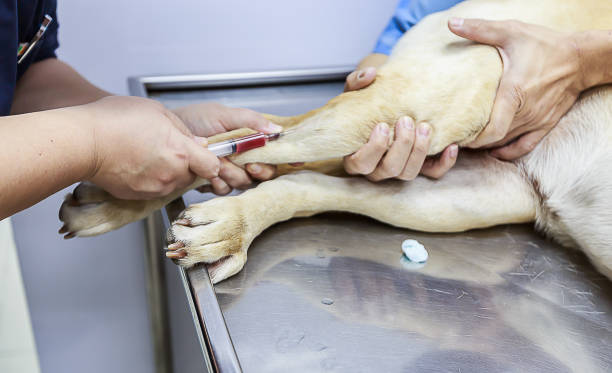

Routine bloodwork protects your pet in ways you often cannot see. It shows what is happening inside the body before problems turn into emergencies. A South Corpus Christi veterinarian uses these tests to spot early disease, track changes, and guide treatment with clear facts. You gain answers instead of guesswork. You also gain time to act before small issues grow. Routine tests check organs, blood cells, and infections. They help your pet before surgery, during long-term medicine, and as your pet ages. Regular bloodwork also builds a record of your pet’s normal values. Then sudden changes stand out fast. That record supports better choices, shorter hospital stays, and fewer painful surprises. You stay informed. Your pet stays safer. The next sections explain five specific benefits so you can decide when to schedule your pet’s next blood test with confidence.
1. Early detection of hidden disease
Most pets hide pain. They keep eating. They keep playing. You may notice nothing until the disease is advanced. Routine bloodwork gives you an early warning.
Common silent problems include:
- Kidney disease
- Liver disease
- Diabetes
- Thyroid problems
- Infections
These conditions often start with small changes in blood values. You cannot see those changes at home. Routine tests catch them when treatment is simple and less harsh. You avoid sudden crises that cause fear, cost, and loss.
The U.S. Food and Drug Administration explains that blood tests help find disease at an earlier stage when treatment can work better. You give your pet that chance when you choose regular screening.
2. Safer anesthesia and surgery
Any surgery carries risk. Even a routine spay, neuter, or dental cleaning puts strain on the body. Bloodwork before anesthesia helps your veterinarian plan safer care for your pet.
Pre-anesthetic blood tests can:
- Check kidney and liver function before medicine
- Reveal anemia or clotting problems
- Show signs of infection or dehydration
If results look abnormal, your veterinarian can adjust anesthesia, give fluids, delay the procedure, or choose a different plan. You lower the chance of complications on the day of surgery. You also help your pet recover with less stress on the body.
3. Better long-term medicine and monitoring
Many pets need long-term medicine for pain, allergies, heart disease, seizures, or arthritis. These medicines often pass through the liver and kidneys. Routine bloodwork shows how those organs handle the drug.
Regular tests can:
- Confirm the dose is safe
- Show early strain on organs
- Guide changes in medicine or diet
The Merck Veterinary Manual notes that lab tests allow veterinarians to monitor organ health and adjust treatments over time. You avoid slow, silent damage that builds when medicine is not checked.
4. Tracking changes as your pet ages
Puppies, kittens, adult pets, and senior pets all have different needs. Routine bloodwork at each life stage builds a clear story of your pet’s health.
Age-based testing often looks like this:
| Life stage | Typical frequency | Main goals |
|---|---|---|
| Puppy or kitten | Once during vaccines | Check for infections and birth defects |
| Healthy adult | Every 12 months | Find early disease and set baselines |
| Senior pet | Every 6 months | Track organ function and chronic disease |
These are general examples. Your veterinarian may suggest a different schedule based on breed, weight, or past illnesses. The goal is simple. You want to catch change early and respond fast.
5. Clearer answers during sudden illness
When your pet suddenly vomits, stops eating, or seems weak, fear hits hard. Routine bloodwork in the past gives your veterinarian a strong starting point in that moment.
With a history of normal values, your veterinarian can:
- Compare current results to past results
- See how fast the problem developed
- Rule out some causes right away
This can shorten the time to diagnosis. It can also focus treatment on what your pet truly needs. You avoid random tests and guesswork. You gain clear steps and a plan that fits your pet.
What routine bloodwork usually includes
Routine bloodwork often includes three main parts. Each part answers a different set of questions.
| Test type | What it checks | Common problems found |
|---|---|---|
| Complete Blood Count (CBC) | Red cells, white cells, platelets | Anemia, infection, clotting problems |
| Chemistry panel | Kidneys, liver, blood sugar, electrolytes | Kidney disease, liver disease, diabetes |
| Thyroid and other special tests | Hormones and specific concerns | Thyroid disease, some endocrine problems |
Your veterinarian may add tests based on your pet’s age, breed, or symptoms. The key is that each test answers a clear question.
How often you should schedule bloodwork
Your pet’s plan should fit your pet. Still, three simple rules help many families start.
- Healthy young pets. Test at least once a year.
- Senior pets or pets on long-term medicine. Test every six months or as directed.
- Sick pets. Test when illness appears and again to recheck the response to care.
If you feel unsure, ask at your next visit. Share your concerns and your budget. Your veterinarian can explain which tests are most urgent and which can wait. You stay in control while still protecting your pet.
Taking the next step for your pet
Routine bloodwork is not extra. It is basic care that shields your pet from hidden harm. You gain early warning, safer surgery, safer medicine, better aging, and faster answers during illness.
At your pet’s next checkup, ask three direct questions.
- What blood tests do you recommend for my pet today?
- How often should we repeat them
- What changes would make you worry between visits
Those questions open a clear, honest talk. You and your veterinarian can build a plan that honors your pet’s life and your family’s needs. You cannot stop every disease. You can reduce surprise, fear, and regret with simple, routine bloodwork at your animal hospital.