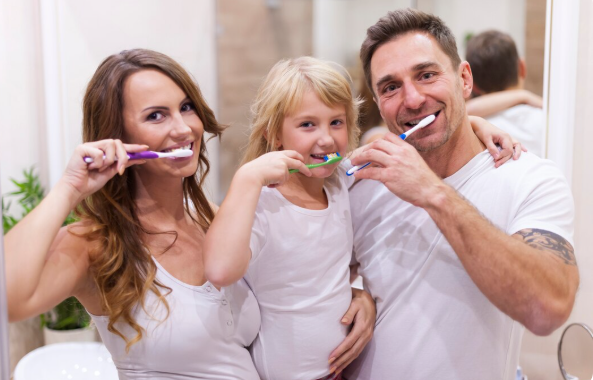

Healthy teeth protect more than your smile. They protect how you eat, speak, and feel every day. When you keep up with preventive dental care, you spare your family from painful problems, rushed visits, and high bills later on. Regular cleanings, checkups, and simple home habits stop small issues before they grow into infections or tooth loss. That care also supports bigger treatment choices, including implant supported dentures in Northeast Philadelphia when needed. You gain steady comfort. You keep your natural teeth longer. You teach your children that their mouths matter. Preventive care also supports people with diabetes, heart disease, and pregnancy, since mouth problems can strain the whole body. This blog explains five clear benefits that help you protect your family, plan ahead, and feel calm when you sit in the dental chair.
1. You prevent cavities and gum disease early
Tooth decay and gum disease start small. Plaque builds up. Gums bleed. A tiny soft spot forms in the enamel. You might not feel pain yet. Regular checkups and cleanings find these early warning signs and stop them before they turn into deep decay or an abscess.
During a preventive visit, the dental team can:
- Clean away plaque and hardened tartar that brushing misses
- Check for weak spots in enamel and early gum swelling
- Use fluoride and sealants to protect teeth
According to the Centers for Disease Control and Prevention, tooth decay is one of the most common chronic problems in children. Yet it is mostly preventable. When you keep a routine schedule, you lower your child’s risk of pain, missed school days, and urgent visits.
2. You lower long-term health risks
Your mouth connects to the rest of your body. Infection in the gums can enter the blood and strain the heart and other organs. Ongoing gum problems are also linked to poor blood sugar control in people with diabetes.
Preventive dental care helps your medical care team manage other conditions. The dentist can:
- Watch for gum changes that may affect diabetes control
- Spot signs of dry mouth from medicines
- Check for early signs of oral cancer
The National Institute of Dental and Craniofacial Research explains that gum disease connects with heart disease and other serious problems. When you treat plaque and gum swelling early, you protect more than teeth. You protect the heart, lungs, and immune system.
3. You save money and avoid emergency visits
Dental emergencies often start as small, quiet problems. A skipped cleaning can turn into a cracked tooth or infection that needs a root canal or extraction. Those treatments cost more and take more time.
Preventive care helps you:
- Avoid late-night trips for sudden tooth pain
- Plan treatment during normal hours
- Use insurance benefits for cleanings instead of large repairs
Even when you pay out of pocket, two checkups a year often cost less than one major emergency visit. You also avoid missed work hours and school days. That protects your family’s income and daily routine.
4. You build strong habits for your children
Children watch what adults do. When they see you brush, floss, and keep dental visits, they learn that mouth care is normal. That message carries into their teen years and adult life.
With regular preventive visits, your child can:
- Learn the right way to brush and floss
- Feel safe and calm in the dental chair
- Ask questions about food, drinks, and sports safety
Early positive visits reduce fear. They also help the dentist track how teeth grow and how the bite lines up. Then the dentist can suggest simple steps such as fluoride, sealants, or a mouthguard for sports before problems grow.
5. You keep more teeth and comfort as you age
Many people think tooth loss is a natural part of aging. That belief is false. With steady preventive care, many adults keep most or all of their natural teeth for life.
As you age, regular visits help you:
- Protect existing teeth from wear and decay
- Manage dry mouth from medicines
- Plan for future needs such as crowns, partials, or implants
When you keep your teeth and gums healthy, eating stays comfortable. Speech stays clear. Social time feels easier. If you do need replacement teeth later, a healthy mouth makes options like implants or dentures fit better and last longer.
Simple habits that boost preventive care
Daily habits at home work with dental visits. Together, they create strong protection for your family.
- Brush teeth twice a day with fluoride toothpaste
- Floss once a day to clean between teeth
- Limit sugary drinks and snacks
- Use a mouthguard for contact sports
- Do not smoke or vape
These steps look small. Over the years, they have prevented many cavities and gum problems. They also teach children that their choices matter.
How preventive care compares to reactive care
The table below shows key differences between staying ahead of problems and waiting until something hurts.
| Type of care | Typical visit reason | Common treatments | Average cost impact | Stress level for families |
|---|---|---|---|---|
| Preventive care | Routine checkup every 6 to 12 months | Cleaning, exam, X rays, fluoride, sealants | Lower and steady over time | Lower. Visits feel planned and calm |
| Reactive care | Pain, swelling, broken tooth, infection | Fillings, root canals, extractions, crowns | Higher and sudden | Higher. Visits feel urgent and tense |
Take the next small step
You do not need a perfect routine. You only need the next step. Call your family dentist. Set checkups for every person in your home. Then choose one home habit to improve this week. That one choice can spare your family from pain, protect your budget, and keep every smile steady for years to come.