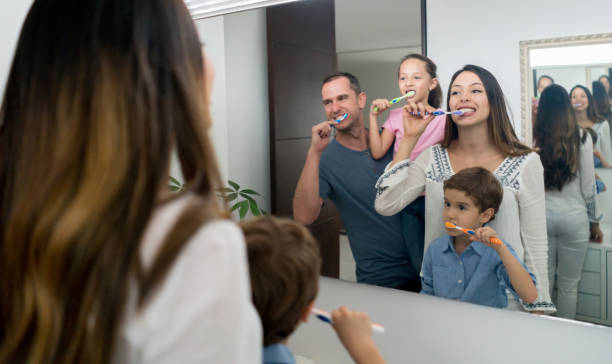

Healthy teeth start with small daily choices. You brush, you floss, and you try to keep your kids on track. Then life happens. Schedules slip. Snacks win. A trusted family dentist helps you reset. A dentist in Artesia can guide your family with simple treatments that support those habits at home. Routine cleanings remove stubborn buildup that your toothbrush misses. Fluoride treatments strengthen weak spots before they turn into painful cavities. Dental sealants protect chewing surfaces where food hides. Gentle checkups teach your child what is happening in their mouth so they feel less fear and more control. Each visit builds trust, routine, and clear expectations. You learn what to watch for and when to act. Your child sees dental care as normal, not scary. Over time, these four treatments shape habits that protect smiles and reduce emergencies.
1. Routine Cleanings: A Reset Every Six Months
Home care matters. You still need professional cleanings. Plaque hardens into tartar. Only a dental team can remove it. You cannot scrub it away at home.
During a cleaning, the hygienist:
- Removes tartar and plaque from tooth surfaces
- Polishes teeth so they feel smooth and clean
- Reviews brushing and flossing with you and your child
That visit does more than clean teeth. It sets a rhythm. Every six months, your family checks in. You see what is working. You fix what is not.
The Centers for Disease Control and Prevention reports that cavities remain common in children. Regular cleanings cut that risk. They also catch early signs of gum problems and grinding.
For your child, each cleaning teaches three habits.
- Show up on time
- Listen to instructions
- Care for teeth between visits
Those habits grow into long-term respect for health.
2. Fluoride Treatments: Extra Protection for Growing Teeth
Fluoride is a natural mineral. It makes tooth enamel stronger. It helps repair early damage before a cavity forms.
During a fluoride treatment, the dentist or hygienist:
- Dries your child’s teeth
- Applies a fluoride varnish, gel, or foam
- Gives simple rules about eating or drinking after
The process takes a few minutes. It causes no pain. It gives months of support to the enamel.
The National Institute of Dental and Craniofacial Research explains that fluoride helps prevent tooth decay in both children and adults. That protection is strongest when you combine three things.
- Fluoride in toothpaste
- Fluoride in drinking water if available
- Professional fluoride treatments as advised
For habits, fluoride visits create a simple pattern. Your child learns that small, quick steps can prevent bigger problems. You learn to plan care before pain starts.
3. Dental Sealants: Shields for Back Teeth
Back teeth have deep grooves. Food and germs hide there. Even careful brushing can miss those spots. Sealants act like shields over those chewing surfaces.
Placement usually follows this pattern.
- The tooth is cleaned and dried
- A gentle gel prepares the surface
- The sealant material is painted on
- A light hardens the material
Sealants work best soon after back teeth come in. That includes first and second permanent molars. These years matter for habit building. Your child is old enough to understand cause and effect. You can talk about how food, brushing, and sealants all work together.
Sealants do not replace brushing. They support it. You still need twice daily brushing, flossing, and healthy snacks.
4. Regular Checkups: Coaching, Not Just Fixing
Checkups often happen at the same visit as cleanings. They still deserve their own place in your routine. The exam is the time when the dentist studies the whole mouth.
A standard checkup can include:
- Review of medical and dental history
- Visual exam of teeth, gums, tongue, and cheeks
- X-rays, when needed, to see between teeth or under fillings
- Bite check to see how teeth meet
These visits give space for questions. You can ask about thumb sucking, mouth breathing, sports guards, or grinding at night. Your child can share fears or pain.
Each checkup is a coaching session. You leave with clear steps. Your child hears the same message from you and the dentist. That unity builds strong habits.
How These Treatments Work Together
These four treatments are simple. Together they form a strong base. They prevent problems. They guide daily choices. They also limit fear, cost, and missed school days.
| Treatment | Main Purpose | How Often | Key Habit It Supports |
|---|---|---|---|
| Routine cleanings | Remove tartar and plaque | Every 6 months for most families | Showing up on a schedule |
| Fluoride treatments | Strengthen enamel and stop early decay | Every 3 to 12 months as advised | Preventing problems early |
| Dental sealants | Protect chewing surfaces of back teeth | Once, with checks at each visit | Respect for new permanent teeth |
| Regular checkups | Find problems and guide growth | Every 6 months or as directed | Asking questions and seeking help |
Turning Dental Visits Into Lifelong Habits
Healthy habits grow through repetition and clear messages. You can strengthen that at home with three simple steps.
- Set a family brushing time in the morning and at night
- Use a calendar or phone reminder for six-month visits
- Praise effort, not perfection
You send a strong signal when you keep your own appointments. Your child watches you sit in the chair, answer questions, and care for your teeth. That quiet example carries weight.
Over time, these four treatments do more than protect enamel. They shape how your family responds to stress, pain, and change. You move from crisis care to steady, planned care. You replace fear with knowledge. You give your child a sense of control over their own body.
You do not need to fix everything at once. You only need the next visit on the calendar and a clear plan with your dental team. That steady approach protects smiles and supports strong habits for years.